Skip to content
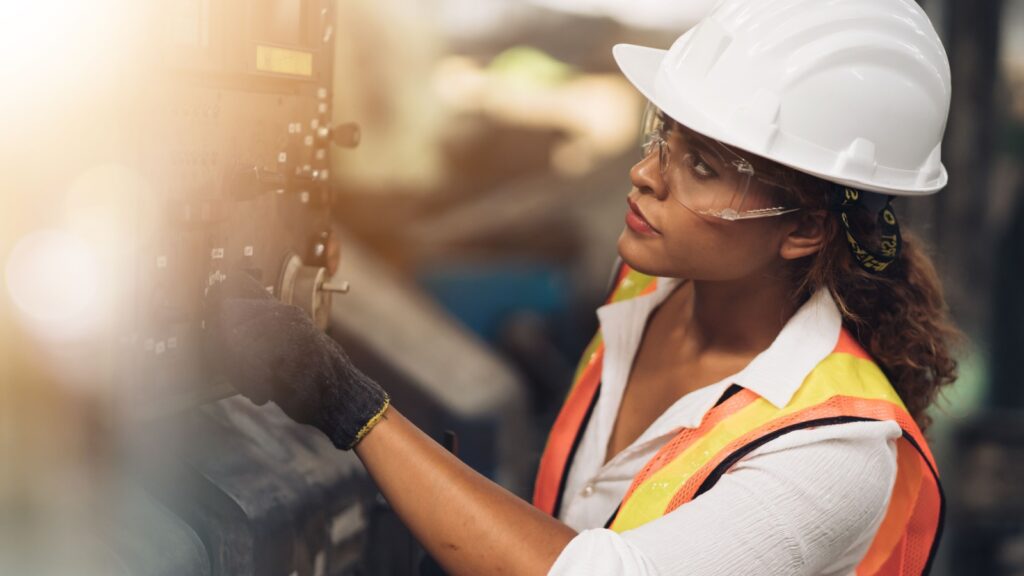

The number of women in construction has risen for 10 consecutive years. Between 2016 and 2025, the total grew from 939,000 to 1.36 million.
The construction industry has long grappled with a persistent workforce shortage, one that shows no sign of easing. Against this backdrop, the steady rise of women in construction represents not just a social milestone, but a strategic workforce imperative.
A new report from Fixr.com analyzed the latest data from the U.S. Bureau of Labor Statistics alongside insights from 12 women currently leading, building and owning in the industry.
A DECADE OF CONSISTENT GROWTH
The number of women in construction has risen for 10 consecutive years. Between 2016 and 2025, the total grew from 939,000 to 1.36 million—a 45% increase. In 2025 alone, 22,000 additional women entered the industry, bringing the female share of the construction workforce to 11.3%.
THE MOST FEMALE-REPRESENTED ROLES
The distribution of women across occupational categories is shifting. Management, professional and related occupations remain the largest segment, employing 506,000 women, or 37% of the female construction workforce. Sales and office occupations follow closely, with 498,000 or 36% of total women working in the industry. Notably, women hold 66% of positions in that category in general, making it the only sector where they represent the majority.

GROWTH OF FEMALE WORKFORCE
The most striking growth is in field and technical roles. Service occupations surged 47% year over year, with women now accounting for 38% of that workforce. Production, transportation and material moving saw a 27% jump after stagnating in 2024. These gains suggest that the pipeline into the trades, long the most male-dominated sector, is beginning to move.
Management roles, however, dipped 3% in 2025. Several experts suggest this may reflect a shift toward specialized technical roles or business ownership, rather than a retreat from leadership, a sign that women’s ambitions in the industry are evolving, not contracting.

OPPORTUNITIES FOR WOMEN IN CONSTRUCTION
Workforce shortages have created a more welcoming environment for women entering the trades. Skilled labor demand is high across welding, electrical, plumbing, HVAC and carpentry—trades that have been (and still are) traditionally male-dominated. The labor gap has accelerated the business case for inclusion.
The digital transformation of the industry has opened another set of doors. Roles in technology integration, data analysis, sustainability leadership and AI-assisted project management are expanding rapidly—and these positions are not defined by physical strength or decades of site experience. For women entering the industry through estimating, project management or design consulting, this shift levels the playing field considerably.
Business ownership is also emerging as a major pathway. Access to capital, business education and industry networks has improved, and women are stepping into CEO, COO, CFO and VP roles at an accelerating pace. Experts note that entrepreneurship is now a realistic and increasingly common trajectory for women in construction—not the exception it once was.
BARRIERS FOR WOMEN IN CONSTRUCTION
The Fixr.com report reveals that progress is real, but uneven. Ten of 12 women interviewed reported experiencing discrimination on the job. Nine of 12 said a gender pay gap still exists in the industry.
There is still a “Doubt Tax” present in the industry. It’s the additional emotional, mental and professional energy that women in male-dominated spaces must expend simply to prove basic competence before being granted the same trust their peers receive by default.
Practical jobsite logistics remain an issue as well. From ill-fitting personal protective equipment to inadequate sanitary facilities on smaller sites. Work-life balance pressures are compounded in construction by the industry’s historical emphasis on physical presence, creating friction for workers with caregiving responsibilities. These are operational challenges, not soft ones, and they require operational solutions.
While the gender pay gap still exists, entry and mid-level roles are becoming more equitable; though, senior leadership has not kept pace. The gap reappears and widens in leadership compensation, bonuses, ownership stakes and senior promotions. Closing that gap, experts say, requires intentional pay reviews, transparency in compensation structures and accountability at the leadership level.
WHAT THE INDUSTRY CAN DO
Experts converge on several strategies for attracting and retaining women in construction:
- Early exposure: Outreach that begins in middle and high school through trade programs, hands-on apprenticeships, and site visits is more effective than late-stage recruitment.
- Visible role models: Representation at the leadership level changes the calculus for women considering the field. When women can see themselves in senior roles, the question shifts from whether a career in construction is possible to how to pursue it.
- Mentorship and sponsorship: Both matter, but sponsorship tends to have more direct impact on advancement.
- Flexible work policies: Not every construction role requires constant onsite presence. Expanding hybrid and remote options where feasible broadens the talent pool and reduces attrition among workers managing caregiving responsibilities.
- Cultural modernization. PPE sizing, jobsite facilities and workplace norms are not minor inconveniences. They signal whether women are genuinely included or merely tolerated. Companies that take these seriously send a message that reverberates through hiring and retention.
THE STRATEGIC IMPERATIVE
The 45% growth in women in construction over the past decade is not simply a diversity metric; it is a partial answer to a labor crisis that threatens project delivery, business growth and industry competitiveness.
The industry is moving in the right direction. The pace of that movement, however, remains a leadership choice. Organizations that invest intentionally in pipelines, culture, compensation equity and flexibility will find themselves better positioned to meet the workforce demands ahead. Those that do not will compete for a shrinking pool of workers while the gap widens.
SEE ALSO: NO HARD HAT REQUIRED: TRANSFERABLE SKILLS THAT OPEN DOORS FOR WOMEN IN CONSTRUCTION
-

Irena Martincevic is an industry analyst and content specialist at Fixr.com, where she transforms complex data into clear insights that help readers make smarter financial decisions. She holds a degree in economics and has been conducting personal finance research since 2018, bringing a strong analytical foundation to her work. Her insights have been featured in reputable outlets such as the Washington Examiner, Yahoo Finance, Fox40 and Forbes.
Fixr.com
Industry Analyst