Skip to content
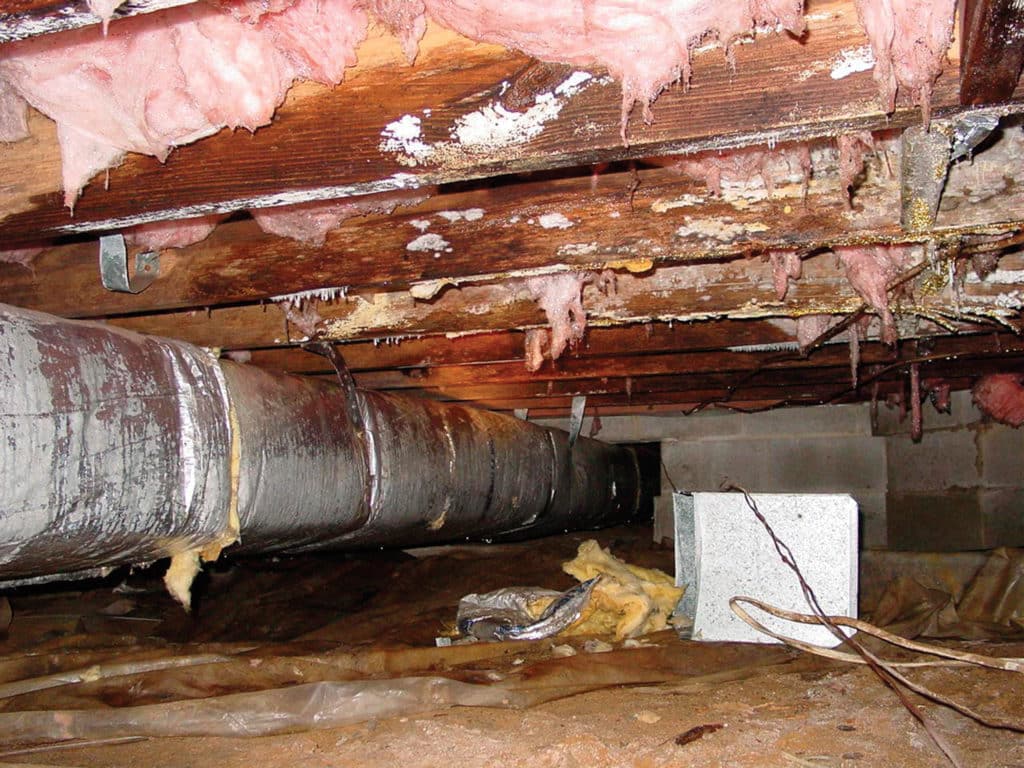
Mold growth in basements is a common issue that many homeowners face, yet few fully understand how it actually begins. While mold may seem to appear suddenly, it is usually the result of ongoing moisture problems that develop over time.
Basements provide the perfect environment for mold growth due to their location below ground level, where moisture, humidity, and limited airflow are often present.
Understanding how mold starts in a damp basement helps homeowners recognize the early stages of the problem and take action before it spreads.
Because mold can affect both the structure of the home and indoor air quality, preventing its growth begins with understanding the conditions that allow it to develop.
Key Takeaways
- Mold begins with excess moisture and humidity in the basement.
- Spores are always present and activate when conditions are right.
- Damp materials such as wood and drywall encourage mold growth.
- Poor ventilation allows mold to spread more easily.
- Moisture control is the most effective way to prevent mold.
Mold Spores Are Always Present
One of the most important things to understand about mold is that spores are always present in the air.
These microscopic particles exist both indoors and outdoors, but they only become a problem when they land on a surface with enough moisture to support growth.
In dry conditions, mold spores remain inactive. However, when they encounter damp surfaces, they can begin to grow and multiply.
This means that mold problems are not caused by the presence of spores alone, but by the conditions that allow them to thrive.
The Role of Moisture in Mold Growth
Moisture is the most critical factor in mold development.
In basements, moisture can come from several sources, including:
- water seeping through foundation walls
- condensation forming on cool surfaces
- high humidity levels
- minor leaks or plumbing issues
When these sources create a consistently damp environment, they provide the moisture mold needs to grow.
Even small amounts of moisture can be enough to trigger mold growth if conditions remain consistent over time.
How Mold Begins to Grow on Surfaces
Once mold spores land on a damp surface, they begin to grow by feeding on organic materials.
Common surfaces that support mold growth include:
- wood framing
- drywall
- insulation
- carpeting
- cardboard storage boxes
Mold uses these materials as a food source, allowing it to spread across surfaces.
At first, growth may be minimal and difficult to see. However, as moisture persists, mold colonies can expand rapidly.
Why Basements Are Ideal for Mold Development
Basements create the perfect combination of conditions for mold growth.
Several factors contribute to this environment:
- limited natural light
- poor airflow
- cooler temperatures
- higher humidity levels
Because basements are enclosed spaces, moisture tends to linger longer than in other parts of the home.
This allows mold to grow and spread without being easily detected.
The Impact of Poor Ventilation
Ventilation plays a critical role in controlling moisture levels.
In many basements, airflow is limited, which allows humid air to remain trapped.
Without proper ventilation, moisture cannot escape, and humidity levels remain elevated.
This creates ideal conditions for mold growth.
Improving airflow can help reduce humidity and slow the spread of mold.
How Quickly Mold Can Spread
Mold can begin growing within 24 to 48 hours when moisture is present.
Once it starts, it spreads by releasing spores into the air, which can settle on other damp surfaces.
This process allows mold to expand throughout the basement and potentially into other areas of the home.
Because mold spreads quickly, addressing moisture issues early is essential.
Hidden Mold Growth in Basements
Mold is not always visible.
In many cases, it develops in hidden areas such as:
- behind finished walls
- under flooring
- inside insulation
- behind stored items
Homeowners may not notice mold until it has already spread significantly.
Musty odors are often the first sign of hidden mold growth.
How Mold Affects Indoor Air Quality
As mold grows, it releases spores into the air that can circulate throughout the home.
Because air from the basement rises into upper levels, these spores can affect indoor air quality across the entire house.
This can lead to:
- increased allergens
- respiratory irritation
- unpleasant odors
- reduced overall air quality
Controlling mold growth is essential for maintaining a healthy indoor environment.
Preventing Mold Growth in Damp Basements
The most effective way to prevent mold is to control moisture.
Homeowners can reduce the risk of mold by:
- fixing leaks and water entry points
- using dehumidifiers to control humidity
- improving ventilation and airflow
- monitoring moisture levels regularly
These steps help create an environment where mold is less likely to develop.
How Waterproofing Stops Mold Before It Starts
Professional basement waterproofing systems address the root cause of mold growth by controlling water intrusion.
These systems help keep basements dry by managing groundwater and preventing moisture buildup.
Common waterproofing solutions include:
- interior drainage systems
- sump pump systems
- vapor barriers
- crack repair solutions
By eliminating excess moisture, waterproofing systems prevent the conditions that allow mold to grow.
Long-Term Benefits of Moisture Control
Controlling moisture in the basement provides long-term benefits for homeowners.
These include:
- preventing mold growth
- improving indoor air quality
- protecting structural materials
- increasing the usability of the basement
- maintaining property value
A dry basement is essential for a healthy and stable home.
Conclusion
Mold growth in basements does not happen randomly. It is the result of moisture, humidity, and environmental conditions that allow mold spores to thrive.
Understanding how mold starts in a damp basement helps homeowners recognize early warning signs and take steps to prevent it from spreading.
By controlling moisture through waterproofing, ventilation, and humidity management, homeowners can protect their basements from mold and maintain a healthier indoor environment.
Taking action early is the most effective way to prevent mold-related damage and ensure long-term protection for your home.
FAQs
How does mold start in a basement?
Mold begins when spores land on damp surfaces and have enough moisture to grow and spread.
Can mold grow without water leaks?
Yes. High humidity and condensation can create enough moisture for mold to develop.
How fast does mold grow in a basement?
Mold can begin growing within 24 to 48 hours when moisture is present.
What is the best way to prevent basement mold?
Controlling moisture through waterproofing, dehumidification, and ventilation is the most effective solution.