Skip to content
| In This Article: A practical guide to understanding firestopping solutions, inspection requirements, and ongoing maintenance expectations under current Pennsylvania building code compliance standards. |

Commercial fire caulking plays a direct role in complying with Pennsylvania building codes, yet it’s often misunderstood in active facilities. Many property teams assume that using a firestop sealant automatically satisfies the requirement. In reality, code compliance is about installed systems, documented listings, and long-term maintenance.
If you’re responsible for a facility’s fire safety management, understanding how commercial fireproofing is evaluated under current Pennsylvania codes can help you avoid failed inspections, costly corrections, and potential insurance concerns.
Pennsylvania’s Code Framework for Commercial Buildings
Pennsylvania operates under the 2021 Uniform Construction Code, which adopts the 2021 International Building Code (IBC) with amendments and the 2021 International Fire Code (IFC) without modification. Enforcement is typically handled at the municipal level, although some jurisdictions defer to the Department of Labor and Industry.
For commercial construction compliance, the code creates a two-part responsibility. The IBC governs new work and renovations; the IFC governs ongoing maintenance after occupancy.
Fire-rated building materials and fire protection systems must perform as intended at the time of installation and remain intact over time, meaning compliance doesn’t end at final inspection.
Fire Caulking vs. Firestop Systems
In the field, it’s called commercial fire caulking. The code, however, addresses penetration firestop systems and fire-resistant joint systems.
Under IBC Chapter 7, penetrations through rated walls and floors must use systems tested to ASTM E814 or UL 1479. Joints in rated assemblies must use systems tested in accordance with ASTM E1966 or UL 2079.
The rating applies to the tested assembly, not to the caulk alone, and that distinction matters during inspections.
If the annular space is wider than the listing allows, the wrong backing material is used, or penetrants differ from those tested, the installation can be rejected even if the product is from a reputable firestop brand.
Commercial building safety depends on matching the field condition to the correct listed firestopping solutions and installing them exactly as tested.
Where Buildings Commonly Fall Out of Compliance
For most people, the first things that come to mind are pipe penetrations and conduit openings passing through rated assemblies.
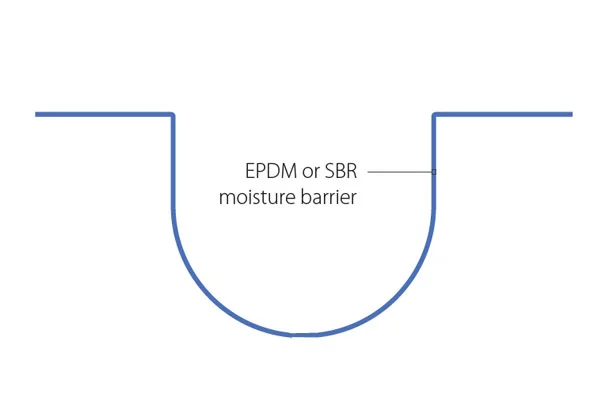
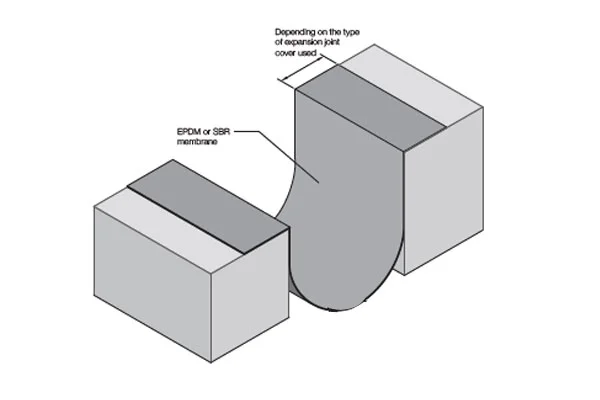
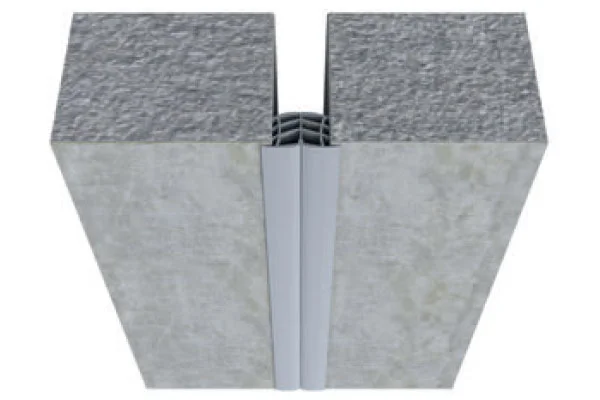
In practice, compliance issues often show up in joints and perimeter conditions. Head-of-wall joints, floor-to-wall joints, curtain wall slab edges, control joints, and movement joints all require listed systems designed for those specific conditions.
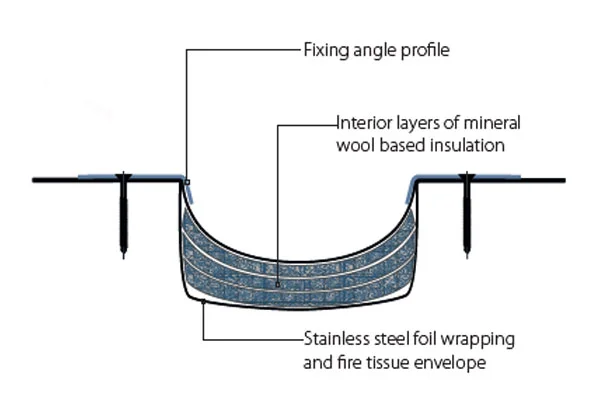
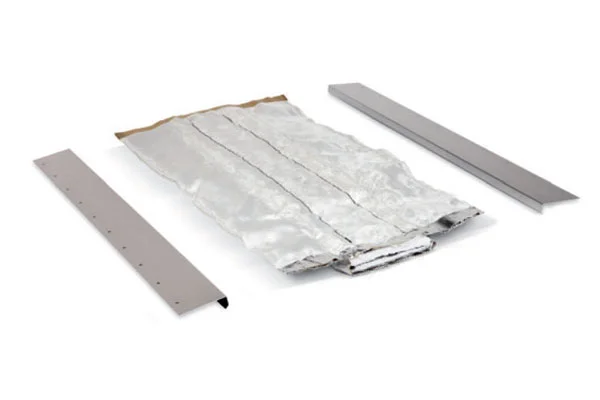
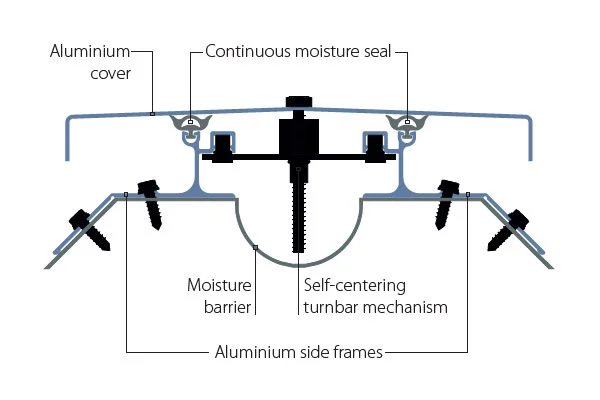
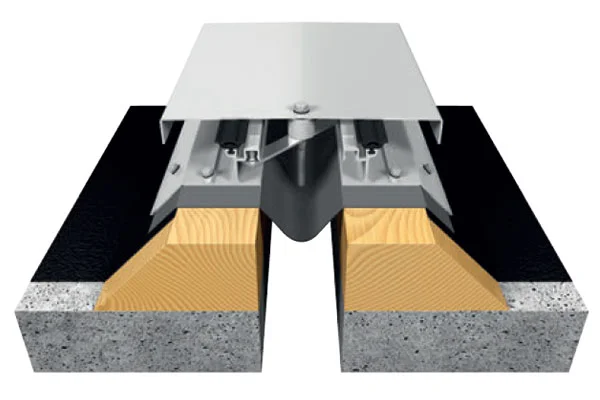
Movement capability is a major factor. Many joints in commercial buildings are designed to expand and contract due to thermal changes or structural movement. A sealant alone doesn’t create a compliant joint unless it’s part of a tested fire-resistant joint system rated for that movement.
Performance ratings also matter. An F rating indicates resistance to flame passage, while an L rating measures air leakage and is often tied to smoke-control requirements.
In certain occupancies, these ratings become part of compliance with Pennsylvania building codes, particularly where smoke barriers are involved.
Documentation and Coordination Before Close-In
Firestopping is most effective when planned early in the design phase, rather than addressed at the end of rough-in as an afterthought. Construction documents should identify rated assemblies and specify the appropriate listed systems for penetrations and joints.
In real projects, firestop details are often deferred until field conditions are known. That approach increases risk. Oversized openings, mixed penetrants, and last-minute adjustments can result in installations that don’t match any tested system. Inspectors are quick to flag those inconsistencies.
Early coordination protects schedule, budget, and inspection outcomes and also supports cleaner execution in occupied facilities, where tenant-friendly construction practices are often required.
Special Inspections and High-Risk Buildings
IBC Chapter 17 requires special inspections of firestop and joint systems in certain buildings, including high-rises and structures in higher-risk categories. These inspections follow ASTM standards that verify installed work matches the approved documents and listings.
When special inspections are triggered, commercial fireproofing becomes part of the formal compliance pathway instead of a trade closeout detail. Proper documentation, installer qualifications, and inspection records all carry weight.
Facility managers overseeing renovations in healthcare, higher education, or large mixed-use properties should confirm whether these requirements apply before work begins.
Ongoing Maintenance Under the Fire Code
Pennsylvania’s adoption of the 2021 IFC places responsibility on building owners to maintain rated and smoke-resistive construction. Annual visual inspections and documentation of repairs are part of that framework.
In existing facilities, compliance gaps often develop gradually. Telecom upgrades, abandoned conduit, plumbing revisions, and envelope repairs create new breaches in rated assemblies.
Mineral wool is removed to run a cable, penetrations are widened, and the backing is disturbed. Over time, passive fire protection can fall out of alignment with the listing.
Fire safety in facility management is, therefore, an ongoing operational responsibility. Commercial fire caulking must be reviewed after alterations and not just during initial construction.
A Practical Path to Code-Compliant Caulking
A strong compliance strategy begins with identifying all rated walls, floors, and smoke barriers in the building. Each penetration or joint must be matched to a tested and listed system appropriate for the substrate, opening size, and expected movement.
Installation should follow the listing precisely, including backing, sealant depth, and configuration. Where no tested system matches a condition, an engineering judgment may be required and must be acceptable to the authority having jurisdiction.
Finally, inspections and maintenance should be documented. That record supports compliance with the Pennsylvania building code and reinforces broader commercial building safety goals.
Protecting Your Facility Long-Term
Commercial fire caulking is part of a larger commercial fireproofing and fire protection systems strategy rooted in current code requirements. Compliance with Pennsylvania building codes means treating each penetration and joint as a system-specific condition, coordinating details early, and maintaining rated assemblies throughout the building’s life.
If you manage a facility in Chester, Montgomery, or Delaware Counties or the Wilmington area and want clarity on your building’s firestopping conditions, now is the right time to act.
Book your consultation with Waterproof Caulking & Restoration to review your assemblies, address deficiencies, and develop a practical plan to support long-term facility management and fire safety.