 Skip to content
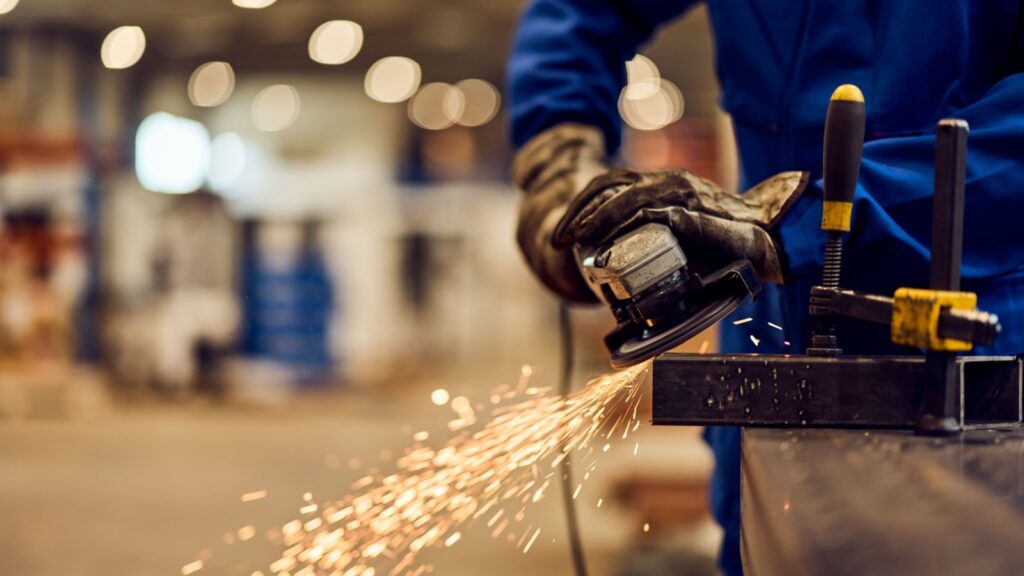

The construction industry is seeing a rapid rise in prefabrication within MEP contracting, driven by growing project complexity, tighter schedules and persistent labor shortages. Large firms have built modern fabrication facilities designed to operate with the rigor of manufacturing plants, while mid-market shops are finding ways to adopt the same principles at a smaller scale. Success depends on more than moving work inside a building. It requires discipline in how tasks are organized, how workflows are structured and how digital tools guide decisions.
Strategic fabrication identifies the work that can be repeated from project to project. By standardizing those portions of production, contractors reduce waste and variation without limiting the craftsmanship required for custom systems. This balance allows teams to optimize labor, maintain quality and meet schedule targets while still supporting architecturally unique designs.
Understanding Strategic Prefabrication
Strategic fabrication centers on making smart operational choices about where standardization adds value. The goal is not uniformity across the entire project. Instead, it focuses on the sections of work that benefit from consistency, predictable sequencing and material efficiency. When those elements are handled in a controlled shop environment, field crews can focus on high-skill installation tasks that require experience and judgment.
This matters because construction sites are unpredictable. Weather shifts, other trades overlap, materials arrive at irregular intervals and jobsite congestion affects the pace of work. These unpredictable conditions create what many refer to as a “wicked” environment. By contrast, fabrication shops operate in a “kind” environment. They are climate-controlled, ergonomically arranged and designed to remove obstacles that slow down field production. Mechanical aids reduce physical strain, workers stay safer and teams can repeat the same high-quality results every time.
A strong fabrication operation is built on three essential components: workflow design and facility layout, labor and skills optimization, and digital integration.
Workflow Design and Facility Layout
Efficient workflows are the backbone of a successful shop. Production sequences must be designed with intent. Material flows need to be direct and predictable. Workstations should be arranged so that crews can move from one task to the next without bottlenecks or unnecessary backtracking. When a layout reduces motion and congestion, productivity rises while fatigue and risk of injury decline.
Thoughtfully designed workstations also allow teams to focus on precision. Proper lighting, clear work surfaces and logical material staging help eliminate errors and rework. These are advantages that are difficult to achieve consistently on active jobsites.
Labor and Skills Optimization
Mechanized tools improve consistency and broaden who can participate in shop work. Instead of relying on brute strength to lift and position materials, crews use cranes, lifts, adjustable tables and other mechanical devices that allow workers of all sizes and backgrounds to succeed. This reduces physical strain, supports workforce longevity and opens the door for people who may not have previously considered a trade career.
Women, in particular, have become highly effective fab-shop welders. Their precision, focus and attention to detail translate exceptionally well to welding, brazing and assembly tasks that reward consistency over strength. When paired with standardized shop workflows, these traits help drive high-quality output.
Digital Integration
Digital tracking software ties the entire operation together. Platforms that monitor material, labor hours and progress help teams make informed decisions with real-time information. They allow project managers to anticipate bottlenecks, track the pace of production and maintain accurate installation forecasts.
One of the most important financial advantages is the ability to bill for partial completion of assemblies before they reach the jobsite. Contractors operating on tight credit lines gain a more predictable cash-flow model because progress can be verified through digital records.
“By leveraging real-time, model-based data on assembly progress and labor completion, specialty contractors can confidently substantiate billing well ahead of physical installation,” says David Wenger, senior solutions engineer at Stratus. “Because this progress is visually represented within the model, it creates a level of transparency that strengthens alignment and trust between VDC, the shop, the field and, ultimately, the general contractor and owner.”
Digital integration turns the fabrication shop into a data-driven production center rather than a collection.
Addressing the Skilled-Labor Shortage
The industrywide labor shortage is intensifying, and strategic fabrication offers a practical response. By replacing physically demanding field work with controlled, mechanized shop tasks, a larger portion of the workforce becomes capable of contributing. Workers who may not feel comfortable performing heavy overhead installation can excel in a stable, structured environment that prioritizes accuracy over strength.
This does not eliminate the need for skilled craft professionals. Instead, it allows those experienced workers to dedicate more time to complex tasks, systems coordination and installation details that require their expertise. Routine components can be produced by broader segments of the workforce, supported by digital instructions and mechanical aids.
“Transitioning tasks into a controlled fabrication shop allows our industry to engage people who may not take on demanding field work, while the introduction of new technologies makes these roles even more appealing to younger talent,” says Wenger. “It’s a practical way to grow the workforce and mitigate industrywide labor shortages at the same time.”
The result is a more sustainable labor strategy that improves retention and expands recruiting pipelines.
Overcoming Labor and Workflow Challenges
Many MEP contractors face the same scenario: a mid-sized team responsible for supplying and installing mechanical piping for a multistory commercial building. When performed entirely on site, this task is labor-intensive and vulnerable to delays. Crews must lift heavy pipe into position, work around other trades and adjust to weather and shifting schedules. Fatigue affects judgment and accuracy, and timelines often stretch beyond the planned duration.
Through strategic fabrication, much of that work shifts indoors. Digital tools track the material, labor and completion status of each assembly. Components are built with precise measurements under consistent conditions. Mechanical lifts and ergonomic tables reduce physical strain, allowing crews to work longer with fewer interruptions.
Because much of the work occurs simultaneously across several stations, output increases even with a smaller workforce. Contractors can invoice earlier through digital progress tracking, easing cash-flow pressure on businesses that rely on credit to cover project expenses.
This shift leads to four key results:
• Higher output: Multiple assemblies can be produced at once without the constraints of jobsite scheduling.
• Improved safety: Mechanical aids reduce the risk of injuries tied to heavy lifting and repetitive strain.
• A broader workforce: Tasks become accessible to more workers, creating opportunities for underrepresented groups.
• Stronger cash flow: Early billing based on verified progress stabilizes finances and reduces reliance on short-term credit.
“Structured workflows and digital tracking continue to reduce errors, accelerate assembly and give contractors real-time insight into material and labor costs, which is essential for managing cash flow and maintaining schedule,” says Wenger. “Over time, this tracking builds a valuable historical dataset that strengthens the ability to forecast future requirements and improve long-term planning.”
Future-Proofing Fabrication Operations
Contractors who adopt strategic fabrication position their businesses for long-term stability. A well-run shop allows companies to bid more confidently, deliver with greater predictability and avoid the costly setbacks tied to field delays. Standardization increases output while maintaining quality. Digital platforms provide insight into productivity, labor usage and scheduling risks, helping leaders plan more effectively.
These practices provide several advantages:
• Consistent quality supported by repeatable workflows
• Predictable schedules with fewer disruptions
• More efficient labor usage that focuses skilled workers on value-added tasks
• Data-driven forecasting for materials, manpower and production timelines
• Smoother collaboration between VDC, shop teams and field crews
Digital tools also play an essential role in financial stability. Progress verification allows contractors to invoice portions of work earlier, reduce credit dependence and maintain healthier cash flow. Transparency created by digital records helps avoid disputes with general contractors and owners while reinforcing trust.
By combining these operational, labor and digital elements, fabrication shops can reach manufacturing-level performance. The result is a more capable workforce, more controlled projects and more stable margins, even under challenging market conditions.
Strategic fabrication is not simply relocating tasks indoors. It is the intentional design of a production system that uses repeatability, mechanical assistance and digital visibility to improve efficiency, quality and financial performance. When contractors design workflows around what can be repeated, use equipment that reduces strain and adopt platforms that track progress in real time, they create a more productive and resilient operation.
This approach also expands the workforce pool, helps address the skilled-labor shortage and reduces exposure to unpredictable field conditions. Contractors who adopt these principles can deliver work with greater consistency, support their teams with safer and more predictable environments, and maintain the financial stability needed to grow.
By combining controlled shop operations with strategic planning and digital integration, MEP contractors can build fabrication shops that operate like high-performance manufacturing facilities. The result is higher quality, fewer delays and a more satisfied workforce ready to meet the demands of today’s projects.
SEE ALSO: PRE-FABULOUS: COST AND ENVIRONMENTAL SAVINGS WITH PREFABRICATION







