One of the first questions homeowners ask when dealing with a wet basement is, “How much will waterproofing cost?” While this is a valid concern, the answer is not always straightforward.
Basement waterproofing costs can vary widely depending on the specific conditions of the home, the severity of the problem, and the type of solution required. No two homes experience moisture issues in exactly the same way, which means pricing is often customized.
Understanding the factors that affect basement waterproofing cost helps homeowners make informed decisions and avoid unexpected expenses.
More importantly, it highlights why professional evaluation is essential for determining the most effective and cost-efficient solution.
Key Takeaways
- Basement waterproofing costs vary based on several key factors.
- The severity of the water problem significantly impacts pricing.
- Different waterproofing systems come with different costs.
- Structural repairs may increase the overall investment.
- Professional evaluation ensures accurate recommendations and pricing.
The Severity of the Water Problem
One of the biggest factors influencing cost is how serious the moisture issue is.
Minor problems, such as occasional dampness or small cracks, may require less extensive solutions. However, more severe issues, such as frequent flooding or structural damage, typically require more complex systems.
Examples of varying severity include:
- light moisture or humidity issues
- recurring water seepage
- standing water or flooding
- foundation cracks or wall movement
The more advanced the problem, the more comprehensive the solution needs to be.
Type of Waterproofing System Installed
The type of waterproofing system plays a major role in determining cost.
Different systems are designed to address different types of moisture problems.
Common waterproofing solutions include:
- interior drainage systems
- sump pump installations
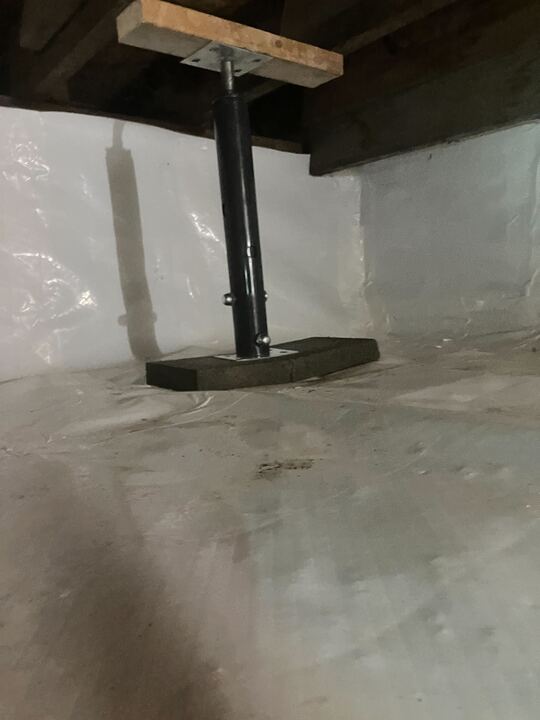
- vapor barriers
- exterior waterproofing systems
- foundation crack repair
Interior systems are often more cost-effective because they require less excavation, while exterior systems may involve more labor and equipment.
Choosing the right system depends on the specific needs of the home.
Size of the Basement
The size of the basement directly affects the overall cost of waterproofing.
Larger basements require:
- more materials
- longer installation times
- additional labor
For example, installing a drainage system in a large basement will involve more piping and excavation than in a smaller space.
Because of this, square footage is a key factor in pricing.
Condition of the Foundation
The condition of the foundation also plays a significant role in determining cost.
If the foundation is in good condition, waterproofing may focus primarily on moisture control.
However, if there are structural issues, additional repairs may be required, such as:
- fixing cracks
- reinforcing walls
- stabilizing bowing walls
These repairs add to the overall project cost but are essential for long-term stability.
Drainage Conditions Around the Home
Exterior drainage conditions can influence both the cause of the problem and the solution required.
Poor drainage around the home can lead to increased water pressure on the foundation.
Common drainage issues include:
- clogged or ineffective gutters
- short downspouts
- improper grading
- water pooling near the foundation
Correcting these issues may be part of the waterproofing process and can affect the total cost.
Labor and Installation Complexity
The complexity of the installation process is another important factor.
Projects that involve:
- extensive excavation
- difficult access areas
- removal of finished flooring
- structural repairs
will typically require more labor and time.
More complex installations increase the overall cost but are necessary to ensure the system works effectively.
Additional Components and Upgrades
Some homeowners choose to include additional components that enhance the performance of their waterproofing system.
These may include:
- battery backup sump pumps
- advanced dehumidification systems
- high-capacity drainage systems
- extended discharge lines
While these upgrades add to the initial cost, they provide added protection and peace of mind.
Why Cheap Solutions Can Cost More Over Time
It can be tempting to choose the lowest-cost option when dealing with basement moisture problems.
However, temporary fixes such as sealants or waterproof paints often fail to address the root cause of the issue.
Over time, this can lead to:
- recurring water problems
- additional repairs
- higher long-term costs
Investing in a professionally designed system helps ensure that the problem is solved correctly the first time.
The Value of Professional Inspection
Because every home is different, a professional inspection is essential for determining the most accurate cost.
Waterproofing specialists evaluate:
- the source of moisture
- the condition of the foundation
- soil and drainage conditions
- the best system for long-term protection
This allows them to provide a customized solution that fits the specific needs of the home.
Long-Term Benefits of Investing in Waterproofing
While cost is an important consideration, it is also important to think about the long-term value of waterproofing.
Benefits include:
- preventing structural damage
- protecting personal belongings
- improving indoor air quality
- increasing property value
- creating usable basement space
By addressing moisture problems early, homeowners can avoid more expensive repairs in the future.
Conclusion
Basement waterproofing costs can vary depending on several important factors, including the severity of the problem, the type of system required, and the condition of the foundation.
Understanding these factors helps homeowners make informed decisions and choose the right solution for their home.
While upfront costs may vary, investing in professional waterproofing provides long-term protection against water damage, mold growth, and structural issues.
A properly installed system not only keeps the basement dry but also helps protect the overall value and safety of the home.
FAQs
How much does basement waterproofing typically cost?
Costs vary depending on the size of the basement, severity of the issue, and the system installed. A professional inspection is needed for an accurate estimate.
Is basement waterproofing worth the investment?
Yes. Waterproofing helps prevent costly damage and improves the safety and value of the home.
What is the most affordable waterproofing solution?
Interior drainage systems are often more cost-effective than exterior solutions, but the best option depends on the situation.
Can I waterproof my basement myself?
DIY solutions may provide temporary relief, but professional systems are more effective for long-term protection.