Skip to content

By Ohio State Waterproofing
Foundation cracks can be a significant concern for homeowners in Ohio, as they can indicate underlying structural issues that may compromise the integrity of a home. Understanding the types of foundation cracks, their causes, and the appropriate repair methods is essential for maintaining a safe living environment. This guide will provide a comprehensive overview of foundation cracks, focusing on the unique challenges faced by Ohio homeowners due to the region’s soil and climate conditions. By the end of this article, you will be equipped with the knowledge to identify potential problems and take proactive measures to protect your home.
In this guide, we will explore the various types of foundation cracks, the common causes behind them, effective repair methods, and indicators that signal when it’s time to seek professional help. Additionally, we will discuss preventive measures that can help mitigate the risk of foundation issues in the future.
Comprehensive Guide on Foundation Cracks in Ohio
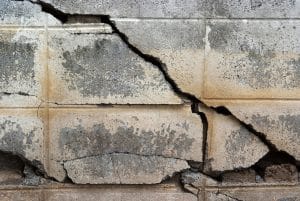
Foundation cracks are separations or fractures in the concrete or masonry of a building’s foundation. They can occur for various reasons, including soil movement, moisture fluctuations, and construction practices. Addressing foundation cracks promptly is crucial, as they can lead to more severe structural problems if left untreated. This guide aims to provide homeowners with a thorough understanding of foundation cracks and their implications for home safety and stability.
Types of Foundation Cracks
Foundation cracks can be categorized into several types, each indicating different underlying issues. Understanding these types can help homeowners assess the severity of the problem.
Hairline Cracks

Hairline cracks are thin, minor fractures that typically do not pose a significant threat to the structural integrity of a home. They often occur due to normal settling and can be easily repaired with sealants.
Vertical Cracks — What They Mean
Vertical cracks are common in foundations and usually indicate normal settling. However, if they widen significantly, they may suggest more serious issues, such as soil movement or inadequate support.
Horizontal Cracks — The Red Flag
Horizontal cracks are often a cause for concern, as they can indicate significant pressure on the foundation walls, typically from soil expansion or hydrostatic pressure. These cracks require immediate attention to prevent further damage.
Diagonal and Stair-Step Cracks
Diagonal and stair-step cracks can indicate more severe structural issues, often related to foundation settlement or shifting. Homeowners should monitor these cracks closely and consult a professional if they worsen.
Comparison of Foundation Crack Types and Their Implications
Causes of Foundation Cracks
Several factors contribute to the formation of foundation cracks in Ohio homes. Understanding these causes can help homeowners take preventive measures.
Expansive Glacial Clay Soils
Ohio’s expansive clay soils can swell and shrink with moisture changes, exerting pressure on foundations and leading to cracks. This soil movement is a primary cause of foundation issues in the region. Proper management of soil moisture is key to preventing soil moisture-related foundation damage.
Poor Drainage and Hydrostatic Pressure
Inadequate drainage around a home can lead to hydrostatic pressure, which pushes against foundation walls and causes cracks. Proper grading and drainage systems are essential to mitigate this risk.
Freeze-Thaw Cycles
Ohio experiences significant freeze-thaw cycles, which can exacerbate foundation cracking. Water that seeps into cracks can freeze and expand, further widening the fractures.
Tree Roots and Vegetation
Tree roots can exert pressure on foundations as they grow, leading to cracks. Homeowners should be mindful of the placement of trees and large shrubs near their homes.
Seasonal Moisture Changes
Seasonal fluctuations in moisture levels can cause soil to expand and contract, impacting foundation stability. Regular monitoring of moisture levels can help prevent issues.
Poor Construction and Concrete Curing
Foundations that are not constructed or cured properly are more susceptible to cracking. Ensuring quality workmanship during construction is vital for long-term stability.
How Ohio’s Unique Conditions Affect Foundation Movement
Ohio’s foundation challenges are largely influenced by its specific environmental and geological factors:
- Expansive Clay Soils: The glacial clay prevalent in Ohio swells when wet and shrinks when dry, causing cyclical pressure on foundation walls that can lead to cracking and movement.
- Freeze-Thaw Cycles: Frequent freeze-thaw cycles cause water trapped in soil and cracks to freeze and expand, exacerbating existing cracks and potentially creating new ones.
- Hydrostatic Pressure: Poor drainage and heavy rainfall increase water pressure against foundation walls, which can force cracks to open or worsen.
- Lake-Effect Climate: Areas near Lake Erie experience increased moisture and precipitation, intensifying soil moisture fluctuations and foundation stress.
How Homeowners Can Distinguish Between Minor Settling Cracks and Structural Foundation Damage
Distinguishing between minor settling cracks and serious structural damage is critical for timely and appropriate action. Homeowners should consider the following factors:
- Crack Width: Hairline cracks less than 1/8 inch wide are often cosmetic and related to normal settling. Cracks wider than 1/4 inch may indicate structural issues.
- Crack Pattern: Vertical cracks are usually less serious, while horizontal, diagonal, or stair-step cracks often signal more significant movement.
- Crack Progression: Cracks that remain stable over time are less concerning. Cracks that widen, lengthen, or multiply require professional evaluation.
- Associated Symptoms: Doors or windows sticking, uneven floors, or gaps around frames often accompany serious foundation problems.
By monitoring these signs, homeowners can better assess when to monitor, inspect, or repair foundation cracks.
Foundation Crack Severity Thresholds: When to Monitor vs. Inspect Immediately
Understanding severity thresholds helps homeowners prioritize their response to foundation cracks:
When Are Cracks Cosmetic vs. Signs of Serious Movement?
Not all foundation cracks indicate serious problems. Cosmetic cracks are typically:
- Very thin (hairline) and stable over time
- Vertical and located in non-load-bearing areas
- Not accompanied by other structural symptoms
In contrast, cracks that suggest serious movement often:
- Are horizontal or diagonal
- Widen or lengthen over time
- Cause doors/windows to stick or floors to slope
- Appear near corners or where different materials meet
Recognizing these differences helps homeowners decide when to act.
Repair Methods
When it comes to repairing foundation cracks, several methods can be employed depending on the severity and type of crack. Understanding these options can help homeowners make informed decisions.
Epoxy Injection for Structural Repairs
Epoxy injection is a common method for repairing cracks in concrete foundations. This technique involves injecting epoxy resin into the crack to bond the concrete and restore structural integrity.
Polyurethane Foam for Water Sealing
Polyurethane foam is often used to seal cracks and prevent water intrusion. This method expands upon application, filling voids and creating a waterproof barrier. For more information on foundation repair techniques, consult resources on foundation repair techniques.
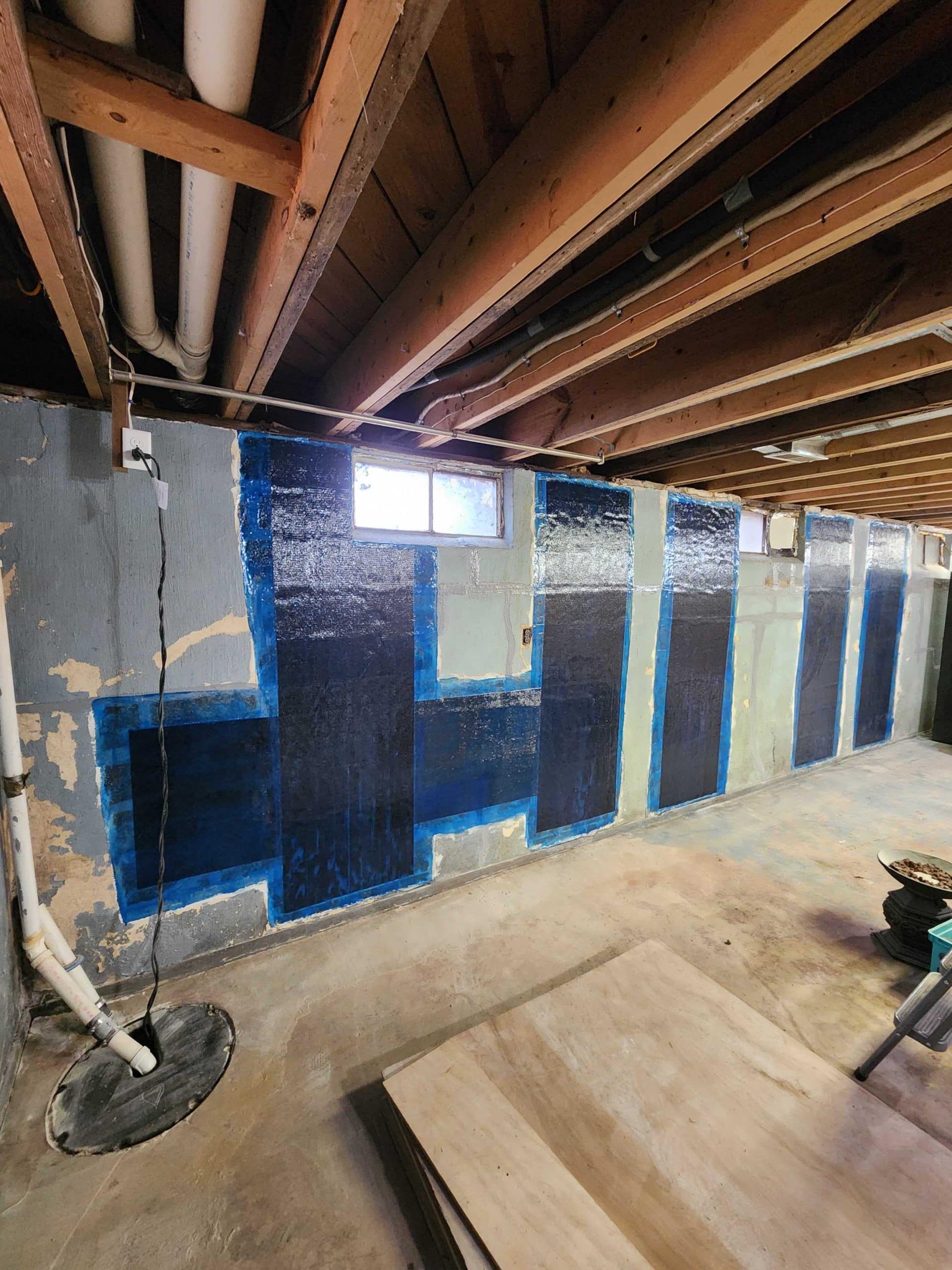
Carbon Fiber Straps for Bowed Walls
For foundations with bowing walls, carbon fiber straps can provide reinforcement. These straps are applied to the wall surface to stabilize and prevent further movement.
Push Piers and Helical Piers for Settlement
Push piers and helical piers are used to address foundation settlement issues. These systems transfer the weight of the structure to deeper, more stable soil layers, effectively lifting and stabilizing the foundation.
Understanding the costs associated with these repair methods can help homeowners budget effectively for necessary repairs.
Indicators for Homeowners to Be Concerned
Homeowners should be vigilant for signs that indicate serious foundation issues. Recognizing these indicators early can prevent more extensive damage.
Visible Cracks
Any visible cracks in the foundation, especially those that are widening or changing in appearance, should be taken seriously. Monitoring their progression is essential.
Doors and Windows Sticking
If doors and windows begin to stick or fail to open and close properly, it may indicate foundation movement. This issue often correlates with underlying structural problems.
Uneven Floors
Uneven or sloping floors can signal foundation issues. Homeowners should investigate further if they notice significant changes in floor levels.
Homeowner Decision Guidance: Monitor, Schedule Inspection, or Urgent Repair
Deciding how to respond to foundation cracks depends on their characteristics and associated symptoms. Homeowners can use the following guidance:
- Monitor: For small, stable hairline cracks without other symptoms, keep an eye on them and document any changes.
- Schedule Inspection: For cracks between 1/8 and 1/4 inch, especially diagonal or stair-step cracks, or if accompanied by minor symptoms like slight door sticking, arrange a professional evaluation.
- Urgent Repair: For cracks wider than 1/4 inch, horizontal cracks, rapidly worsening cracks, or significant structural symptoms such as severe door/window issues or uneven floors, seek immediate professional repair.
Importance of Professional Assessment
Seeking a professional assessment for foundation issues is crucial for ensuring safety and stability. Experts can provide valuable insights and recommend appropriate solutions.
Expert Evaluation
Professional evaluations can identify the root causes of foundation problems and recommend effective repair strategies. This expertise is essential for long-term stability.
Cost-Saving Benefits
Addressing foundation issues early can save homeowners money in the long run. Timely repairs can prevent more extensive damage and costly repairs down the line.
Safety Considerations
Foundation issues can pose safety risks to occupants. Ensuring that a home is structurally sound is vital for the safety of all residents.
Preventive Measures
Taking proactive steps to prevent foundation issues can save homeowners time and money. Implementing these measures can help maintain a stable foundation.
Proper Drainage
Ensuring proper drainage around the home is essential for preventing water accumulation and hydrostatic pressure. Homeowners should regularly inspect and maintain drainage systems.
Regular Maintenance
Routine maintenance, including checking for cracks and monitoring moisture levels, can help identify potential issues before they escalate.
Routine Inspections
Scheduling regular inspections with a foundation expert can provide peace of mind and ensure that any emerging issues are addressed promptly.
What Are Foundation Cracks and Why Do They Matter in Ohio Homes?
Foundation cracks are significant because they can indicate underlying structural issues that may compromise the safety and stability of a home. In Ohio, where soil conditions and climate can exacerbate these problems, understanding the implications of foundation cracks is crucial for homeowners.
How Ohio’s Expansive Clay Soils Cause Foundation Movement
Ohio’s expansive clay soils can lead to significant foundation movement as they swell and shrink with moisture changes. This movement can create pressure on foundation walls, resulting in cracks and structural damage.
The Role of Freeze-Thaw Cycles in Crack Formation
Freeze-thaw cycles in Ohio can contribute to the formation of foundation cracks. Water that seeps into cracks can freeze, expand, and further widen the fractures, leading to more severe issues.
Why Lake Erie’s Lake-Effect Climate Compounds the Problem
The lake-effect climate in Ohio can lead to increased moisture levels, which can exacerbate foundation issues. Homeowners should be aware of how local climate conditions can impact their foundations.
How Can a Homeowner Distinguish Between Minor Settling Cracks and Serious Structural Foundation Damage?
Homeowners can distinguish between minor settling cracks and serious structural damage by assessing the size, location, and progression of the cracks. Minor cracks are typically hairline and stable, while serious cracks may be wider and changing.
Comparison Table: Minor Settling Cracks vs. Structural Foundation Damage
Visual Support Recommendations
To enhance understanding and engagement, consider including the following visual aids in your content or presentations:
- Infographic: Illustrate the types of foundation cracks with images and descriptions to help homeowners visually identify each type.
- Comparison Tables: Use tables comparing crack types, severity levels, and recommended actions for quick reference.
- Soil Movement Diagrams: Show how Ohio’s expansive clay soils swell and shrink, impacting foundation stability.
- Repair Method Flowchart: Guide homeowners through decision-making based on crack characteristics and symptoms.
- Inspection Checklist: Provide a printable checklist for homeowners to monitor cracks and related symptoms over time.
Ohio State Waterproofing — Your Local Foundation Crack Experts
Ohio State Waterproofing specializes in addressing foundation cracks and related issues. With a focus on customer satisfaction and expert service, they offer a range of solutions tailored to the unique challenges faced by Ohio homeowners. Their experience in the field ensures that homeowners receive the best possible care for their foundation needs. Their team is certified by industry-leading organizations and stays updated on Ohio-specific soil and climate conditions to provide accurate assessments and effective repairs.
Frequently Asked Questions About Foundation Cracks
- How can I identify serious foundation cracks? Look for cracks that are wider than 1/4 inch, have changed in size, or are accompanied by other signs like sticking doors or uneven floors.
- What is the average cost of foundation crack repair in Ohio? The cost can vary widely based on the type of crack and repair method, ranging from $300 for minor repairs to several thousand dollars for more extensive work.
- Does homeowners insurance cover foundation cracks? Coverage can vary by policy, so it’s essential to review your insurance policy to understand what is covered regarding foundation repairs.
- When should I schedule a professional inspection for foundation cracks? If cracks are wider than 1/8 inch, diagonal or stair-step in pattern, or if you notice doors/windows sticking or uneven floors, it’s advisable to schedule an inspection.
- Can foundation cracks be prevented? While some settling is normal, proper drainage, soil moisture management, and regular maintenance can reduce the risk of serious foundation cracks.
- Are horizontal cracks always a sign of serious damage? Horizontal cracks are often more serious than vertical cracks and usually indicate pressure from soil or water. They should be evaluated promptly by a professional.
- How do freeze-thaw cycles affect foundation cracks? Freeze-thaw cycles cause water in cracks to freeze and expand, which can widen cracks and accelerate foundation damage.
- What are the best practices for monitoring foundation cracks over time? Homeowners should measure crack width and length periodically, document changes with photos, and note any new symptoms such as door/window sticking or floor unevenness.
- How does soil moisture management help prevent foundation damage? Maintaining consistent soil moisture levels around the foundation reduces soil expansion and contraction, minimizing stress on foundation walls.
- What professional certifications should I look for when hiring a foundation repair expert in Ohio? Look for certifications from organizations such as the Foundation Repair Association (FRA) or the National Association of Waterproofing and Structural Repair Contractors (NAWSRC).