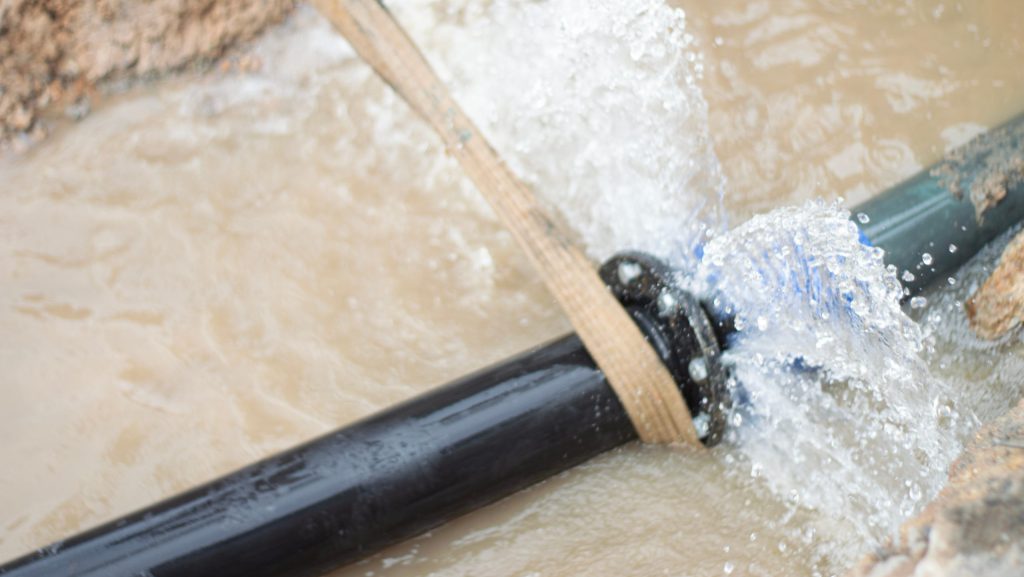
Water, especially when you can’t see it, can cause serious and costly damage to buildings.
Water leaking into a building is a leading cause of damage and loss in the construction industry. On one jobsite, heavy rains flooded a sub-basement, damaging a new electrical transformer—all because a roof drain was not property connected. On another jobsite, a drinking-fountain supply line broke in a multistory building that was undergoing renovation, causing water to run—undetected—for an entire weekend, resulting in water damage to all lower floors, where construction had been finished.
Those loss scenarios could have been prevented with a comprehensive and effective water damage prevention plan (WDPP). This includes routine site inspections to identify uncontrolled water damage exposures and basic maintenance to make sure drains are clean of debris and divert them to a catch basin or low point away from the building. An effective WDPP plan also incorporates technology such as backflow preventers on sewer connections and water sensing technology to monitor the most vulnerable exposures.
Determine High-Risk Areas for Water Intrusion
Although water can enter a building in many ways, there are several major areas that a contractor should pay attention to:
- The building envelope—roof, walls and floors
- Interior systems—piping for domestic water, hot water heaters, HVAC, water-sourced equipment, process liquids, sprinkler protection, and building equipment and appliances;
- Exterior exposures—surface water from improper landscaping, gutters, downspouts and weather-related hazards
To prevent water damage on a construction project, contractors should consider providing instructions for proper maintenance and operation of the property. Consider this 15-point checklist:
- Quality Control requirement for all trades
- Verify weather‑tight building envelope
- Protect unfinished openings daily
- Inspect roof drainage systems
- Confirm positive drainage and slope
- Seal all penetrations and sleeves
- Control temporary water sources
- Inspect water‑bearing system installations
- Use Inspect, Charge, Observe, Drain procedures
- Protect vulnerable finishes and materials
- Implement freeze protection measures
- Maintain clear access to shutoffs and drains
- Install early‑detection technology
- Perform daily water‑risk walkdowns
- Train workers on water awareness and response
Stronger Building Codes
Stronger building codes are another way to make sure property can withstand water intrusion and significantly reduce water damage, especially when it comes to how roofs are built. Without these requirements, many buildings are constructed without sealing the roof deck—the solid, flat surface that sits directly on top of the building’s frame and underneath the shingles or other roofing materials. Think of the roof deck as the “floor” of the roof and the shingles as the outer skin. If high winds tear off shingles and the roof deck is not sealed, rain can pour straight into the building. Sealing the roof deck adds a protective water barrier at a relatively low-cost during construction, but it can prevent extensive interior damage and save tens of thousands of dollars over the life of the building.
Storm-Hardening
While many existing buildings may not have been built to withstand water damage, owners can work with contractors to make them stronger so they can better stand up to severe weather and reduce the chance that wind or rain will cause serious damage or lead to costly water intrusion. For example, improving the framing inside a building can make a facility stronger and reduce the amount of potential damage during strong winds from a hurricane or tornado.
Building owners can also ensure that there is proper drainage during construction. Some structural areas to look at include building envelope evaluation, wall types, roof types, windows, doors, exterior drainage and landscaping. In addition, it is prudent to note the location of air handling units, water supply, critical electrical or mechanical equipment, and whether an emergency generator has enough capacity to deliver the necessary power for these essential items in the event of a power outage.
Using Technology as a Proactive Measure
Water sensors are an early detection system that can monitor buildings and alert property owners of water intrusion or leaks. This is particularly important if the building or facility has had a history of water damage because these kinds of devices can capture an issue before it becomes a major loss. The difference in damage costs from being able to quickly respond to a leak compared to not realizing something happened and letting hours go by is significant.
Partnering With an Experienced Insurer
It is no secret in the insurance industry that water-damage claims are common. In some cases, they are one of the leading sources for commercial property loss. However, contractors help avoid losses if they identify risk areas early, prepare a water damage prevention plan and use technology to monitor and mitigate potential costly losses.
SEE ALSO: WATER DAMAGE: CONSTRUCTION’S OFTEN UNNOTICED THREAT