Skip to content
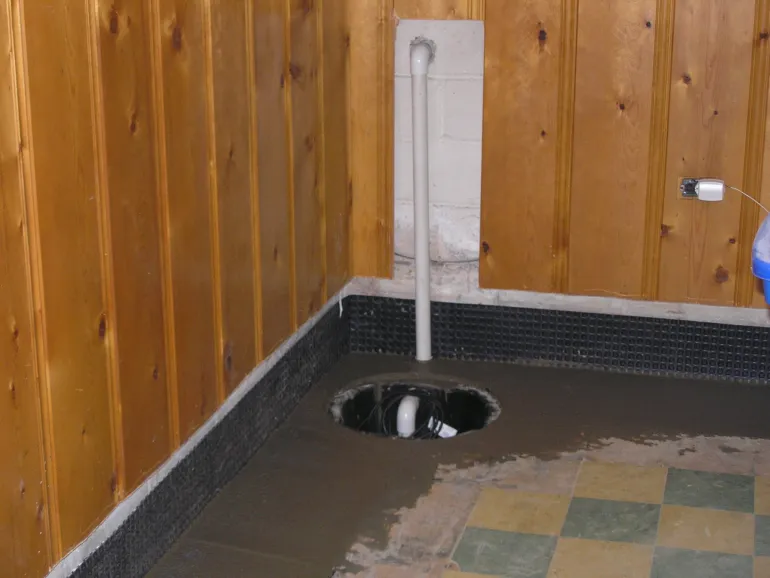

Basement waterproofing preserves structural integrity and indoor health. Typical issues are water seepage, foundation cracks, poor drainage, and mold; left unchecked, they can cause damage and health problems. This article summarizes causes, common repairs, recommended solutions, and when to call a professional.
For professional help see basement waterproofing services that offer tailored plans.
Key Takeaways
- Waterproofing prevents seepage, foundation damage, and mold.
- Primary issues: hydrostatic pressure, foundation cracks, drainage failures, humidity, and storm flooding.
- Crack type determines the repair method.
- Sump pumps, drainage systems, and coatings are common solutions.
- Call a professional for major damage, complex repairs, or long-term solutions.
Common basement waterproofing problems include:
Core problems come from environmental forces and structural deficiencies: hydrostatic pressure, foundation cracks, drainage failures, high humidity, and storm-related flooding.
- Hydrostatic Pressure: Soil water pressure can force water through walls and floors.
- Foundation Cracks: Cracks allow direct water entry and need targeted repair.
- Drainage Failures: Poor surface or sub-surface drainage causes pooling near the foundation.
- Humidity and Condensation: High humidity creates damp conditions conducive to mold.
- Flooding During Storms: Heavy rain can overwhelm systems and flood basements.
Recognizing these issues early helps prioritize repairs. AquaGuard Waterproofing specializes in diagnosis and repair.
What Are the Main Causes of Basement Water Leakage?
Water leakage usually stems from inadequate surface/sub-surface drainage, foundation cracks, and high groundwater that increases pressure on the foundation.
- Poor Drainage: Gutters, downspouts, or grading that don’t move water away from the foundation.
- Foundation Cracks: Settling, temperature changes, or construction defects can create entry points.
- High Groundwater Levels: Rising groundwater raises hydrostatic pressure and forces water inward.
Addressing the source—drainage, structural repairs, or groundwater control—reduces future leakage risk.
How Do Foundation Cracks Lead to Water Seepage?
Cracks allow direct water entry. They form from soil movement, thermal expansion/contraction, and construction issues. Identifying crack type is essential to choose the correct repair.
- Types of Cracks: Vertical (settling), horizontal (possible structural movement), diagonal (combined causes).
- Causes: Soil shifts, freeze-thaw cycles, and construction defects.
- Prevention and Repair: Timely maintenance, sealing, and structural reinforcement when needed.
What Are the Types of Foundation Cracks and Their Repair Methods?
Common repairs: epoxy injections or sealants for vertical cracks; underpinning or wall-stabilization for serious horizontal movement; combined sealing and reinforcement for diagonal cracks.
Further insight into the effectiveness and application of epoxy for crack repair highlights its dual purpose in sealing and restoring structural integrity.
Epoxy Injection vs. Gravity Feed for Concrete Crack Repair
Filling concrete cracks with epoxy resin is an established repair method. Two principal techniques are used: (i) epoxy injection; and (ii) gravity feed with epoxy. Gravity feed is intended to fill and seal cracks that are not actively moving. Epoxy injection aims to restore structural integrity and to reduce penetration of aggressive liquids into the concrete element.
Crack Repair by Epoxy–Injection Method vs. Gravity Feed Method, 2025

Proper crack identification guides repair choice and reduces future water ingress.
When Should You Consult a Professional Waterproofing Contractor?
Engage a professional for large cracks, bowing walls, recurring leaks, or when repairs require specialized techniques. Early assessment can prevent larger structural problems and higher expenses.
- Signs of Severe Damage: Large or widening cracks, wall movement, or significant intrusion.
- Complex Repairs: Underpinning, major drainage work, or structural stabilization.
- Cost Considerations: Professional work can be more cost-effective over time when it prevents repeat failures.
AquaGuard Waterproofing offers professional diagnosis and long-term strategies.
What Are the Common Basement Mold and Dampness Issues?
Mold and dampness arise from water seepage combined with high humidity and poor ventilation. They damage materials and harm indoor air quality.
- Conditions that Promote Mold: Persistent moisture, high humidity, and low airflow.
- Preventive Measures: Improve ventilation, control humidity, and repair leaks promptly.
Timely remediation preserves materials and occupant health.
How Does Water Seepage Contribute to Mold Growth?
Seepage and condensation keep surfaces damp and enable mold colonization. Control the moisture source and increase ventilation to prevent spread.
- High Humidity: Leads to condensation on walls and ceilings.
- Damp Surfaces: Provide substrate for spores to grow.
- Poor Ventilation: Traps moisture and raises mold risk.
Addressing entry points and humidity is central to prevention.
What Are the Health Risks Associated with Basement Mold?
Mold can trigger allergic reactions and worsen respiratory conditions; it also degrades indoor air quality. Reducing moisture lowers these health risks.
- Allergic Reactions: Sneezing, coughing, and skin irritation.
- Respiratory Issues: Can aggravate asthma and other lung conditions.
- Indoor Air Quality: Mold spores reduce air quality and comfort.
Remediate mold sources promptly and restore dry conditions.
Which Waterproofing Solutions Are Recommended for Basements?
Common, effective measures include sump pumps, interior/exterior drainage, and waterproof coatings for walls and floors.
- Sump Pumps: Actively remove accumulated water.
- Drainage Systems: Redirect groundwater away from foundations.
- Waterproof Coatings: Provide a barrier to minor moisture intrusion.
Professional selection and installation improve long-term performance.
 How Do Sump Pumps and Drainage Systems Prevent Water Damage?

These systems control groundwater and surface water: drainage channels or French drains move water away, and sump pumps expel collected water to prevent pooling and flooding.
- Function: Collect and redirect or remove water.
- Installation: Proper siting and backflow protection are important.
- Effectiveness: Well-installed systems significantly reduce leak and mold risk.
Understand site needs to choose the right configuration.
What Are the Benefits of Tailored Basement Waterproofing Services?
Customised services match solutions to a property’s conditions, which reduces recurrence and can be more economical over time.
- Expert Diagnosis: Identifies underlying causes rather than treating symptoms.
- Tailored Solutions: Combines structural repair, drainage, and moisture control as needed.
- Customer Focus: Warranties and follow-up maintenance improve outcomes.
AquaGuard Waterproofing specializes in tailored, long-term protection.
Frequently Asked Questions
What are the signs that my basement needs waterproofing?
Look for water stains, musty odors, visible mold, foundation cracks, or standing water after rain. Regular inspections catch problems before they escalate.
How can I prevent mold growth in my basement?
Keep humidity low with dehumidifiers, ensure ventilation, fix leaks quickly, and use mold-resistant materials where appropriate. A sump pump helps in flood-prone areas.
What is the cost of professional basement waterproofing services?
Costs vary with size and scope. Obtain multiple quotes to compare solutions, warranties, and scope before deciding.
How long do waterproofing solutions typically last?
Service life depends on the chosen method and maintenance. Sump pumps and coatings commonly require periodic maintenance or replacement within several years.
Can I waterproof my basement myself, or should I hire a professional?
Owners can handle minor tasks (sealants, ventilation, dehumidifiers). For structural cracks, major drainage, or persistent leaks, hire a professional to ensure a durable repair.
What are the environmental impacts of basement waterproofing?
Proper waterproofing prevents repeated repairs and limits material waste. Choosing sustainable products and managing stormwater responsibly reduces environmental impact.
Conclusion
Addressing basement waterproofing problems preserves a safe, durable, and healthy home. Identify causes, apply appropriate solutions, and consult professionals for complex or recurring issues to ensure long-term protection. A professional assessment helps determine the best course of action for your basement.