Skip to content
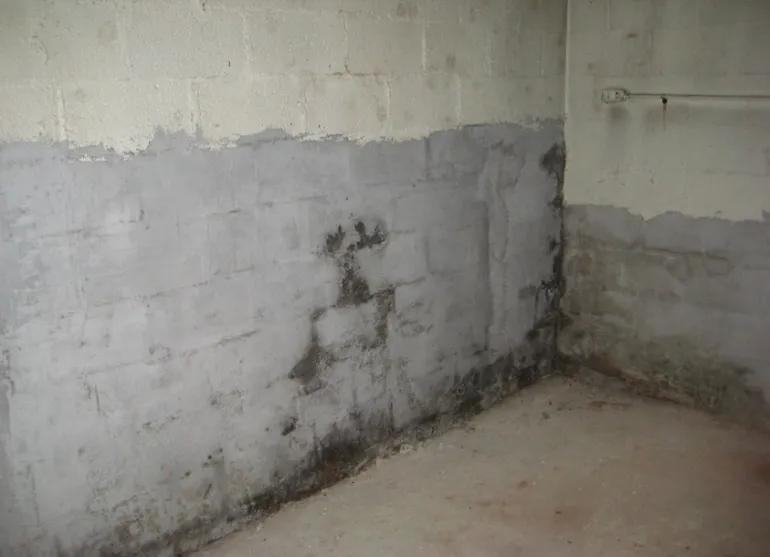
Basement moisture problems have a way of making homeowners feel like they need an expensive, complicated fix right away. But in reality, the smartest approach is usually the simplest one—at least at the start. Like most building challenges, moisture issues are best tackled by working from the easiest, lowest-cost solutions upward, instead of jumping straight to major interventions.
Start Simple, Think Strategic
The best way to approach any building problem is to begin with what’s easy and inexpensive. From there, move step by step in a logical order, choosing the next solution based on cost and the likelihood of success. This method not only saves money but also helps you avoid unnecessary work.
When it comes to basement moisture, this principle is especially important. Too often, people focus on treating the symptoms—like damp walls or musty smells—instead of addressing the root cause.
Control the Source First
Moisture doesn’t just appear out of nowhere. It comes from somewhere, and that’s where your attention should go first. In most cases, the most effective solution is to remove or control the source of the moisture rather than trying to block it at the final point of entry.
Start inside the basement:
- Eliminate or reduce excessive internal moisture sources (like unvented dryers or standing water).
- Improve ventilation for areas that generate humidity.
These steps are simple, low-cost, and often surprisingly effective.
Be Careful with Summer Ventilation
Ventilation sounds like an easy fix—and sometimes it is—but it needs to be done correctly. If condensation during the summer is your issue, ventilating the basement with warm, humid outdoor air can actually make things worse, not better. That humid air can condense on cooler basement surfaces, increasing moisture rather than reducing it.
The key is to understand when ventilation helps and when it hurts.
The Temptation of Quick Fixes
It’s very appealing to solve a basement moisture problem by applying a waterproof membrane or coating to the interior walls. These solutions are relatively inexpensive compared to installing a full drainage system, and in some cases, they seem to work—at least for a while.
But here’s the catch: the water is still there.
Interior coatings don’t eliminate moisture; they simply try to hold it back. Over time, that trapped water will find another path. The coating may deteriorate, or the moisture may show up somewhere else—through cracks, joints, or even the floor.
Think Long-Term, Not Just Immediate
A lasting solution requires thinking beyond quick fixes. By starting with simple, low-cost measures and focusing on controlling moisture at its source, you set yourself up for better long-term results.
- Basement moisture problems aren’t solved by one magic product—they’re solved by a smart process: Start with the simplest and most cost-effective fixes
- Identify and control the sources of moisture
- Get a professional assessment to pinpoint where the water is coming from
- Implement solutions in a logical, cost-efficient order
Taking this approach not only protects your home but also saves you from chasing the same problem again and again.
Get Expert Help When You Need It
If you’re dealing with persistent moisture or want a professional opinion, it can help to bring in experienced specialists. For a free, no-cost 45-point analysis, call Aquaguard Waterproofing today at 800-784-9913. Their trained experts are ready to assist with your moisture and water concerns—especially as we enter the spring and summer rain months, when these issues tend to become more noticeable.