Skip to content


Foundation cracks can threaten a home’s structural stability. This article summarizes practical, affordable repair options, typical cost ranges, how to choose a contractor, and basic post-repair maintenance to protect your investment.
The foundation determines a building’s structural integrity; timely repairs reduce the risk of serious damage.
Residential Foundation Failure: Diagnosis & Repair
Damage in reinforced concrete structures, whether old or new, can occur and requires attention from all responsible parties, from technicians to decision makers. Foundations link the structure to the soil and transmit loads to the ground; when foundations are damaged, the overall stability of the building is compromised. Depending on the severity, such damage can lead to partial or total collapse.
A case study of foundation failure of a residential building: From diagnosis to reparation, A Merah, 2021
Expert Solutions
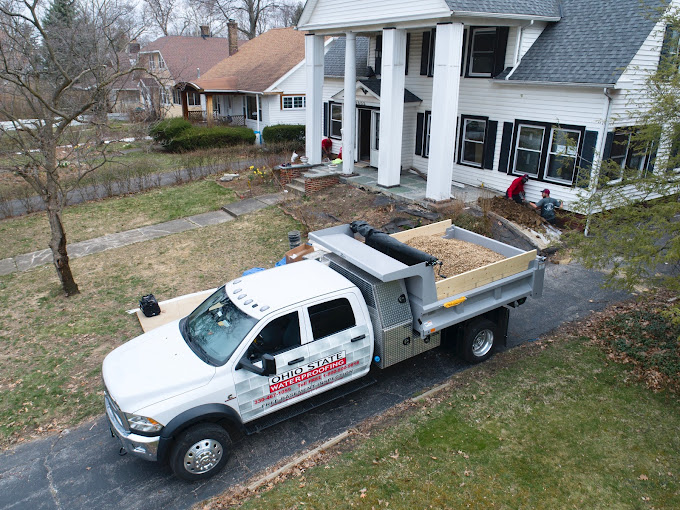
Common repairs range from simple sealants to structural fixes. Choose the method that matches crack size, location, and the underlying cause.
- Crack Filling: Inject sealant to stop water intrusion; best for minor, non-structural cracks.
- Underpinning: Strengthens foundations by extending footing depth; used for significant settlement and structural failure.
- Slabjacking: Lifts sunken concrete with grout to level slabs and restore support.
Matching the repair to the damage reduces repeat work and long-term costs.
Cost Insights
Costs vary by severity, foundation type, and location. Typical ranges are shown below:
Obtain multiple written quotes to compare scope and price before hiring.
Factors to Consider When Selecting Repair Services
Choose a contractor who can deliver a durable repair and clear documentation.
- Reputation and Experience: Check reviews, references, and prior foundation work.
- Licensing and Insurance: Confirm licenses and insurance to limit liability.
- Free Inspections: Many companies offer free inspections—use them to compare diagnoses and methods.
Balance reputation, credentials, and written estimates when deciding.
Maintenance Tips Post-Repair
Simple maintenance helps preserve repairs and prevent recurrence.
- Regular Inspections: Periodic checks catch new issues early.
- Manage Drainage: Grade soil and extend downspouts so water flows away from the foundation.
- Monitor Soil Moisture: Avoid prolonged wet or dry cycles near foundations that can cause movement.
Routine care extends repair life and reduces the chance of future structural problems.
What Are the Most Effective Foundation Crack Repair Methods?
Choose repairs based on crack type and structural needs.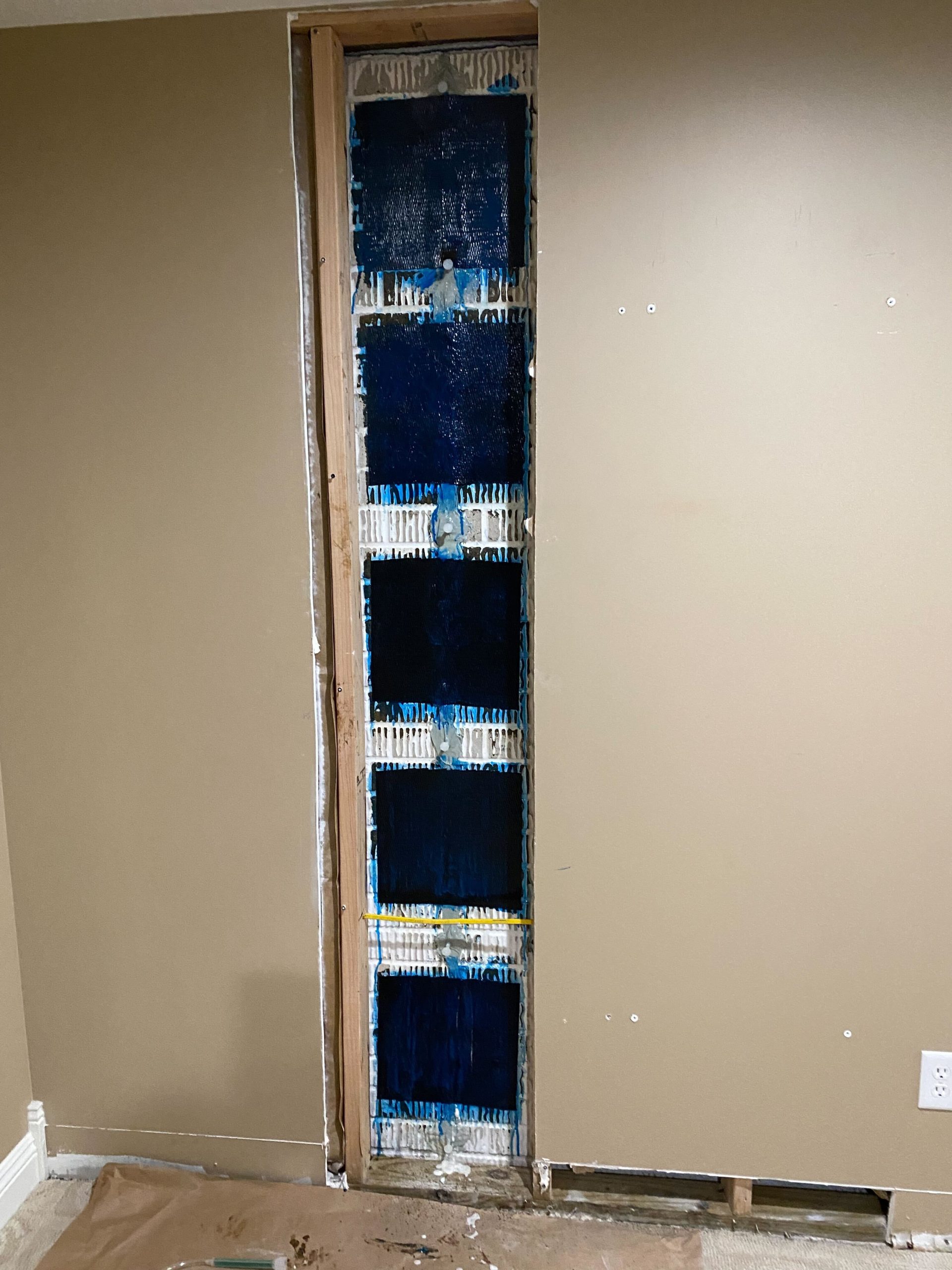
- Epoxy Injection: Ideal for bonding concrete cracks and sealing against moisture. Research supports epoxy injection as an effective method for bonding and repairing concrete cracks.Epoxy Injection & Gravity Filling for Concrete Crack Repair Studies note the use of epoxy by injection or by gravity filling to bond cracks and restore structural continuity. Experimental study of epoxy repairing of cracks in concrete, CA Issa, 2007
- Polyurethane Foam Injection: Expanding foam fills larger voids and stabilizes soil under slabs.
- Carbon Fiber Reinforcement: Surface-applied carbon fiber strips add wall strength without heavy excavation. Further studies examine the uses and benefits of carbon fiber-reinforced polymers for strengthening concrete foundation beams. CFRP for Concrete Foundation Beam Repair For several years Carbon Fiber Reinforced Polymers (CFRP) have been gradually replacing steel plates in the reinforcement of concrete structures that are damaged or need increased resistance. It has long been established that the addition of laminates to structures such as beams and slabs increases their bending and shearing strength considerably. However, the behavior of foundation beams with these reinforcements is not clear. The essential issue in the analysis of reinforced structures with composite materials is to understand the individual behavior of each material and its interaction with the remaining ones. In this paper, the bending and shearing strength of concrete foundation beams with CFRP reinforcement are analyzed through the study of their load capacity variation and beam deflections. Strengthening and repair of concrete foundation beams with carbon fiber composite materials, PN Dominguez, 2012
Have a qualified inspector recommend the best long-term option for your foundation.
How Much Does Foundation Crack Repair Cost in Ohio?
Ohio costs follow the general ranges above; local site conditions affect final pricing.
- Minor Repairs: Approximately $500 for simple filling.
- Moderate Repairs: $2,000–$7,000 for deeper or wider damage requiring specialists.
- Extensive Repairs: Over $10,000 for underpinning, major stabilization, or slabjacking.
Use these ranges to budget and verify costs during an on-site inspection.
What Factors Influence the Price of Foundation Crack Repair?
Understand these cost drivers before you sign a contract.
- Material Choices: Higher-grade materials raise upfront costs but can reduce future repairs.
- Repair Complexity: Structural work and deep underpinning increase labor and equipment needs.
- Soil Conditions: Expansive or unstable soils often require additional stabilization measures.
Knowing these factors helps you compare proposals and set realistic expectations.
Are There Affordable Repair Options Without Excavation?
Yes—non-excavation methods are often faster and less disruptive when appropriate.
- Epoxy Injection: Seals minor wall cracks without digging.
- Carbon Fiber Reinforcement: Strengthens walls from the interior or exterior surface without deep excavation.
- Polyurethane Foam Injection: Fills voids under slabs to lift and stabilize surfaces.
When excavation isn’t needed, you can reduce cost and disruption while achieving durable results.
Which Basement Waterproofing Services Complement Foundation Crack Repair?
Waterproofing works with structural repairs to prevent recurrence driven by moisture.
- Interior Drainage Systems: Capture and redirect water before it damages walls or footing.
- Sump Pump Installation: Removes collected water, reducing hydrostatic pressure on the foundation.
- Exterior Waterproofing: Adds a barrier to keep water away from foundation walls.
Combining waterproofing with structural fixes improves long-term performance.
How Do Waterproofing Solutions Prevent Mold and Improve Indoor Air Quality?
Reducing basement moisture lowers mold risk and helps indoor air quality.
- Moisture Control: Waterproofing reduces humidity that supports mold growth.
- Health Benefits: A drier basement reduces allergens and related health concerns.
- Value Preservation: A dry, stable foundation helps maintain home value by avoiding costly repairs and mold remediation.
Waterproofing is a practical complement to foundation repair for health and durability.
What Basement Waterproofing Systems Are Recommended for Ohio Homes?
For Ohio homeowners, the following basement waterproofing systems are commonly recommended:
- French Drains: Redirect surface and subsurface water away from the foundation.
- Interior Drainage Systems: Perimeter channels that carry water to a sump.
- Exterior Waterproofing Membranes: Surface barriers applied outside the foundation.
Professional assessment identifies the right system for your site’s water sources and soil.
How Can Free Inspections Help You Choose the Right Foundation Repair Company Near You?
Free inspections let you compare diagnoses and written estimates without cost.
- Early Detection: Inspections catch issues before they worsen.
- Expert Evaluation: Inspectors recommend appropriate repair methods.
- Cost Estimates: Free inspections often include written estimates for budgeting.
Collect multiple written assessments to choose a competent contractor with confidence.
What Should You Expect During a Professional Foundation Inspection?
An inspection provides a systematic condition assessment and actionable recommendations.
- Exterior and Interior Checks: Inspectors examine walls, floors, and visible structural elements.
- Signs to Watch: Cracks, uneven floors, and sticking doors can indicate movement.
- Professional Analysis: A qualified inspector outlines needed repairs and priority actions.
Prepare for a clear report that outlines findings, recommended repairs, and cost estimates.
Why Trust Local Experts for Foundation Leak Repair Solutions?
Local specialists understand soils, weather, and common regional repair needs.
- Local Knowledge: They tailor solutions to regional climate and soil behavior.
- Transparent Estimates: Local contractors typically provide clear, site-specific pricing.
- Post-Repair Support: Local teams can advise on maintenance and follow-up care.
Selecting a local specialist gives you practical, site-aware service and clearer communication for lasting results.