 Skip to content


Foundation cracks in basements can lead to structural and moisture problems if left unaddressed. This article describes common crack types, typical causes, and practical repair options such as sealing, underpinning, and waterproofing. It also lists key materials, safety steps, and when to call a professional.
Understanding Foundation Cracks
Foundation cracks are breaks in concrete or masonry caused by soil movement, moisture changes, or construction factors. Identifying the crack type and probable cause guides the correct repair approach.
Types of Cracks

There are several types of foundation cracks, each indicating different underlying issues:
- Vertical Cracks: Usually from settling or concrete shrinkage.
- Horizontal Cracks: Often indicate lateral pressure from soil or water and may be serious.
- Stair-step Cracks: Follow mortar joints in block or brick foundations and suggest settlement.
Knowing the type helps assess severity and choose repairs.
Causes
Foundation cracks commonly arise from:
- Soil Movement: Expansion or contraction as moisture changes.
- Moisture Changes: Excess water can erode support; drought can cause shrinkage.
- Poor Drainage: Water pooling increases pressure on walls.
Addressing these causes reduces recurrence.
Repair Techniques
Choose repair techniques that match crack type and root cause. Common methods are described below.
Crack Sealing
Sealing fills and waterproofs cracks. Typical options include:
- Epoxy Injections: Bond concrete and stop water intrusion.
- Polyurethane Sealants: Flexible, waterproof seals that accommodate movement.
Sealing works well for minor, non-structural cracks.
Underpinning
Underpinning transfers load to more stable soil or deeper supports to correct settlement. Common systems:
- Helical Piers: Steel shafts anchored into deeper soil.
- Push Piers: Driven or pushed piers used to lift and stabilize foundations.
Underpinning is used for significant settlement and long-term stability.
Slabjacking
Slabjacking raises settled slabs by injecting material beneath them:
- Injection of Materials: A grout or mix is pumped under the slab to lift it.
- Stabilization Techniques: Ensures the slab stays level and supported.
Slabjacking corrects uneven floors and restores support.
Waterproofing
Waterproofing reduces moisture pressure and protects foundation elements. Common measures:
- Waterproofing Membranes: Exterior barriers to block moisture.
- Drainage Systems: French drains or sump pumps to move water away.
Proper waterproofing lowers the chance of future damage.
Necessary Materials
Common materials used in foundation repair include:
- Sealants: Epoxy and polyurethane for sealing cracks.
- Concrete: For slabjacking, patches, and underpinning work.
- Waterproofing Materials: Membranes, drainage piping, and sump components.
Use materials suited to the chosen repair method for durable results.
Safety Precautions
Follow basic safety steps when dealing with foundation repair:
- Professional Inspection: Get an expert assessment before major work.
- Proper Equipment: Use the right tools and personal protective equipment.
- Avoiding DIY Repairs: Complex structural or waterproofing jobs are best left to professionals.
These measures protect people and the repair’s effectiveness.
Post-Repair Maintenance
After repairs, perform simple maintenance to preserve stability:
- Regular Inspections: Check for new cracks or movement.
- Drainage Maintenance: Keep gutters, downspouts, and grading directing water away.
- Soil Moisture Monitoring: Manage irrigation and landscaping to avoid extreme drying or saturation.
Routine care extends repair life and reduces repeat issues.
What Are the Common Causes of Foundation Cracks in Ohio Basements?
In Ohio, typical contributing factors include:
- Soil Movement: Expansive clays shift with moisture changes.
- Hydrostatic Pressure: High water tables push on walls.
- Poor Drainage: Water pooling near foundations increases risk.
Addressing regional soil and drainage conditions helps prevent problems.
How Does Hydrostatic Pressure Affect Basement Foundations?
Hydrostatic pressure builds when water accumulates beside a foundation and pushes inward. This can crack walls if not relieved; effective drainage and waterproofing measures reduce the risk.
What Role Does Soil Expansion and Settlement Play in Crack Formation?
Wet soil expands and exerts pressure; dry soil contracts and can cause settlement. Both movements stress foundations and lead to cracking.
Which Methods Are Most Effective for Sealing Foundation Cracks?
Common sealing methods are:
- Epoxy Injection: Strong, structural bonding.
- Polyurethane Sealants: Flexible, waterproof seals for smaller or active cracks.
- Crack Filling Compounds: Fast solutions for non-structural gaps.
Choose based on crack size, location, and activity.
How Does Epoxy Injection Repair Basement Foundation Cracks?
Epoxy injection fills and bonds the crack, restoring strength and blocking water—suitable for structural cracks when performed correctly.
What Are the Benefits of Polyurethane Foam and Hydraulic Cement Repairs?
Polyurethane foam expands to fill voids and accommodate movement; hydraulic cement sets quickly to stop active leaks. Both offer waterproofing benefits for specific situations.
What Basement Waterproofing Methods Prevent Future Foundation Damage?
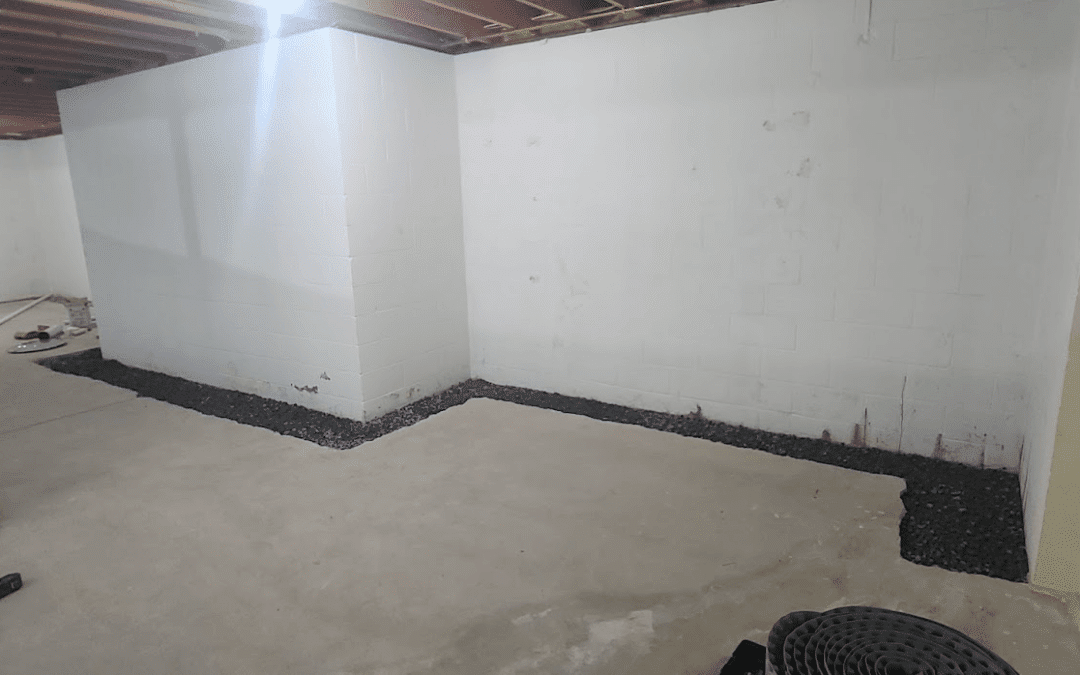 Effective waterproofing options include:
- Exterior Waterproofing Membranes: Barrier coatings and membranes.
- Interior Drainage Systems: Perimeter drains to collect and move water.
- Sump Pumps: Remove collected water from the basement.
Combined systems often provide the best protection.
How Do Interior Drainage Systems and Sump Pumps Protect Your Basement?
Interior drains collect incoming water and route it to a sump pump, which ejects water away from the home. Together they prevent standing water and reduce water-related damage.
What Are the Advantages of Basement Vapor Barriers and Mold Prevention?
Vapor barriers and mold-prevention steps offer:
- Moisture Control: Reduce dampness that feeds mold.
- Improved Air Quality: Less mold and dampness improves indoor air.
- Structural Protection: Limits moisture-related deterioration of materials.
These measures support a healthier basement environment.
When Should Homeowners Seek Professional Foundation Crack Repair Services?
Call a professional when:
- Cracks are Widening: Growth suggests active movement.
- Water Intrusion is Present: Any ongoing leaks or seepage require prompt attention.
- Structural Concerns: Signs of instability or settlement merit expert evaluation.
Professionals ensure correct diagnosis and durable solutions.
What Signs Indicate the Need for Expert Foundation Inspection?
Key warning signs:
- Visible Cracks: Large, horizontal, or widening cracks.
- Uneven Floors: Sloping or sagging floors suggest movement.
- Doors and Windows Sticking: Binding can indicate shifting frames or walls.
Early inspection helps limit repair scope and cost.
How Does Professional Repair Ensure Long-Term Structural Integrity?
Professionals use appropriate inspection, targeted repair methods, and suitable materials to address the root cause. Quality repairs and guidance on maintenance offer the best chance for long-term stability.







