When homeowners think about protecting their home from moisture, they often focus on the basement. However, one of the most overlooked areas in the home is also one of the most important when it comes to health and structural integrity: the crawl space.
A damp or unprotected crawl space can become a hidden source of moisture, mold, and poor air quality that affects the entire home. Because this area sits directly beneath the living space, any issues that develop there can quickly spread upward.
Understanding the benefits of crawl space waterproofing is essential for maintaining a healthy home environment and preventing long-term structural damage.
By addressing moisture at its source, homeowners can improve indoor air quality, protect their home’s foundation, and create a more comfortable living space.
Key Takeaways
- Crawl spaces are a major source of moisture and humidity in homes.
- Moisture in crawl spaces can lead to mold growth and poor air quality.
- Waterproofing helps prevent structural damage to wood and insulation.
- Encapsulation is one of the most effective long-term solutions.
- Controlling crawl space moisture improves overall home health.
Why Crawl Spaces Are Prone to Moisture Problems
Crawl spaces are especially vulnerable to moisture because of their location and construction.
Unlike basements, many crawl spaces have exposed soil floors, which allow moisture from the ground to evaporate directly into the air. This creates a constant source of humidity beneath the home.
Other factors that contribute to crawl space moisture include:
- groundwater seeping through foundation walls
- poor drainage around the home
- high outdoor humidity entering through vents
- condensation forming on cool surfaces
Because crawl spaces are often enclosed and poorly ventilated, this moisture becomes trapped and accumulates over time.
How Crawl Space Moisture Affects Indoor Air Quality
One of the most important reasons to address crawl space moisture is its impact on indoor air quality.
Due to the natural movement of air within a home, often referred to as the stack effect, air from the crawl space rises into the living areas above.
This means that:
- humid air from the crawl space enters the home
- mold spores can circulate throughout the house
- odors and contaminants spread into living spaces
In fact, a large percentage of the air inside a home can originate from the crawl space.
When that air is contaminated with moisture and mold, it can negatively affect the health and comfort of everyone in the home.
Mold Growth and Health Concerns
High humidity levels in crawl spaces create ideal conditions for mold growth.
Mold thrives in damp environments and can grow on materials such as:
- wooden beams and floor joists
- insulation
- subflooring
Once mold begins to grow, it releases spores into the air that can spread throughout the home.
Exposure to mold may lead to:
- allergy symptoms
- respiratory irritation
- sinus congestion
- worsening asthma
Because crawl spaces are often hidden, mold problems can go unnoticed until they become severe.
Structural Damage Caused by Crawl Space Moisture
Moisture does not only affect air quality. It can also damage the structural components of the home.
Wooden elements in the crawl space are especially vulnerable to moisture exposure.
Over time, excess humidity can lead to:
- wood rot in floor joists and beams
- weakened structural supports
- sagging or uneven floors
- deterioration of insulation
If left unaddressed, these issues can compromise the stability of the home and lead to costly repairs.
Increased Energy Costs and Comfort Issues
Crawl space moisture can also affect energy efficiency and overall comfort.
When humid air rises into the home, it can make indoor temperatures feel warmer in the summer and colder in the winter.
This forces heating and cooling systems to work harder to maintain comfortable conditions.
As a result, homeowners may experience:
- higher energy bills
- uneven indoor temperatures
- increased strain on HVAC systems
Controlling moisture in the crawl space helps improve energy efficiency and maintain consistent comfort levels.
What Is Crawl Space Waterproofing?
Crawl space waterproofing involves implementing solutions designed to prevent moisture from entering and accumulating in the crawl space.
The goal is to create a dry, controlled environment that protects both the structure of the home and indoor air quality.
Unlike temporary fixes, professional waterproofing addresses the root causes of moisture problems.
The Role of Crawl Space Encapsulation
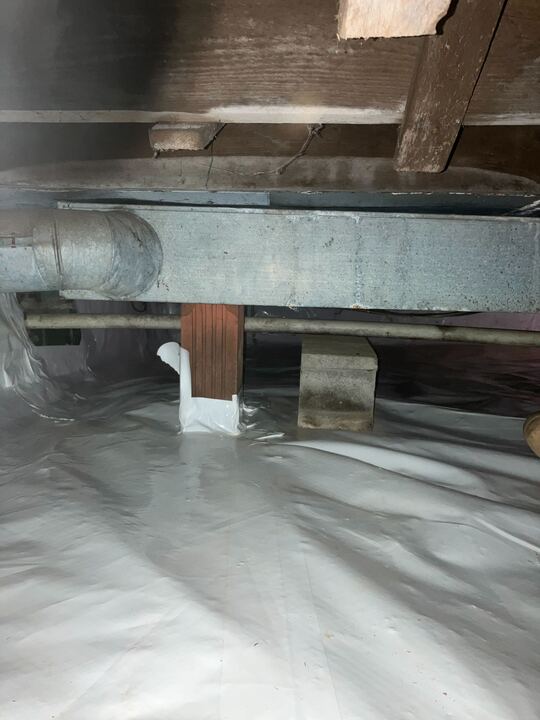
One of the most effective crawl space waterproofing methods is encapsulation.
Encapsulation involves sealing the crawl space to prevent moisture from entering and to control humidity levels.
This process typically includes:
- installing a heavy-duty vapor barrier over the soil
- sealing walls and foundation vents
- insulating the crawl space
- installing a dehumidification system
Encapsulation transforms the crawl space into a controlled environment, significantly reducing moisture and humidity.
How Waterproofing Prevents Mold and Moisture Issues
By eliminating moisture sources, crawl space waterproofing prevents the conditions that allow mold to grow.
A properly sealed and controlled crawl space:
- blocks moisture from the ground
- reduces humidity levels
- prevents condensation
- limits mold growth
This not only protects the crawl space but also improves the overall health of the home.
Long-Term Benefits of Crawl Space Waterproofing
Investing in crawl space waterproofing provides long-term benefits that extend beyond moisture control.
These include:
- improved indoor air quality
- reduced risk of mold growth
- protection of structural components
- increased energy efficiency
- enhanced home value
Homeowners who address crawl space moisture early can avoid costly repairs and maintain a healthier living environment.
Why Professional Solutions Matter
While some homeowners attempt DIY solutions, crawl space moisture problems often require professional expertise.
Waterproofing professionals assess:
- soil conditions
- drainage issues
- humidity levels
- structural concerns
This allows them to design a customized solution that addresses the specific needs of the home.
Professional installation ensures that waterproofing systems perform effectively and provide long-term protection.
Conclusion
Crawl space moisture is a hidden but significant issue that can impact both the health of a home and its occupants.
From mold growth and poor air quality to structural damage and increased energy costs, the effects of an unprotected crawl space can be far-reaching.
Understanding why crawl space waterproofing is critical for home health helps homeowners recognize the importance of addressing moisture at its source.
Professional waterproofing solutions, particularly encapsulation, provide an effective way to control moisture, improve indoor air quality, and protect the long-term integrity of the home.
Taking action early ensures a safer, healthier, and more comfortable living environment.
FAQs
Does crawl space moisture affect indoor air quality?
Yes. Air from the crawl space rises into the home, carrying humidity and contaminants with it.
What is crawl space encapsulation?
Encapsulation is a process that seals the crawl space to prevent moisture intrusion and control humidity levels.
Is crawl space waterproofing necessary?
Yes. Waterproofing helps prevent mold growth, structural damage, and poor air quality.
How long does crawl space waterproofing last?
When professionally installed, crawl space waterproofing systems can provide long-term protection for many years.