Crawl spaces are often out of sight and out of mind for many homeowners. Because they are not commonly used living areas, problems can develop slowly without being noticed until they begin affecting other parts of the home.
Moisture, humidity, and poor air quality often start in the crawl space and gradually spread upward. By the time visible signs appear inside the home, the issue may already be significant.
Recognizing the signs you need crawl space encapsulation can help you address problems early and prevent long-term damage.
Encapsulation is one of the most effective solutions for controlling crawl space moisture, but knowing when it is necessary is the first step toward protecting your home.
Key Takeaways
- Crawl space issues often go unnoticed until damage occurs.
- Moisture and humidity are the main warning signs.
- Mold, odors, and structural changes indicate serious problems.
- Encapsulation helps seal and control the crawl space environment.
- Early action prevents costly repairs and health risks.
Persistent Musty Odors in the Home
One of the most common and noticeable signs of crawl space moisture problems is a persistent musty smell.
These odors are often caused by mold, mildew, or damp materials in the crawl space.
Because air from the crawl space rises into the home, these smells can spread throughout living areas, even if the crawl space itself is rarely accessed.
If your home consistently smells damp or earthy, especially after rain or during humid weather, it may indicate that moisture is present beneath the home.
High Humidity Levels Indoors
Excess humidity inside the home is another strong indicator of crawl space issues.
When moisture accumulates in the crawl space, it can raise humidity levels throughout the house.
Signs of high humidity include:
- sticky or uncomfortable indoor air
- condensation on windows
- difficulty maintaining consistent temperatures
- increased reliance on air conditioning
If indoor humidity remains high despite using HVAC systems, the crawl space may be contributing to the problem.
Visible Mold Growth
Mold is one of the clearest signs that moisture is present in the crawl space.
Homeowners may notice mold growth on:
- floor joists and wooden beams
- insulation
- subflooring
- stored materials
Mold may appear as black, green, or gray spots and often develops in areas with limited airflow.
Even if mold is only visible in small areas, it can spread quickly if moisture is not controlled.
Standing Water or Damp Soil
One of the most serious warning signs is the presence of standing water or consistently damp soil in the crawl space.
This may be caused by:
- poor drainage around the home
- groundwater seepage
- plumbing leaks
- heavy rainfall accumulation
Standing water creates an ideal environment for mold growth and can lead to significant structural damage if left unaddressed.
Encapsulation helps prevent water from entering and controls moisture levels effectively.
Sagging or Uneven Floors
Structural changes inside the home can also indicate crawl space problems.
When moisture affects wooden supports beneath the home, it can weaken these materials over time.
This may result in:
- sagging floors
- uneven walking surfaces
- creaking or shifting floorboards
These symptoms suggest that the crawl space structure may be compromised due to prolonged moisture exposure.
Increased Pest Activity
Moist crawl spaces can attract pests such as insects and rodents.
Damp environments provide ideal conditions for pests to thrive, especially when organic materials are present.
Signs of pest activity include:
- droppings in the crawl space
- unusual sounds beneath the floor
- visible insect infestations
Encapsulation helps create a sealed environment that is less attractive to pests.
Rising Energy Bills
Crawl space moisture can also affect your home’s energy efficiency.
When humid air rises into the home, it can make indoor temperatures feel warmer or cooler than they actually are.
This forces HVAC systems to work harder, leading to:
- increased energy consumption
- higher utility bills
- inconsistent indoor temperatures
Encapsulation helps regulate temperature and improve energy efficiency.
Peeling Insulation or Deteriorating Materials
Moisture in the crawl space can damage insulation and other materials over time.
Homeowners may notice:
- insulation falling or sagging
- damp or compressed insulation
- wood showing signs of rot
These issues reduce the effectiveness of insulation and can lead to further structural problems.
Why Encapsulation Is the Best Solution
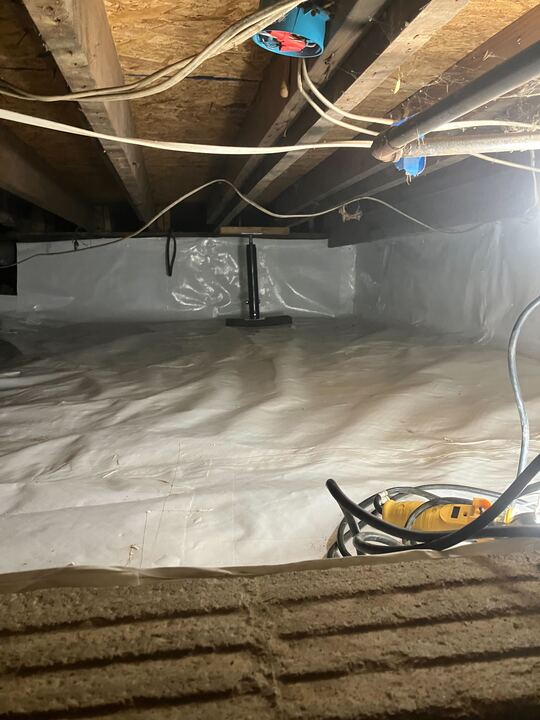
Crawl space encapsulation is designed to address the root cause of these problems by sealing the space and controlling moisture.
A typical encapsulation system includes:
- a heavy-duty vapor barrier covering the ground
- sealed walls and vents
- insulation improvements
- a dehumidification system
This approach creates a controlled environment that prevents moisture from entering and reduces humidity levels.
Long-Term Benefits of Crawl Space Encapsulation
Encapsulation provides long-term protection for both the structure of the home and indoor air quality.
Benefits include:
- reduced mold growth
- improved air quality
- protection of structural materials
- increased energy efficiency
- enhanced home value
By addressing crawl space moisture early, homeowners can avoid more serious and costly issues.
When to Call a Professional
If you notice any of the signs mentioned above, it is important to seek a professional evaluation.
Waterproofing specialists can assess the crawl space and recommend the most effective solution based on the specific conditions of your home.
Professional installation ensures that encapsulation systems function properly and provide long-term results.
Conclusion
Crawl space problems often develop slowly, but their impact can be significant. From musty odors and mold growth to structural damage and rising energy costs, the signs of moisture issues should not be ignored.
Understanding the signs you need crawl space encapsulation allows homeowners to take action before small issues become major problems.
Encapsulation provides a reliable solution by sealing the crawl space, controlling moisture, and improving the overall health of the home.
Taking proactive steps to address crawl space conditions helps protect your home’s structure, improve air quality, and create a more comfortable living environment.
FAQs
What are the first signs I need crawl space encapsulation?
Musty odors, high humidity, and visible mold are often early indicators of crawl space problems.
Is crawl space encapsulation worth it?
Yes. Encapsulation helps prevent moisture damage, improve air quality, and increase energy efficiency.
Can crawl space moisture affect my floors?
Yes. Moisture can weaken wooden supports, leading to sagging or uneven floors.
How long does encapsulation last?
When professionally installed, encapsulation systems can provide long-term protection for many years.