
A dry, secure basement protects a home’s structure and limits costly repairs from water intrusion. This concise guide covers practical DIY waterproofing maintenance: routine inspections, drainage upkeep, crack sealing, grading, sump pumps, vapor barriers, and when to call a pro. For more detailed selection guidance, see choosing the right basement waterproofing services.
Key Takeaways
- Regular inspections twice a year help detect early signs of basement water intrusion and prevent costly damage.
- Cleaning gutters and downspouts ensures proper drainage and reduces the risk of water accumulation near foundations.
- Sealing foundation cracks with epoxy or polyurethane prevents moisture entry and maintains a watertight barrier.
- Proper grading slopes soil away from the home to direct water flow and protect the foundation from pooling.
- Installing sump pumps in flood-prone areas effectively removes excess water and prevents basement flooding.
- Vapor barriers control basement humidity by blocking moisture seepage through walls and floors.
- Documenting waterproofing maintenance activities helps track repairs and supports future home assessments or sales.
- Professional assessment is necessary for persistent dampness, large cracks, or mold growth beyond DIY repair capabilities.
- Using appropriate tools and quality waterproofing products enhances the effectiveness of DIY basement maintenance efforts.
Start with Regular Inspections

One of the simplest yet most effective ways to protect your basement is by inspecting it regularly. Ideally, you should check your basement at least twice a year, especially during the spring and fall when moisture levels tend to fluctuate.
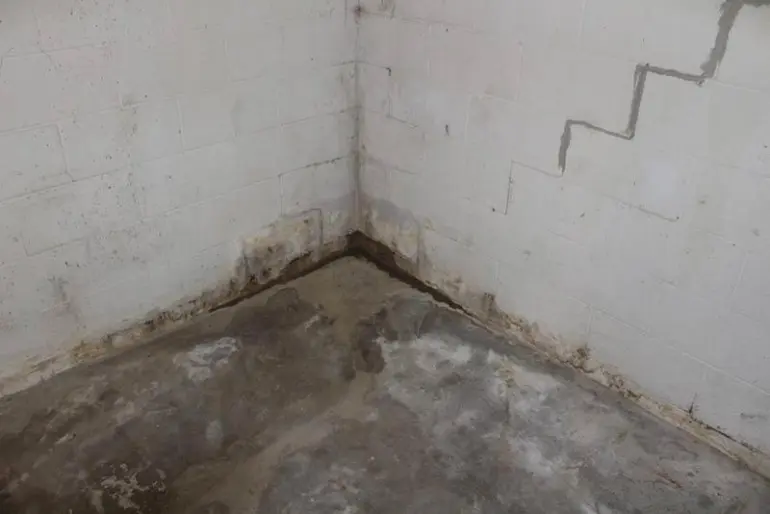
During these inspections, look for signs such as damp spots, water stains, musty odors, or early mold growth. These subtle indicators often appear before more serious issues develop. By identifying them early, you can avoid expensive repairs and maintain a healthier living environment.
Keep Drainage Systems Working Properly
Water problems often begin outside the home. When gutters, downspouts, or exterior drainage systems are clogged or poorly positioned, water can accumulate near the foundation and eventually seep inside.
Keeping these systems clean and functional is essential. Make sure gutters are free of debris and that downspouts direct water at least several feet away from your home. Proper drainage significantly reduces hydrostatic pressure against foundation walls, one of the main causes of basement leaks.
Seal Cracks Before They Become Bigger Problems
Foundation cracks are one of the most common entry points for water. Even small cracks can allow moisture to seep in over time, especially during heavy rain or when groundwater levels rise.
For minor cracks, homeowners can use epoxy or polyurethane sealants to create a watertight barrier. It’s important to clean and dry the area before applying any product to ensure proper adhesion. Regular monitoring is also key, as cracks can expand if underlying structural issues are present.
Improve Grading Around Your Home
The slope of the soil around your foundation plays a major role in how water flows. If the ground is level or slopes toward your home, water will naturally collect near the foundation.
To prevent this, the soil should slope away from the house, ideally with a drop of about six inches over the first ten feet. This simple adjustment can make a significant difference in keeping water away from your basement and reducing long-term moisture issues.
Use a Sump Pump for Extra Protection
For homes in areas prone to heavy rainfall or high groundwater levels, a sump pump is one of the most effective tools for preventing basement flooding.
Installed at the lowest point of the basement, a sump pump collects and removes excess water before it can accumulate. However, installation alone is not enough. Regular testing, cleaning the pit, and ensuring the discharge line is clear are all essential to keep the system functioning properly when you need it most.
Control Humidity with Vapor Barriers

Even if water is not visibly entering your basement, humidity can still create problems. High moisture levels in the air can lead to condensation, mold growth, and a generally damp environment.
Installing vapor barriers on basement walls and floors helps block moisture from entering the space. When combined with proper ventilation or a dehumidifier, vapor barriers can significantly improve indoor air quality and reduce the risk of mold.
Know When DIY Isn’t Enough
While DIY waterproofing maintenance can go a long way, it’s important to recognize its limits. Some issues require professional expertise, especially when structural damage or persistent moisture is involved.
If you notice large or widening cracks, ongoing dampness despite repairs, or visible mold that keeps returning, it’s time to consult a professional. Waterproofing specialists can identify the root cause of the problem and provide long-term solutions that go beyond surface-level fixes.
Final Thoughts
Maintaining a dry basement doesn’t have to be complicated, but it does require consistency. Regular inspections, proper drainage, crack sealing, and moisture control all work together to protect your home from water damage.
By taking a proactive approach and knowing when to call in experts, homeowners can extend the life of their foundation, improve indoor air quality, and avoid costly repairs down the line.
Frequently Asked Questions
What are the best practices for maintaining a sump pump?
Test monthly, clear debris, check power and float switch, clean the pit, and consider backup power for outages.
How can I improve drainage around my home?
Keep gutters/downspouts clear, extend discharge away from the foundation, and use swales, French drains, or dry wells where needed.
What should I do if I find mold in my basement?
Eliminate moisture first, wear protective gear, clean small areas with detergent or a commercial mold cleaner, and hire professionals for large or persistent infestations.
How often should I check my basement for water damage?
Inspect at least twice a year—spring and fall—and more often after heavy rain or flooding events.
What are the benefits of using vapor barriers in my basement?
Vapor barriers limit moisture migration, lower humidity, protect insulation, and help prevent mold when installed with sealed seams.
How can I tell if my foundation needs professional repair?
Large or growing cracks, foundation movement, sticking doors/windows, or uneven floors indicate a need for professional evaluation.
What are the long-term effects of ignoring basement waterproofing?
Ignoring waterproofing can cause structural deterioration, mold growth, damaged belongings, health risks, and reduced property value.