Skip to content
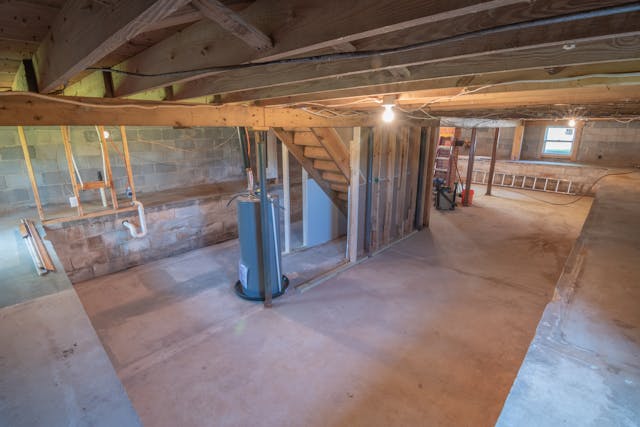

 Water coming up through your basement floor can feel scary. One day your basement is dry. The next day, you see water pooling or damp spots on the floor. Many homeowners in Milwaukee deal with this problem, especially after heavy rain or snowmelt.
This issue does not mean your home is beyond repair. It usually points to a water pressure problem under your home. When you understand what causes it, you can take the right steps to fix it and prevent it from coming back.
Article Summary
- Why water comes up through basement floors
- How hydrostatic pressure works
- Why Milwaukee homes deal with this more often
- Signs the problem is getting worse
- Common causes under your home
- What this means for your foundation
- What homeowners should do next
- When to call a waterproofing expert
1. Why Water Comes Up Through Basement Floors
Water does not just appear out of nowhere. It builds up under your home and finds a way inside.
Your basement sits below ground level. When soil around your home gets soaked with water, that water pushes against your foundation. If the pressure gets strong enough, water will come up through cracks, joints, or even solid concrete.
This is one of the most common basement water problems in the Milwaukee area.
2. What Is Hydrostatic Pressure?
Hydrostatic pressure is the main reason this happens.
When soil fills with water, it becomes heavy and dense. That water creates pressure against your basement floor and walls. Over time, the pressure builds up and looks for the easiest way to escape.
That escape path is often:
- Small cracks in the floor
- The joint where the wall meets the floor
- Gaps around pipes or drains
Even a tiny opening can let water in when pressure is high.
3. Why Milwaukee Homes See This Problem More
Milwaukee homes deal with this issue more than many other areas.
Here’s why:
Clay-heavy soil
Clay soil holds water longer than other soil types. It does not drain well. This means water sits around your foundation instead of moving away. If you want a deeper look at how this impacts homes in the area, you can read more about it in this guide on Milwaukee clay soil and waterproofing,
Heavy rain and snowmelt
Spring thaw and strong storms can quickly saturate the ground. This increases pressure under your basement.
Older homes
Many homes in Milwaukee were built decades ago. Over time, foundations shift and small cracks form. These openings allow water to enter.
4. Common Causes of Water Coming Through the Floor
Several issues can lead to water coming up through your basement floor.
1. Poor Drainage Around the Home
If water is not directed away from your home, it builds up around the foundation. This increases pressure under the slab.
2. Failing or Missing Drain Tile System
A drain tile system is designed to collect water and move it away from your basement. When it fails or gets clogged, water has nowhere to go. If you’re not familiar with how these systems work, this breakdown of what drain tile does explains it in simple terms: What Does Drain Tile Do?
3. Cracks in the Basement Floor
Concrete can crack over time. Even small cracks can let water through when pressure builds.
4. Weak Floor-to-Wall Joint
The joint where your wall meets the floor is a common entry point. Water often shows up along the edges of your basement.
5. High Water Table
After long periods of rain, the water table can rise. This puts constant pressure under your home.
5. Signs the Problem Is Getting Worse
It is important to catch this early. Small signs often show up before major flooding.
Watch for:
- Damp spots on the floor
- Water pooling after rain
- White powder on concrete (efflorescence)
- Musty smells
- Peeling paint or flooring damage
If you are seeing multiple signs, the problem is likely growing.
6. What This Means for Your Foundation
Water under your basement is not just a surface problem. It can affect your foundation over time.
Constant moisture can:
- Weaken concrete
- Widen cracks
- Lead to mold growth
- Increase pressure on foundation walls
If left untreated, small water issues can turn into larger structural concerns. This is why early action matters.
7. What Homeowners Should Do Next
If you see water coming through your basement floor, start with a few simple steps.
Check your gutters and downspouts
Make sure water is directed away from your home.
Look for visible cracks
Take note of where water is entering.
Avoid quick DIY fixes
Sealants and coatings may hide the problem, but they do not stop the pressure causing it.
Monitor after rain
Pay attention to when the issue happens. This helps identify the cause.
8. When to Call a Waterproofing Expert
If water keeps coming back, it is time to bring in a professional basement waterproofing company.
A proper solution usually involves:
- Relieving pressure under the floor
- Installing or repairing a drain tile system
- Managing water before it enters your basement
Every home is different. A full inspection helps find the root cause and the best fix. If you want to understand how these systems are installed and how they solve water problems, this guide on how basement waterproofing works gives a clear overview: How Does Basement Waterproofing Work?
Final Thoughts
Water coming up through your basement floor is a sign of pressure building under your home. It is common in Milwaukee, but it should not be ignored.
The good news is that this problem can be fixed. With the right approach, you can keep your basement dry and protect your foundation for years to come.
If you are dealing with water in your basement, Zablocki Waterproofing has helped homeowners across Milwaukee and Southeast Wisconsin since 1985. From drain tile systems to full Milwaukee basement waterproofing solutions, we understand what local homes need. Reach out to us to schedule an inspection and get clear answers on the next steps.