Skip to content
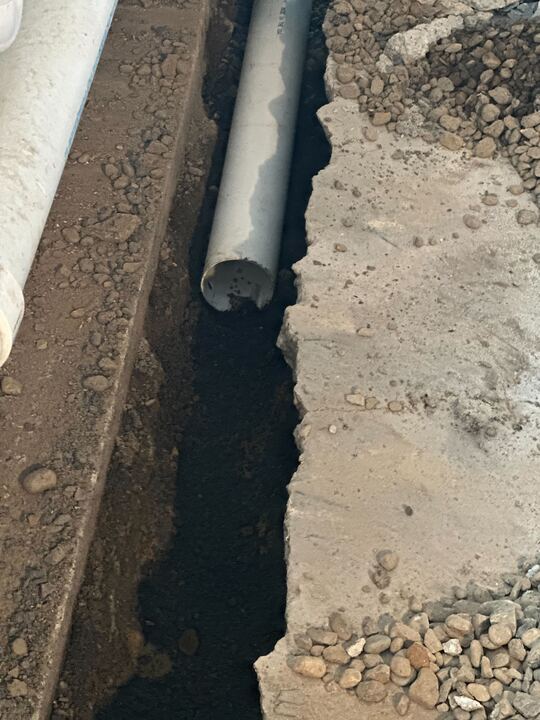
Ever come home to a flooded basement and wonder why it keeps happening? The usual culprits are rising groundwater, heavy rains, or even plumbing failures. But don’t despair, there are effective solutions to your soggy predicament. Methods range from installing sump pumps and French drains, to regular maintenance checks on your gutters and foundation. It’s about time you reclaim your basement from the clutches of unwelcome water. Stay with me as we explore more on the causes and how to put an end to this headache once and for all.
Key Takeaways
- Basements often flood due to rising groundwater levels, heavy rainfall, poor soil absorption, snowmelt, or plumbing failures.
- Signs of a flooding basement include water stains, musty odors, cracks in walls or floors, frequent dehumidifier use, and standing water.
- Poor drainage systems can lead to soil erosion, pest infestations, structural damage, mold growth, and water pooling around foundations.
- Waterproofing techniques such as interior sealing, exterior drainage systems, sump pumps, French drains, and vapor barriers can help prevent flooding.
- Regularly check sump pumps, maintain gutters, inspect seals and joints, monitor for cracks, and schedule professional inspections to prevent flooding.
Understanding Basement Flooding Causes
To tackle the problem of basement flooding, you first need to understand its causes. Two prominent factors contributing to this issue are groundwater levels and heavy rainfall.
Now, you might be wondering how groundwater levels can cause a basement to flood. It’s simple. When groundwater levels rise, they can seep into your basement through any cracks or holes in the foundation. It’s just like when you’re in a boat with a tiny hole; water will find its way in.
Heavy rainfall is another major culprit, especially if your home’s drainage system isn’t up to par. If rainwater can’t be efficiently diverted away from your home, it can accumulate around your foundation. This excess water can then seep into your basement, causing a flood.
Common Signs of a Flooding Basement
Now that you’ve got a grip on the causes of basement flooding, it’s time to spot the warning signs. The first sign is usually water stains on your basement walls or floors. They can range from small, damp patches to large, discolored areas. If you’re seeing these stains, it likely means water is seeping in somewhere. Don’t ignore them!
Next, be alert to musty odors. This unpleasant smell is a telltale sign of mold and mildew, which thrives in damp environments. If your basement smells musty, there’s a good chance it’s too wet.
Also, watch out for cracks in your basement walls or floor. While some cracking is normal due to settling, large or growing cracks can indicate a serious water problem.
Lastly, if you’re constantly running a dehumidifier in your basement, it’s a sign that there’s too much moisture. While it’s not evidence of flooding per se, it does suggest that your basement is prone to it.
Impact of Poor Drainage Systems
Without an effective drainage system in place, your basement stands a high risk of flooding. Poor drainage can cause a host of problems, from mildew and mold growth to severe structural damage.
Here’s how a poor drainage system impacts your basement:
- It contributes to soil erosion. If water isn’t directed away from your home, it can wash away the soil, leading to uneven ground or even foundation issues.
- It leads to standing water. This not only damages your property but also provides a breeding ground for mosquitos and other pests.
- It results in water seepage. Without proper drainage solutions, water can seep through walls and floors, causing damage over time.
- It can cause mold and mildew. Damp conditions are the perfect breeding ground for these harmful organisms.
- It affects soil grading. Proper soil grading is essential for effective drainage. If the soil around your home isn’t graded correctly, water can pool around the foundation, leading to potential damage.
Effective Waterproofing Techniques
Given the potential damage caused by poor drainage systems, it’s clear that basement waterproofing isn’t a task to be overlooked. It’s vital you understand what effective waterproofing techniques entail to protect your home from potential flooding.
Firstly, interior sealing is vital. This involves applying sealants on basement walls and floors, creating a water barrier. This technique is best for minor condensation issues, not major leaks.
Secondly, exterior drainage is another essential technique. It’s used to prevent water from making its way into your basement. This method involves installing a drain outside your home, effectively carrying water away from your foundation.
Here’s a simple table to visually compare these techniques:
| Technique | Use Case | Effectiveness |
|---|---|---|
| Interior Sealing | Minor condensation | Good for small-scale issues |
| Exterior Drainage | Major leaks | Best for larger-scale problems |
Maintenance Tips to Prevent Flooding
Regularly inspecting and maintaining your home’s waterproofing systems can considerably reduce the risk of basement flooding.
Your home’s defense against water is only as strong as its weakest link, so it’s essential to guarantee all components, including sump pumps and gutters, are in top shape.
Here are some simple maintenance tips to keep your basement dry:
- Check your sump pump regularly: Make sure it’s functioning correctly, especially before heavy rainstorms. A failing sump pump could leave your basement vulnerable to flooding.
- Gutter maintenance is key: Clean your gutters and downspouts regularly to guarantee they’re not clogged with leaves or debris. Blocked gutters can cause water to overflow and pool around your home’s foundation.
- Inspect seals and joints: Look for any potential weak points where water might seep in.
- Regularly check for cracks: Small cracks in your basement walls or floor can quickly become big problems if not addressed promptly.
- Consider professional inspections: A professional can identify potential issues you mightn’t notice and provide advice on preventative measures.
Frequently Asked Questions
What Is the Average Cost of Repairing a Flooded Basement?
You’re probably wondering about the average cost of repairing a flooded basement.
It’s not a straightforward answer because it depends on the extent of the flood damage. However, generally you can expect a range of $500 to $10,000.
Minor repairs might cost less, but extensive damage could rack up a hefty bill.
Does Home Insurance Typically Cover Basement Flooding Damages?
Yes, home insurance can cover basement flooding damages, but it’s not always assured.
It largely depends on your policy’s specifics. Standard home insurance policies usually don’t include flood coverage.
You’ll typically need to purchase additional flood policies for this protection.
It’s essential to thoroughly review your insurance coverage to guarantee you’re protected.
If you’re unsure, consult with your insurance provider to clarify what’s included and what’s not.
Can a Continuously Flooded Basement Affect the Overall Structure of My House?
Yes, a continuously flooded basement can indeed affect the overall structure of your house.
The constant moisture accumulation weakens your home’s foundation integrity. Over time, this can lead to cracks and instability, posing a serious risk.
It’s essential you address the issue promptly to prevent severe structural damage. Find the source of the water intrusion and take action.
It’s not just about keeping your basement dry, it’s about protecting your home’s structural health.
Are There Professional Services That Can Help Prevent Future Basement Floods?
Yes, there are professional services available that can help you prevent future basement floods.
They’ll assess your situation, recommend effective drainage solutions, and implement waterproofing techniques tailored to your needs.
You’ll not only protect your basement from water damage, but also increase the longevity of your house structure.
It’s an investment that’ll pay off in the long run.
Is There Any Health Risk Associated With a Frequently Flooded Basement?
Yes, there’s a significant health risk with a frequently flooded basement.
The constant dampness promotes mold growth, which can lead to respiratory issues and allergies. Mold spores can rapidly multiply and compromise your home’s air quality.
It’s crucial to address the flooding issue promptly to prevent these health risks.
Make certain your basement is dry and well-ventilated to inhibit mold growth and maintain good air quality.
Conclusion
You’ve got the power to stop your basement from flooding. Understand the causes, keep an eye out for common signs, and tackle poor drainage. Waterproofing techniques like sump pumps, French drains, and vapor barriers can be game-changers. But, don’t forget regular maintenance. By checking gutters and inspecting for cracks, you can prevent future floods. Remember, a dry basement isn’t just comfortable, it’s essential for the health of your home.