Skip to content
Experiencing humidity in your basement can be frustrating, especially when there are no visible leaks. This issue often stems from various underlying causes that can lead to significant moisture problems. Understanding these causes is crucial for effective moisture control and maintaining a healthy living environment. In this article, we will explore the common reasons behind basement humidity, effective detection methods, and waterproofing solutions that can help mitigate these issues. We will also discuss how proper ventilation and air circulation can improve humidity control in your basement.
What Are the Common Causes of Basement Humidity Without Visible Leaks?
Basement humidity can arise from several factors, even in the absence of visible leaks. High indoor humidity levels, poor insulation, and limited airflow are common culprits. Additionally, hydrostatic pressure from the surrounding soil can push moisture through foundation cracks or porous materials, contributing to dampness. Understanding these causes is essential for implementing effective moisture control strategies.
How Does Poor Ventilation Contribute to Basement Moisture?
Poor ventilation significantly impacts humidity levels in basements. When air circulation is limited, moisture from everyday activities, such as cooking and showering, can accumulate. This trapped moisture leads to condensation on surfaces, creating an environment conducive to mold growth. Ensuring adequate ventilation can help mitigate these effects and maintain a healthier basement environment.
What Hidden Moisture Sources Increase Basement Humidity?
Hidden moisture sources can also contribute to high humidity levels in basements. Foundation cracks, for instance, can allow water to seep in unnoticed. Additionally, poor drainage systems can lead to water pooling around the foundation, increasing humidity. Crawlspaces that are not properly sealed or ventilated can also harbor moisture, further exacerbating the problem. Identifying these hidden sources is crucial for effective moisture management.
Research further emphasizes the critical impact of crawl space conditions on overall indoor air quality and moisture control.
Crawl Space Humidity, Mould, and Indoor Air Quality Control
The relative humidity of the air in crawl spaces is the most critical factor concerning mould growth in the structures of a crawl space. Possible contamination in the crawl space might be transported indoors if the pressure inside the apartment is lower. The objective of the study was to find out the important properties of ground covers and the optimal air change rates for the controlling of moisture conditions in an outdoor air-ventilated crawl space in a cold climate and to estimate the acceptability of current moisture conditions in respect of material durability. In addition, factors affecting the transport indoors of possible pollutants from crawl spaces were studied.
Moisture and fungal spore transport in outdoor air-ventilated crawl spaces in a cold climate, M Airaksinen, 2003
 How Can You Detect and Monitor Basement Moisture Effectively?

Detecting and monitoring moisture levels in your basement is vital for preventing long-term damage. Regular inspections and humidity monitoring can help identify potential issues before they escalate. Visual checks for signs of dampness, such as peeling paint or mold growth, are also essential in maintaining a dry basement.
What Are the Signs of Hidden Basement Moisture?
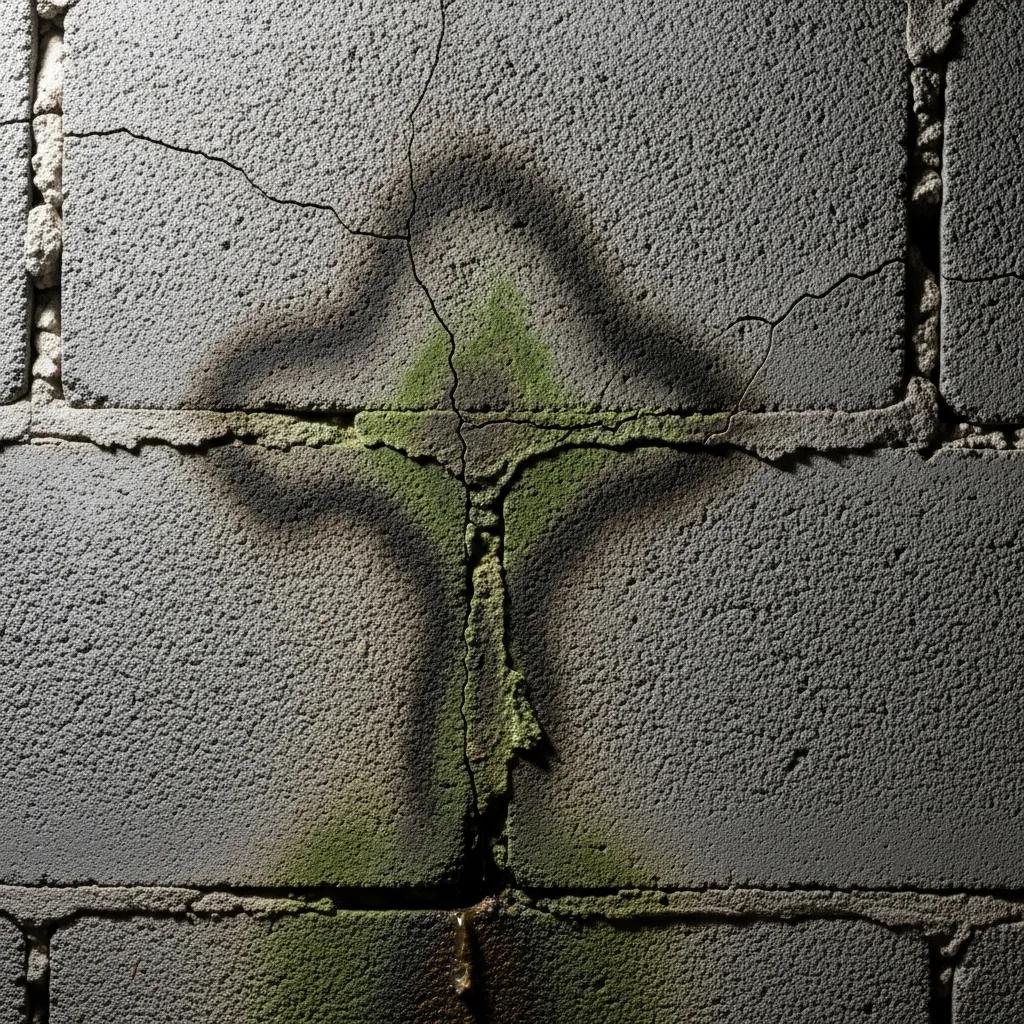
Several signs can indicate hidden moisture in your basement. Persistent dampness on walls or floors, musty odors, and white powdery residue (efflorescence) are common indicators. Recognizing these signs early can help you take action to address moisture issues before they lead to more significant problems.
Which Advanced Moisture Detection Technologies Are Available?
Advanced moisture detection technologies can provide valuable insights into basement humidity levels. Tools such as moisture meters, infrared cameras, and thermal imaging devices can help identify moisture sources and monitor levels effectively. Utilizing these technologies can enhance your ability to manage basement humidity proactively.
What Basement Waterproofing Methods Help Reduce Humidity?
Effective waterproofing methods are essential for reducing humidity in basements. These methods include interior waterproofing systems, exterior waterproofing solutions, and vapor barriers. Each approach offers unique benefits and can be tailored to meet specific needs.
How Do Interior Drainage Systems and Vapor Barriers Work?
Interior drainage systems and vapor barriers work together to manage moisture effectively. Interior drainage systems collect water that seeps into the basement and direct it to a sump pump, preventing flooding. Vapor barriers, on the other hand, block moisture from entering the basement through walls and floors, significantly reducing humidity levels. Together, these systems create a comprehensive moisture control solution.
What Customized Waterproofing Plans Does AquaGuard Offer?
AquaGuard Waterproofing specializes in customized waterproofing plans designed to address specific moisture issues. Their services include tailored solutions that incorporate interior drainage systems, vapor barriers, and foundation sealing. By assessing your unique situation, AquaGuard can develop a plan that effectively mitigates humidity and protects your basement from future moisture problems.
How Do Ventilation and Air Circulation Improve Basement Humidity Control?
Proper ventilation and air circulation play a crucial role in controlling humidity levels in basements. By improving airflow, you can reduce the likelihood of condensation and mold growth, creating a healthier environment.
What Basement Ventilation Solutions Are Most Effective?
Several effective ventilation solutions can help improve air circulation in your basement. Mechanical ventilation systems, such as heat recovery ventilators (HRVs) and energy recovery ventilators (ERVs), as well as crawlspace encapsulation, are popular options that enhance airflow and reduce humidity. These systems work by actively exchanging stale, humid air with fresh air, helping to maintain optimal humidity levels.
How Does Proper Air Circulation Prevent Mold and Dampness?
Proper air circulation is essential for preventing mold and dampness in basements. By ensuring that air flows freely, you can reduce humidity levels and minimize the risk of mold growth. This proactive approach not only improves indoor air quality but also protects your home from potential damage caused by excess moisture.