You’ve probably considered several ways to future-proof your home, but have you thought about starting with your basement? Water damage can be a silent, lurking threat that, if not addressed, can lead to costly repairs down the line. By waterproofing your basement, you’re not just guarding against immediate issues like mold and mildew, but you’re also bolstering the long-term structural integrity of your home. Intrigued? There’s a lot more to the value of basement waterproofing that you might not have considered yet.
Key Takeaways
- Waterproofing prevents water damage, protecting your home’s structure and increasing its resilience and durability.
- It reduces risks of mold growth and health hazards, promoting a healthier living environment in your basement.
- Waterproofing your basement can enhance its energy efficiency, reducing utility costs and contributing to a lower carbon footprint.
- The investment in waterproofing can lead to significant savings in the long-term by avoiding costly future repairs and maintenance costs.
- Using professional waterproofing methods like interior drainage, exterior barriers, and sump pumps will effectively future-proof your basement against water damage.
Understanding Basement Waterproofing
While you may not think about it often, waterproofing your basement is an essential step in future-proofing your home.
It’s not just about preventing water damage; it’s also about creating a healthier living environment. A dry basement can help eliminate the risk of mold and mildew, which can lead to health problems.
There are a few key components to waterproofing your basement. First, you’ll want to look at basement drainage systems. These systems redirect water away from your home, ensuring it doesn’t seep into your basement.
They’re a vital part of any effective waterproofing plan.
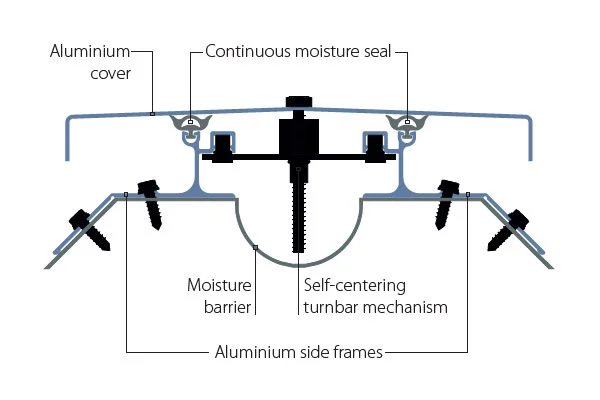
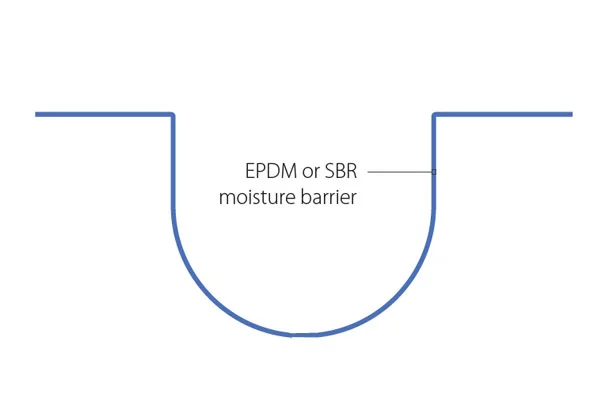
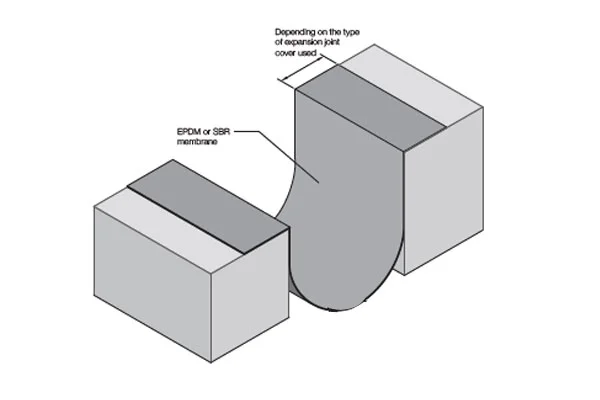
Next, you’ll need to take into account moisture barriers. These barriers are often put in place during construction, but you can also have them installed in an existing home.
They work by preventing moisture from penetrating your basement walls.
The Risks of a Wet Basement
You mightn’t realize the dangers lurking in a wet basement.
From health hazards due to dampness to potential structural damage and even rising energy costs, it’s a risk you can’t afford to ignore.
Health Hazards From Dampness
It’s a common misconception that a damp basement is merely an inconvenience. In reality, the damp conditions in your basement can have serious health implications. One of the most immediate risks is mold growth. The spores produced by mold can cause respiratory issues, especially in people with asthma or allergies.
Along with mold, dampness can increase your exposure to allergens. Dust mites, for example, thrive in humid environments and can trigger allergies and asthma.
Pest infestations are another unpleasant consequence of a wet basement. Rodents and insects are attracted to damp areas, and their droppings can further worsen air quality.
Beyond the physical health risks, a damp basement can also cause emotional stress. Constantly worrying about property damages and potential health issues can take a mental toll.
Imagine living with the perpetual fear of a flooded basement every time it rains. It’s not just about the inconvenience but about the potential health risks lurking in the dampness.
Structural Damage Concerns
Beyond the health hazards, a damp basement also poses serious threats to your home’s structural integrity. You mightn’t realize it, but continuous exposure to moisture can lead to cracking walls and foundation settlement. These aren’t minor issues you can ignore; they’re serious damage concerns that can compromise the safety of your home.
Cracking walls are more than just unsightly. They’re a telltale sign of an unstable foundation. Over time, water seepage can weaken your walls, causing them to crack. If left untreated, these cracks can grow, threatening the overall strength of your home.
Foundation settlement is another major risk. It’s a process where your home’s foundation sinks into the ground, often unevenly. This happens when the soil around your home becomes overly saturated and loses its ability to support the weight of your house. The result? Your home may start to lean or even collapse.
In a nutshell, a wet basement is more than a nuisance. It’s a ticking time bomb that can wreak havoc on your home’s structure. So, it’s imperative to waterproof your basement to prevent these issues and future-proof your home.
Escalating Energy Costs
A damp basement not only jeopardizes your home’s structure but also acts as an energy vampire, escalating your home’s energy costs. It’s a hidden issue, often overlooked in budget planning, yet with significant financial impact. The excess moisture might lead to insulation degradation, forcing your heating and cooling systems to work overtime. This reduced energy efficiency results in rising expenses, a strain on your monthly budget.
When you waterproof the basement as part of your home improvements, you’re fundamentally investing in energy efficiency. The subsequent insulation upgrades help in maintaining the desired temperature, resulting in utility savings. This is an essential move in keeping up with the climate impact, as well. A dry, well-insulated basement means less energy consumption, translating into a smaller carbon footprint for your home.
In terms of financial forecasting, the initial cost of waterproofing could be offset by the long-term savings on your energy bills. This can free up your budget for other necessary home improvements.
Waterproofing and Mold Prevention
Often, the first step to future-proofing your basement involves waterproofing to prevent the growth of mold. This task is more than just a one-off process; it’s an ongoing commitment to maintaining the health and longevity of your house.
Remember, moisture control is vital in avoiding mold growth.
To guarantee your basement is waterproof and mold-resistant, consider these four essential steps:
- Install a dehumidifier: This will help maintain a dry environment, discouraging the growth of mold and mildew.
- Seal all cracks and crevices: Even the smallest crack can allow moisture to seep in, promoting mold growth.
- Use waterproof paint: This can add an extra layer of protection against moisture.
- Regularly inspect and clean your gutters: Blocked gutters can lead to water leakage into your basement.
Structural Integrity and Waterproofing
After ensuring your basement is waterproof and mold-resistant, let’s shift our focus to maintaining the structural integrity of your basement. Waterproofing plays a vital role in maintaining foundation stability. Here’s why: water can cause significant damage to the foundation of your home. When water seeps into your foundation, it weakens the structure over time, leading to cracks and instability.
Moisture barriers provide an essential line of defense to preserve your basement’s structural integrity. They keep the moisture out, safeguarding your foundation from water damage. This protects your home from potential structural issues and costly repairs.
Let’s take a look at this table to understand the importance of waterproofing and moisture barriers in ensuring your basement’s structural integrity:
| Foundation Stability | Without Waterproofing | With Waterproofing |
|---|---|---|
| Structural Integrity | Weakens over time | Maintains strength |
| Moisture Balance | Unstable | Stable |
| Longevity | Decreases | Increases |
| Repair Costs | High | Low |
| Safety | Compromised | Secured |
Long-Term Savings With Waterproofing
Think about the money you’ll save in the long run by waterproofing your basement now.
Not only will you reduce the odds of costly future repairs, but you’ll also boost your property value.
It’s a win-win situation, isn’t it?
Reducing Future Repair Costs
Investing in basement waterproofing can drastically cut down your future repair costs. It’s a wise decision that’ll help you save time and money in the long run.
Here’s how it works: by safeguarding your basement against water damage, you’re fundamentally reducing the need for frequent, expensive repairs. That’s a significant part of your home repair budgeting sorted right there.
Now, let’s break it down. Here are four ways waterproofing your basement can save you money:
- Preventing Structural Damage: Waterproofing shields your basement from water seepage, which can cause structural problems like wall cracks and foundation damage. This saves you costly repairs.
- Decreasing Health Risks: By preventing mold growth, you’re avoiding potential health issues that could lead to medical expenses.
- Reducing Energy Costs: A wet basement can lead to higher humidity levels, forcing your HVAC system to work harder. Waterproofing can help maintain a more stable humidity level, reducing your energy costs.
- Lowering Basement Maintenance Costs: With waterproofing, there’s less recurring damage. That translates to fewer repair calls, saving you on basement maintenance.
In short, think of waterproofing as a long-term investment. It’s about more than just reducing repair costs – it’s about securing your home’s future.
Boosting Property Value
Considering boosting your property’s value? Start with waterproofing your basement. It’s not just about preventing potential water damage. It’s about long-term savings and increasing your home’s worth. Here’s why.
Waterproofing improves your home’s structural integrity, making it more appealing during a property appraisal. It’s a solid investment, and any appraiser will tell you that. When they see a waterproofed basement, they see a well-maintained property, which can boost your property’s value considerably.
Moreover, market demand for homes with waterproofed basements is high. Buyers are always looking for homes that are future-proofed against possible problems. A waterproofed basement tells potential buyers that they won’t have to worry about costly future repairs. This can make your home stand out in a competitive market, and you’ll be able to command a higher selling price.
In the long run, the cost of waterproofing your basement is an investment that pays for itself through increased property value and market demand. It’s a win-win situation.
You’ll not only save money in potential repair costs, but you’ll also see a considerable return on your investment when it’s time to sell. So, don’t wait. Start waterproofing your basement today.
Waterproofing Methods to Consider
Protection is a crucial aspect in future-proofing your basement.
It’s not just about making it look good or adding value to your home, it’s about ensuring it lasts. To do this, you need an effective waterproofing system.
There are several methods you can consider, each with its unique advantages.
- Interior Drainage: This involves installing a drainage system inside your basement to divert water away. It’s a great solution for managing water that has already made its way inside.
- Exterior Barriers and Foundation Sealing: You can apply waterproof coatings and seals to your home’s exterior walls. This method is often paired with landscape grading to direct water away from your home’s foundation.
- Sump Pumps: These devices pump water out from your basement. They’re especially useful in areas prone to heavy rainfall or flooding.
- Vapor Barriers and Basement Insulation: Installing vapor barriers can help control moisture levels, while insulation keeps your basement warm, reducing condensation.
Hiring a Basement Waterproofing Professional
While you can certainly tackle waterproofing methods on your own, there’s much to be said for bringing in a professional.
It’s not just about applying a waterproofing sealant; it’s about understanding the full scope of the project. That’s where a basement inspection comes into play.
A professional evaluation can identify unseen issues that you might miss. They’re trained to spot vulnerabilities in your basement’s structure, potential areas of water infiltration, and other hidden problems.
They’ll also be able to assess the extent of any existing water damage.
So, think of it this way: by hiring a professional, you’re not just paying for the waterproofing service.
You’re investing in peace of mind. You’re ensuring that your basement is thoroughly inspected, accurately evaluated, and properly waterproofed.
This way, you can rest easy knowing that your basement, and by extension, your home, is truly future-proofed.
Frequently Asked Questions
Can Waterproofing Affect the Resale Value of My Home?
Absolutely, waterproofing can greatly impact your home’s resale value.
It’s all about market perception. When potential buyers see that you’ve taken steps to waterproof your basement, they’ll view your home as a safer, more secure investment.
It’s an added layer of protection they won’t have to worry about, making your home more appealing.
Does Homeowners Insurance Typically Cover Basement Waterproofing?
Typically, your homeowner’s insurance doesn’t cover basement waterproofing.
It’s viewed as a preventative maintenance task, not a sudden, unforeseen issue. However, you should always check your policy’s specific terms, as there might be exceptions.
How Long Does a Waterproofing Treatment Usually Last?
You’re probably wondering about the longevity of a waterproofing treatment.
It’s hard to give an exact timeframe, but on average, it can last anywhere from 10 to 20 years.
However, this depends on the treatment’s effectiveness and the quality of work done.
Regular maintenance can also extend its lifespan.
Are There Any Eco-Friendly Waterproofing Options Available?
Yes, there are eco-friendly waterproofing options available.
Companies now use eco-friendly materials like a water-based solution, which is safe for the environment. They’ve also adopted sustainable practices, like reusing water and minimizing waste during the waterproofing process.
It’s a great way to protect your basement from future damage, while also being mindful of your environmental impact. Always ask your contractor about these options to guarantee you’re making the best choice for your home and the planet.
Will Waterproofing Disrupt My Daily Activities at Home?
Waterproofing your basement won’t substantially disrupt your daily activities.
Sure, you’ll need to clear out the area for the work, but most waterproofing methods are quite efficient.
You might hear some noise during the process, but it’s not constant.
It’s more of a temporary inconvenience for long-term basement maintenance.
Conclusion
So, you see, waterproofing is the first step in future-proofing your basement. It prevents water damage, mold growth, and enhances your home’s structural integrity. Plus, you’ll save on costly repairs in the long run. Whether you choose to install drainage systems or moisture barriers, hiring a professional can make all the difference. Take the initiative and secure your basement now to guarantee a safer, healthier living environment for years to come.