

Basement water problems can develop slowly over time or appear suddenly during heavy storms. Many homeowners invest in waterproofing solutions to protect their basements, but one critical component often determines whether those systems succeed or fail.
That component is the sump pump.
A sump pump basement system plays a vital role in removing water that accumulates around the foundation. Without a sump pump, even well-designed drainage systems may struggle to keep a basement completely dry.
Because groundwater pressure and seasonal moisture changes constantly affect the soil surrounding a home, an effective waterproofing system must have a reliable way to remove water once it is collected.
Understanding why sump pumps are essential for basement waterproofing helps homeowners see how these systems protect their homes from flooding, structural damage, and long-term moisture problems.
Key Takeaways
-
Sump pumps remove water collected by basement drainage systems.
-
They help prevent basement flooding during heavy rain or snowmelt.
-
Sump pumps reduce hydrostatic pressure around the foundation.
-
They are essential for managing groundwater in waterproofed basements.
-
Professional sump pump installation improves long-term basement protection.
What Is a Sump Pump?
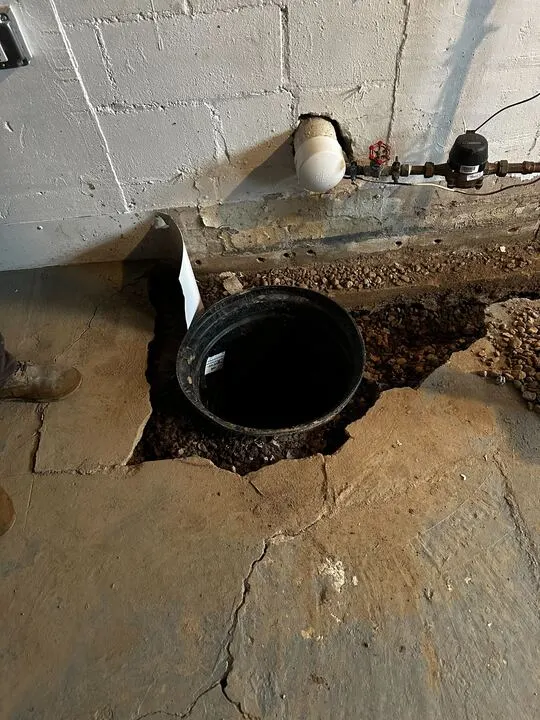
A sump pump is a mechanical device designed to remove water that collects in a sump basin, typically installed in the lowest part of a basement.
The sump basin collects groundwater from drainage systems installed along the basement perimeter. When the water level inside the basin rises to a certain point, the pump activates automatically.
Once activated, the sump pump pushes the water through a discharge pipe that carries it away from the home’s foundation.
This process helps prevent water from accumulating inside the basement.
Sump pumps are commonly used in homes that experience:
-
high groundwater levels
-
heavy rainfall
-
seasonal snowmelt
-
recurring basement moisture problems
Because basements sit below ground level, sump pumps provide an important line of defense against water intrusion.
How Sump Pumps Work With Basement Waterproofing Systems
Most professional waterproofing systems include interior drainage channels that collect water entering through basement walls or floors.
These drainage systems direct water toward the sump pump basin.
Once the water reaches the basin, the sump pump removes it from the basement and discharges it safely outside the home.
Without a sump pump, the collected water would remain inside the drainage system and eventually overflow.
This is why sump pumps are considered one of the most important components of a complete basement waterproofing system.
Preventing Basement Flooding During Heavy Rain
One of the most common reasons homeowners install sump pumps is to protect their basements from flooding during storms.
When heavy rain saturates the soil surrounding the home, groundwater levels can rise quickly. As pressure builds around the foundation, water may begin entering the basement through cracks or porous concrete.
Interior drainage systems collect this water, but the sump pump is responsible for removing it before it accumulates.
A properly functioning sump pump can move large volumes of water away from the home, helping prevent flooding even during severe weather conditions.
Protecting the Foundation From Hydrostatic Pressure
Hydrostatic pressure occurs when water accumulates in soil around the foundation and begins pushing against basement walls and floors.
Over time, this pressure can cause cracks, leaks, and structural damage.
Sump pump systems help reduce hydrostatic pressure by removing groundwater that collects near the foundation.
By lowering water levels around the home, the pump reduces the amount of pressure exerted on basement walls and floors.
This helps protect the foundation and prevents many common basement water problems.
Why Many Homes Need Backup Sump Pump Systems
While primary sump pumps are highly effective, they rely on electricity to operate. During severe storms, power outages may occur at the exact moment when the pump is needed most.
For this reason, many homeowners choose to install battery backup sump pump systems.
Backup systems activate automatically when the primary pump stops working or when power is lost.
These systems provide an additional layer of protection during extreme weather conditions, helping ensure that the basement remains protected even during electrical outages.
Warning Signs That a Sump Pump May Be Needed
Some homes already experience early warning signs that indicate a sump pump system may be necessary.
Common indicators include:
-
recurring basement moisture
-
water pooling near basement walls
-
damp basement floors after storms
-
musty odors caused by humidity
-
visible foundation cracks or seepage
If homeowners notice these signs, it may indicate that groundwater pressure is affecting the foundation.
Installing a sump pump system can help prevent these small issues from becoming major flooding problems.
The Importance of Professional Installation
Sump pumps are highly effective when they are installed correctly and integrated with a properly designed drainage system.
Professional waterproofing contractors evaluate several factors before recommending a sump pump system, including:
-
the home’s foundation design
-
soil conditions around the property
-
groundwater levels
-
existing moisture problems
Correct placement of the sump basin and proper installation of discharge lines are essential for ensuring the system functions efficiently.
Professional installation also helps ensure that the pump operates reliably when it is needed most.
Long-Term Benefits of Installing a Sump Pump
Installing a sump pump system provides several long-term advantages for homeowners.
These benefits include:
-
preventing basement flooding
-
protecting the home’s structural foundation
-
reducing mold and mildew growth
-
improving indoor air quality
-
preserving the value of the property
For homes located in areas with frequent rainfall or fluctuating groundwater levels, sump pump systems offer a reliable way to maintain a dry basement environment.
Conclusion
Basement waterproofing systems are designed to control and manage groundwater around the foundation. However, these systems rely on sump pumps to remove the collected water from the basement.
Without a sump pump, water captured by drainage systems would eventually accumulate and create moisture problems.
Sump pump basement systems provide a powerful solution for preventing basement flooding, reducing hydrostatic pressure, and protecting the home’s foundation from water damage.
When professionally installed as part of a comprehensive waterproofing system, sump pumps help ensure that basements remain dry, safe, and protected for years to come.
FAQs
Do all basements need a sump pump?
Not every basement requires one, but homes located in areas with high groundwater levels or frequent rainfall often benefit greatly from sump pump systems.
How does a sump pump prevent basement flooding?
A sump pump removes water collected in the sump basin and discharges it away from the home, preventing water from accumulating in the basement.
How long do sump pumps typically last?
Most sump pumps last between 7 and 10 years, depending on usage, maintenance, and the quality of the system.
Should a sump pump have a backup system?
Yes. Battery backup systems provide protection during power outages, which often occur during severe storms when sump pumps are needed most.