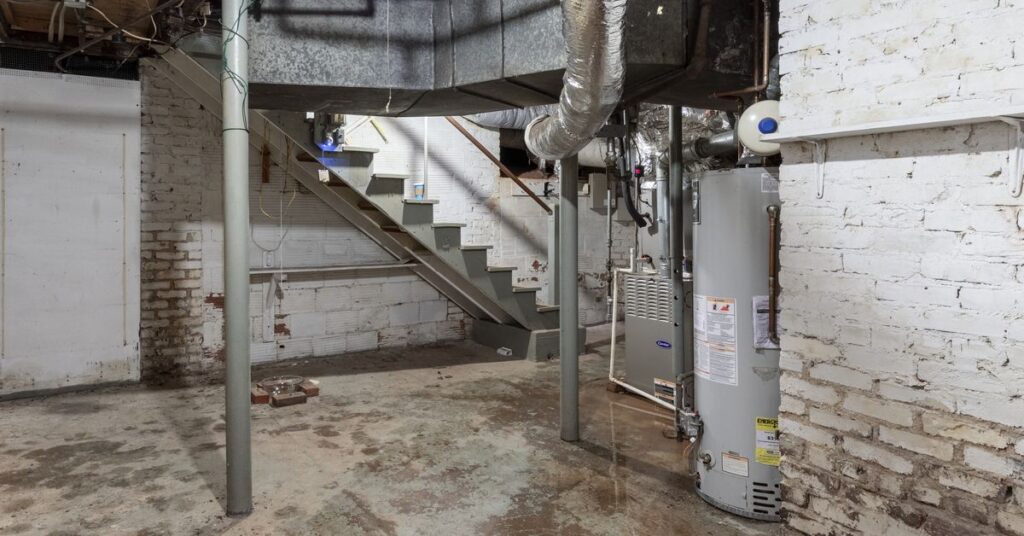
Basements are notorious for being damp, musty, and sometimes downright wet. But it doesn’t have to be that way. If you’ve experienced water intrusion, mold growth, or even just persistent humidity below ground level, basement waterproofing is the key to restoring your peace of mind—and protecting your home.
There are three primary types of basement waterproofing: interior waterproofing, exterior waterproofing, and drainage systems. Each plays a unique role in keeping water out of your basement and each has its own benefits, methods, and ideal use cases. In this article, we’ll break them all down so you can better understand which approach—or combination—is best for your situation.
1. Interior Basement Waterproofing
 Interior basement waterproofing, often referred to as “water management,” is designed to deal with water that has already made its way into your home. This method focuses on controlling moisture and redirecting it safely away from your basement.
Common Techniques:
-
Sealants and Coatings: Waterproof paints, sealants, and vapor barriers can be applied to interior walls and floors to prevent moisture seepage. While these aren’t always a permanent fix for major issues, they can be part of a broader strategy.
-
Interior Drain Tile Systems: These systems are installed around the perimeter of the basement floor. They collect water that enters and funnel it toward a sump pump, which then expels it away from the foundation.
-
Sump Pump Installation: A sump pump is essential for many interior systems. It acts as the heart of the waterproofing setup, ensuring water is actively moved out before it causes damage.
Benefits:
-
Less invasive and more affordable than exterior solutions.
-
Ideal for homes with minor water issues or where excavation isn’t feasible.
-
Quick installation times with minimal disruption to landscaping.
Best For:
Homeowners experiencing minor leaks, moisture buildup, or looking to retrofit an older home for better moisture control.
2. Exterior Basement Waterproofing
Exterior waterproofing addresses water at the source—before it can even get close to your basement walls. It’s considered the most thorough and long-lasting solution because it creates a complete barrier between your home and groundwater.
Common Techniques:
-
Excavation and Foundation Coating: This process involves digging around the home’s foundation to expose the exterior walls. Once exposed, waterproof membranes or coatings are applied, sealing cracks and blocking moisture.
-
Drainage Boards and Insulation Panels: These can be installed against the exterior coating to direct water downward toward a drainage pipe while also protecting the membrane from damage.
-
Exterior French Drains: A perforated pipe wrapped in fabric and gravel is laid around the perimeter of the foundation. This pipe collects water and channels it away from the structure.
Benefits:
-
Stops water before it ever reaches your foundation.
-
Ideal for long-term waterproofing.
-
Adds significant value to your property and may reduce insurance costs.
Best For:
Homes in areas with high water tables, frequent rain or snowmelt, or ongoing basement flooding issues. It’s also perfect for new builds where access to the foundation is easier.
3. Basement Drainage Systems
While technically a part of both interior and exterior waterproofing, drainage systems deserve their own category due to their importance. Without proper drainage, even the best coatings and membranes can be overwhelmed over time.
Common Techniques:
-
Interior Drain Tile Systems: As mentioned earlier, these go inside the basement along the footing and are covered with gravel and concrete after installation. They intercept water and direct it to a sump pump.
-
Exterior French Drains: Installed outside the foundation, these keep groundwater away and alleviate pressure on basement walls.
-
Curtain Drains: Installed farther away from the home, these drains redirect surface water before it gets near your house.
-
Window Well Drains: These are important if you have below-grade basement windows. A clogged window well can easily lead to water pouring into your basement.
Benefits:
-
Redirects water efficiently before it causes foundation or interior damage.
-
Customizable to different types of soil, terrain, and home layout.
-
Often used in combination with sump pumps and other waterproofing techniques.
Best For:
Homes with poor yard drainage, frequent flooding, or where water pressure around the foundation is a constant problem.
Comparing the Three Types
Each system has its place, and often the best protection comes from combining multiple methods. For example, many homeowners pair an interior drain tile system with a sump pump, while also using exterior French drains to reduce hydrostatic pressure.
Key Considerations Before Choosing a System
Before deciding which type of waterproofing is right for your home, consider the following factors:
1. Age and Condition of the Home
Older homes may already have some waterproofing in place (often outdated), or none at all. Newer homes might be easier to work on if exterior work is needed.
2. Landscape and Soil Type
Clay-heavy soil retains water, increasing pressure on foundation walls. Sandy or loamy soil drains faster. Your waterproofing approach should match your environment.
3. Water Table and Weather
If your area gets a lot of rain or snowmelt, or if your home sits in a low-lying zone, a more robust solution like exterior waterproofing or a full drainage system may be essential.
4. Budget
While it might be tempting to go for the cheapest fix, waterproofing is an investment. The long-term savings from preventing mold damage, structural repairs, and ruined belongings can far outweigh initial costs.
Why Professional Installation Matters
 Basement waterproofing isn’t just about keeping your space dry—it’s about protecting your home’s foundation, air quality, and overall value. While some products like waterproof coatings or basic sealants can be DIY-friendly, most effective systems require professional tools, expertise, and design.
Poor installation can lead to:
Professional waterproofing contractors not only assess your basement’s unique conditions but also guarantee their work, giving you lasting peace of mind.
Conclusion: Protect Your Home with the Right Waterproofing Strategy
Choosing the right basement waterproofing system depends on your home’s age, structure, location, and the severity of your water issues. Interior systems are great for managing moisture already inside, exterior waterproofing stops it before it starts, and proper drainage keeps everything flowing away from your foundation.
If you’re unsure which type of basement waterproofing is right for you, reach out to experienced professionals who can guide you through the options and implement the most effective solution. With the right protection in place, you can enjoy a dry, safe, and healthy home—no matter what the weather brings.

Jeff’s passion for basement waterproofing can be traced back to his early days at Everdry Waterproofing. He spent significant time working in every department not only to learn and improve but to help those who worked with him advance both personally and professionally.
Jeff has worked in the Waterproofing industry for 35 years, gaining experience in marketing, sales, service, and installations. As a seasoned basement waterproofing professional, he is passionate about advancing his knowledge in waterproofing and developing his team. In addition to basement waterproofing, he is also a board member for a non profit that educates and protects consumers against unethical business practices. Outside of the office, Jeff enjoys travel, music, and time with his wife of 36 years and his two sons.
Curious about the brains behind the great content here? It’s me, Jeff Schleuning, with 35+ years of expertise in the basement waterproofing industry and a rich history of owning a Basement Waterproofing franchise in Michigan.
My journey has equipped my team and I with invaluable insights, enabling to craft content that resonates with the audience using industry-leading online tools. Incorporating tools like SEMRush, Google Keyword Planner, AI technologies like ChatGPT, Claude-2, Google Bard, and Grammarly, we ensure the content is not just engaging but also strategically aligned with market trends.