 You’ve just discovered your basement is flooded and you’re not sure where to start, right? It’s a daunting situation, but don’t panic. It’s essential to act quickly, but also carefully, to minimize potential damage and safety risks. From identifying the source of the flood, assessing the damage, to contacting your insurance company and recovery services, there are several steps you need to take. But what comes next after the initial response, and how can you prevent future floods? Let’s unravel this together.
Key Takeaways
- Assess the initial damage by identifying the water source, evaluating structural damage, and documenting everything for insurance claims.
- Prioritize personal safety by wearing protective gear, ensuring power is off, and preparing an emergency kit.
- Contact your insurance company promptly and reach out to professional restoration services for expert assistance and damage repair.
- Clean and sanitize the flooded area, starting with water extraction, conducting mold remediation, and ensuring the area dries completely.
- Prevent future floods by understanding your home’s drainage systems, maintaining gutters and downspouts, and considering the installation of a sump pump.
Assessing the Initial Damage
The first step after a basement flood is to assess the initial damage. It’s crucial for you to quickly identify the water source. This won’t only help you understand the extent of the damage but also guide you in stopping any further water influx.
Water source identification can range from a burst pipe, a leaking water heater, seepage through the foundation, or even a natural disaster.
Next, you’ll want to employ some damage assessment techniques. Start by inspecting the water’s path, noting the affected areas. Look at the type of water involved – clean, dirty, or contaminated, as this will significantly influence your cleanup strategy.
Take note of any structural damages. Are the walls and floors intact, or are they swelling and buckling? What about your personal belongings, furniture, and appliances?
It’s important to document everything. Take photos, videos, and make a detailed list of damaged items. This evidence could be invaluable when dealing with insurance claims later on.
Prioritizing Personal Safety
Ensuring your own safety should always be your foremost concern when dealing with a flooded basement. While it’s natural to want to jump in and start dealing with the mess, taking safety measures is critically important.
Before you even consider entering your flooded basement, consider these safety tips:
- Always wear protective clothing – rubber gloves, waterproof boots, and a protective suit if possible.
- Make sure the power is off. Water and electricity don’t mix.
- Check for gas leaks. If you smell gas, leave immediately and call your gas company.
- Don’t touch any wet electrical appliances.
These precautions can help protect you from potential dangers lurking in the water.
Next, put together an emergency kit. This should include a flashlight, a first aid kit, a cell phone for calling for help, and any necessary medications.
Having these items on hand will help ensure you’re prepared for any unexpected situations that may arise.
After ensuring your personal safety, your next step should be to contact your insurance company. This is crucial because most homeowner insurance policies cover certain types of water damage. You’ll need to file insurance claims promptly to initiate the process for repair and restoration coverage.
Be sure to document the flood’s extent. Take detailed pictures or videos of the damaged area. This will serve as evidence when your insurer assesses the damage. Keep a record of any communication with your insurance provider too. It’s important to keep everything transparent and well-documented.
Simultaneously, reach out to professional restoration services. They’ve the expertise to deal with such situations effectively.
You’re dealing with more than just water; there could be potential mold growth, structural issues, or electrical hazards. Professionals will conduct a comprehensive assessment and create a restoration plan tailored to your situation.
Cleaning and Sanitizing the Area
Once your basement is safe to enter, it’s time to start the cleaning and sanitizing process. This critical step not only helps to restore your basement but also prevents potential health hazards, like mold growth.
First, focus on water extraction. It’s important to remove all standing water and dry out the area. You can use pumps, wet vacuums, or even buckets for this. Just ensure you’re wearing proper protective gear to avoid any contact with potentially contaminated water.
Next, begin mold remediation. This entails identifying moldy areas and thoroughly cleaning them. You might consider hiring a professional for this task as certain types of mold can be harmful to your health.
Remember to sanitize all surfaces and items affected by the flood. Here’s a simple guideline to follow:
- Remove any debris.
- Clean all surfaces with soap and hot water.
- Disinfect using a bleach solution (1 cup of bleach to 1 gallon of water).
- Allow the area to dry completely.
Preventing Future Basement Floods
Arming yourself with knowledge on how to prevent future basement floods can save you time, money, and heartache. Prevention is key, and it starts with understanding your home’s drainage systems. Proper drainage systems ensure water flows away from your home, not towards it.
Make sure gutters and downspouts are clear and direct water at least six feet away from your home’s foundation.
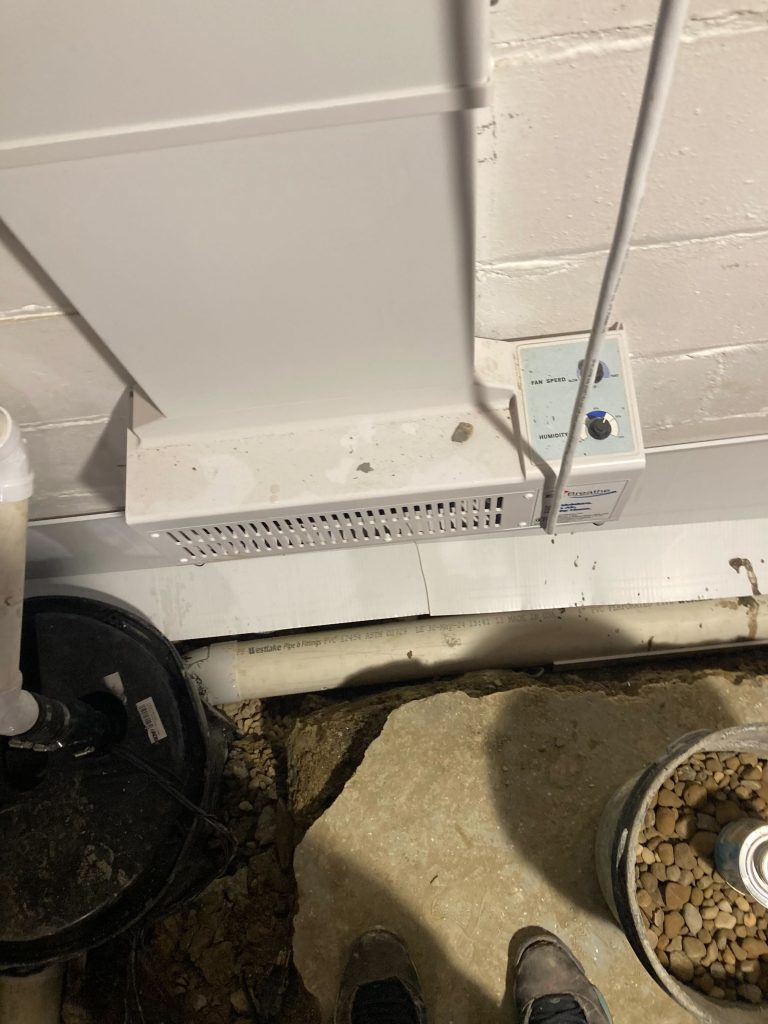
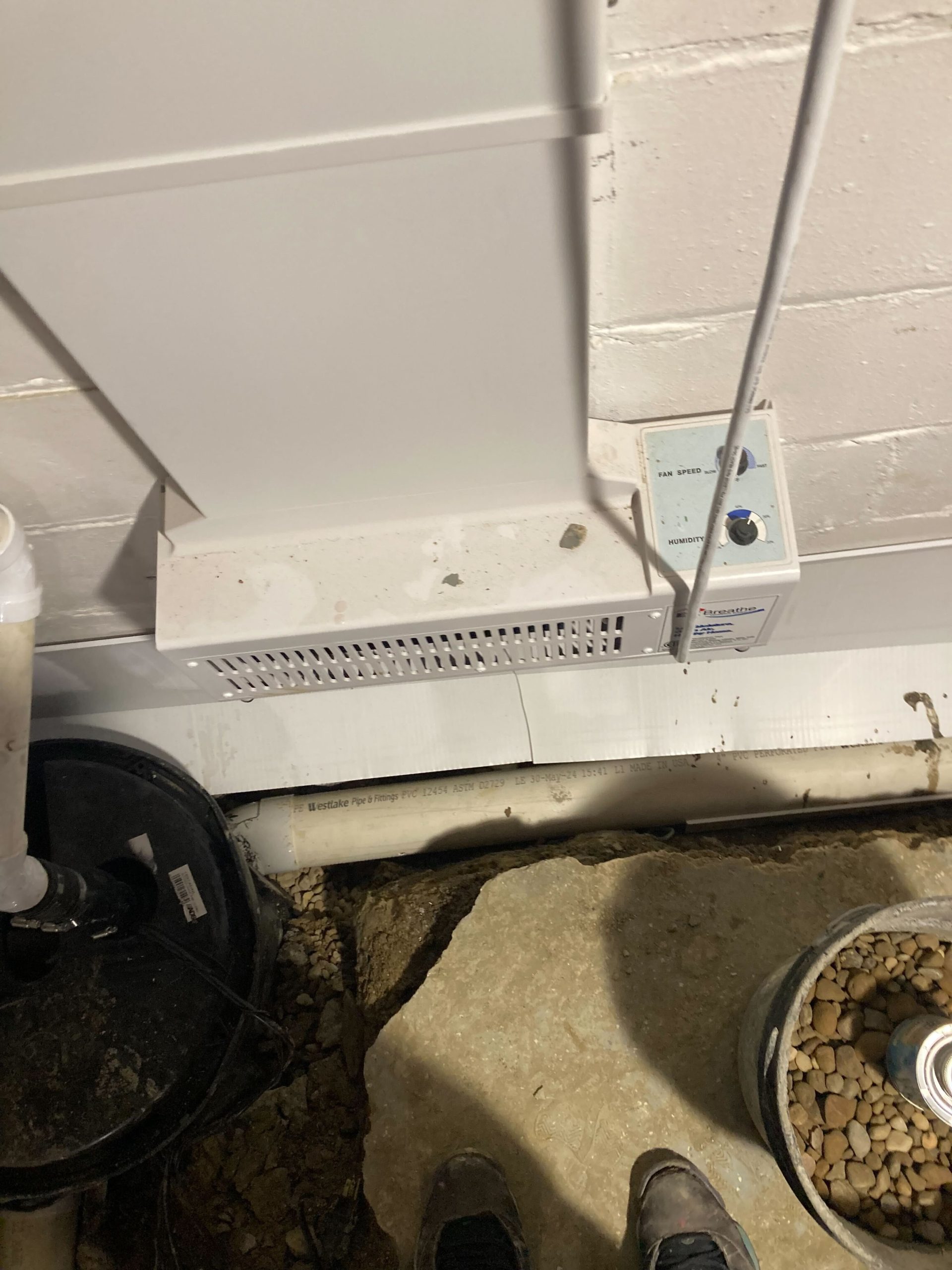
Next, consider installing a sump pump. These devices are designed to pump excess water away from your basement. They’re particularly useful in areas prone to flooding or if your basement is below the water table.
Regularly check and maintain your sump pump to ensure it’s working efficiently.
Sealing your basement walls and floor is another preventive measure. This prevents water from seeping into your basement through cracks and crevices. You can use waterproofing compounds for this task.
Lastly, landscape your yard so that it slopes away from your home to prevent water from pooling around your foundation. It’s also wise to check for and repair any foundation cracks.
With these measures in place, you’ll be well-prepared to prevent future basement floods.
Frequently Asked Questions
What Type of Flooring Is Most Resistant to Flood Damage?
When it comes to choosing flooring that’s resistant to flood damage, you’ll want to consider water resistant materials.
Options such as ceramic tile, concrete, or vinyl are ideal. They’re not only resistant to water damage but also easy to clean up after a flood.
Avoid using hardwood or carpet as they’re prone to water damage and can harbor mold.
Always remember, the right flooring can save you a lot of hassle in the long run.
How Can I Salvage Water-Damaged Furniture or Electronics?
First, you’ll want to assess the damage to your furniture and electronics.
For furniture restoration, consider professional services. They’ve got the tools and know-how to restore items you’d think are beyond saving.
For electronics, it’s trickier. Don’t turn them on if they’re wet! Take them to an electronics repair shop. They’ll assess the damage and tell you if it’s fixable.
Always remember, safety first; don’t risk your health for possessions.
What Are the Health Risks Associated With Basement Flooding?
You’re at risk of mold growth after a basement flood, which can harm your health.
Mold can trigger allergies, causing symptoms like sneezing, runny nose, or skin rashes. In severe cases, it can lead to respiratory issues.
It also affects your home’s air quality, making it uncomfortable and potentially harmful to live in.
It’s important to dry out and clean your basement as soon as possible to minimize these risks.
Can a Flooded Basement Impact the Overall Structure of My House?
Absolutely, a flooded basement can impact your home’s structural integrity.
Water seeping into your foundation can cause significant damage, weakening the overall structure of your house.
It’s not just about immediate damage either.
Over time, water exposure can cause cracks, shifts, and even potential collapse.
It’s crucial to address any flooding promptly to prevent long-term, costly damage to your home’s foundation and structure.
How Often Should I Check My Basement for Potential Flood Risks?
You should check your basement for potential flood risks regularly.
It’s recommended to do a thorough inspection at least once a season. Pay close attention to signs of moisture or dampness.
Implementing flood prevention measures, like installing a sump pump or maintaining gutters, is crucial.
Regular maintenance and moisture control can drastically reduce the risk of a flood.
Conclusion
So, you’ve navigated a basement flood. Remember, swiftly assessing damage, prioritizing safety, contacting insurance and professionals, and thoroughly cleaning and sanitizing are key. To avoid future floods, install a sump pump and maintain your drainage systems. It’s a challenging process, but acting methodically can significantly reduce damage and safeguard your home. With these steps, you’re equipped to handle a flood and protect your basement from potential future water damage.