
 Ever struggled with a damp or leaky basement? Basement waterproofing is your solution to these persistent problems. It’s a process that can safeguard your home from the likes of mold growth and structural damage, not to mention the potential hit to your property value. This guide will walk you through the different waterproofing techniques, from sump pumps and dehumidifiers to French drains and proper soil grading. By the end, you’ll be well-versed in how to maintain a dry, safe basement. Just imagine, no more moisture issues – it’s more attainable than you might think.
Key Takeaways
- Basement waterproofing involves techniques to control moisture and improve drainage, keeping basements dry and mold-free.
- Waterproofing shields homes from water damage, preserves structural integrity, and enhances property value.
- Common causes of basement leaks include poor drainage, foundation damage, and condensation; preventive measures include maintaining drainage systems and controlling humidity levels.
- Interior and exterior waterproofing methods include drainage systems, wall sealing, sump pumps, dehumidifiers, soil grading, and waterproof coatings.
- Choosing a waterproofing contractor involves assessing their qualifications, experience, project timelines, and costs, while also verifying their licensing and insurance.
Understanding Basement Waterproofing
Diving into the topic of basement waterproofing can initially seem challenging.
But, you’ll find that it’s all about understanding how to tackle two main issues: moisture control and finding the right drainage solutions.
So, let’s break it down together.
Moisture control is the first step. You see, basements are prone to dampness because of their underground location.
This humidity can lead to mold growth, which isn’t just unpleasant—it can also be harmful to your health.
Waterproofing helps control this moisture, keeping your basement dry and mold-free.
It’s a bit like giving your basement an umbrella to shield it from the wet.
Next, we move onto drainage solutions.
This is where you direct the water away from your basement.
It’s not enough to just prevent water from entering—you’ve also got to give the water that does get in a way out.
You’ll find various solutions out there, from sump pumps to French drains, each with its own pros and cons.
Importance of Basement Waterproofing
Picture a fortress. It’s strong, secure, and impenetrable. Your home should feel the same way, especially against water damage. That’s where basement waterproofing comes in. It’s your home’s shield against the relentless onslaught of moisture.
Basement humidity is more than just a discomfort. It’s a genuine threat to your home’s structural integrity. Over time, uncontrolled moisture can lead to serious problems, such as mold growth and foundation damage.
By waterproofing your basement, you’re actively defending your home from these potential hazards.
Mold prevention is another critical reason for waterproofing your basement. Mold thrives in damp environments, and once established, it can be a nightmare to eliminate. Not to mention, it’s a health hazard that can lead to respiratory problems and other medical conditions.
Waterproofing helps create a mold-resistant environment in your basement, keeping your home and family safe.
Let’s not forget about property value. A damp, moldy basement isn’t exactly a selling point. Waterproofing not only protects your home but boosts its value, too.
Common Causes of Basement Leaks
In the domain of home maintenance, understanding the common causes of basement leaks is essential. You might be surprised to find how often foundation damage and poor water drainage can lead to these issues.
It’s vital for you to keep an eye out for these causes, as they can help you nip the problem in the bud and save you a lot of money and hassle.
The most common causes of basement leaks include:
- Poor Water Drainage: This is typically among the main culprits. If water can’t flow away from your home properly, it’s likely to find its way into your basement.
- Foundation Damage: Cracks or breaks in your foundation can let water seep in, causing dampness and leaks.
- Hydrostatic Pressure: This occurs when groundwater pressure pushes against your basement walls, leading to cracks and leaks.
- Window Well Leaks: If your basement windows aren’t well-sealed, water can seep in during rain or snow.
- Condensation: This can occur when warm, moist air comes into contact with your cool basement walls and floor.
Different Basement Waterproofing Techniques
Now that you’re familiar with the common causes of basement leaks, let’s move on to different basement waterproofing techniques.
We’ll discuss interior and exterior methods, and help you choose a solution best suited to your needs.
Getting your basement properly waterproofed is essential, so don’t hesitate to explore these options.
Interior Waterproofing Methods
While you may not always see it, water can slowly seep into your basement, causing potential damage over time. To prevent this, consider interior waterproofing methods.
One effective way is through interior drainage. This method involves installing a drainage system inside your basement to redirect water that finds its way in.
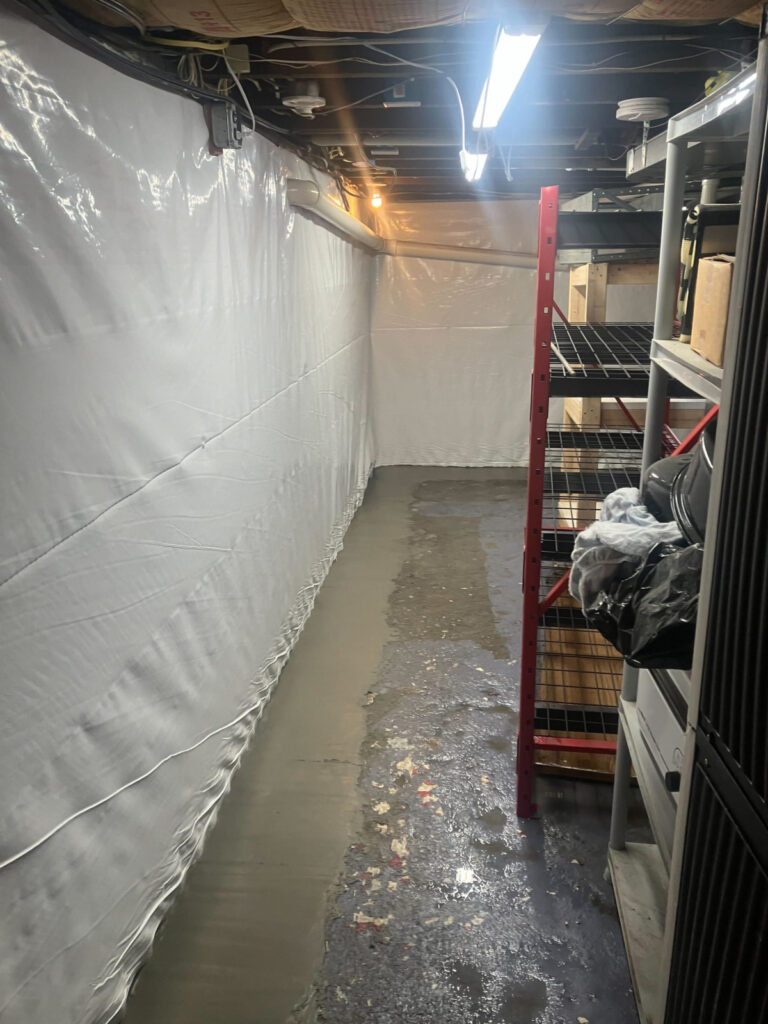
Another technique is wall sealing. This treatment involves sealing the interior walls of your basement with waterproofing materials that prevent moisture from penetrating. It’s a great way to protect your basement walls from dampness and potential water damage.
Here are some other interior waterproofing methods you can consider:
- Sump pump installation: This device pumps water out of your basement and away from your home.
- Dehumidifiers: These devices help control humidity and prevent dampness.
- Crack injections: This method involves filling cracks in your walls or floor to prevent water infiltration.
- Waterproof paints: These paints can provide an extra layer of protection against moisture.
- Vapor barriers: These are materials used to resist diffusion of moisture through wall, ceiling, and floor assemblies.
Exterior Waterproofing Techniques
Moving from the interior of your home, let’s take a look at the outside. Exterior waterproofing techniques, often involving drainage systems and soil grading, are essential. They’re designed to prevent water from making its way into your basement, which could save you from extensive damage and costly repairs.
The table below summarizes some common exterior waterproofing techniques:
| Technique | Description | Advantages |
|---|---|---|
| Drainage Systems | These help direct water away from your home’s foundation. | Effective, less maintenance |
| Soil Grading | This involves adjusting the slope of your soil to direct water away from your house. | Natural, cost-effective |
| Waterproof Coating | A sealant applied to the exterior walls of your home. | Durable, adds a layer of protection |
| French Drains | Trenches filled with gravel around the perimeter of your home to redirect water. | Efficient, improves home value |
Choosing Suitable Waterproofing Solutions
Even though you may feel overwhelmed with the various basement waterproofing options, it’s important to understand that each technique serves a unique purpose. Choosing the right waterproofing materials can make a significant difference in both the longevity of your basement and its environmental impact.
Different factors should guide your decision in selecting the most suitable waterproofing solution. These may include the structure of your basement, your budget, and environmental considerations. For instance, some waterproofing materials may not be environmentally friendly but offer superior water resistance. On the other hand, eco-friendly solutions mightn’t provide the same level of protection but are better for the environment.
Here are some basement waterproofing techniques you could consider:
- Interior sealants: These are an affordable and quick solution but may not withstand heavy water pressure.
- Exterior waterproofing: It’s an all-encompassing solution but can be expensive.
- Interior water drainage: It’s less costly than exterior waterproofing and very effective.
- Concrete waterproof coatings: These are permanent solutions but can only be applied to unfinished concrete or masonry walls.
- Silicate-based concrete sealers: These penetrate walls to form a waterproof barrier, but can’t be used on painted surfaces.
Selecting a Waterproofing Contractor
Steering through the sea of waterproofing contractors might seem challenging at first. But don’t worry! Here’s a quick guide on how to select the perfect one for your basement.
First, consider contractor qualifications. You’d want a team with the right skills, knowledge, and experience in waterproofing. Check their credentials, ask about their previous projects, and don’t hesitate to request references. This will give you a good idea of how well they perform their job.
Next, you need to discuss your project timeline. It’s important to find a contractor who can work within your schedule and deliver results on time. Are they available to start when you need them to? Can they complete the project within your desired timeframe?
Remember, a good contractor will always be upfront about their availability and how long the job will take.
Lastly, always trust your gut. If a contractor makes you feel uneasy or if their offer seems too good to be true, it probably is. Take your time, do your research, and make sure you’re completely comfortable before making your final decision.
After all, it’s your home, and you want the best for it.
Basement Waterproofing Costs Explained
Often, the cost of basement waterproofing is a key concern for homeowners. However, understanding the factors involved, such as regional pricing factors and material options, can help clarify this significant financial decision.
DIY waterproofing can be a cost-saving strategy, but it’s important to weigh the long-term benefits of hiring professionals. They can provide accurate evaluations and are equipped with advanced tools and techniques not typically available to homeowners.
Here are five key considerations:
- DIY vs Professional: DIY can save upfront costs, but mistakes could lead to bigger expenditures down the line.
- Material Options: The cost of materials varies, so consider your budget and basement needs.
- Regional Pricing: Prices differ regionally due to labor costs and material availability.
- Insurance Implications: Some insurance policies might cover waterproofing work, reducing out-of-pocket costs.
- Financial Assistance: Check for any available grants, loans, or tax credits in your area to offset costs.
Maintenance Tips Post-Waterproofing
Now that you’ve waterproofed your basement, it’s essential to maintain it properly.
Regular inspections are pivotal to spot potential problems early on.
Implementing preventative measures will guarantee your basement remains dry and protected.
Regular Inspection Routine
After getting your basement waterproofed, it’s essential to establish a regular inspection routine. This guarantees that the waterproofing systems remain effective and any potential problem can be detected and fixed promptly.
Your inspection frequency should be at least twice a year, but more if your area is prone to heavy rain or snow.
Seasonal checks are particularly important. As the seasons change, so does the condition of your basement. The heat of summer or the chill of winter can put different types of stress on your waterproofing system.
To help you keep track, here’s a simple inspection routine:
- Check for moisture or water leaks, especially after heavy rain or snow.
- Inspect the sump pump, confirming it’s working properly and ready to handle incoming water.
- Look for signs of mold or mildew, which indicate lingering moisture.
- Examine the walls and floors for cracks or other damages.
- Check the exterior drainage system for any blockages or problems.
Preventative Measures Implementation
Regularly taking preventative measures can greatly prolong the effectiveness of your basement’s waterproofing system.
It’s not just about installing the waterproofing; it’s equally about maintaining it. Here’s how you can do it.
Keep an eye on your drainage systems. Verify they’re not clogged and are working efficiently to channel water away from your home.
Clean gutters and downspouts frequently, as blockages can lead to water seepage.
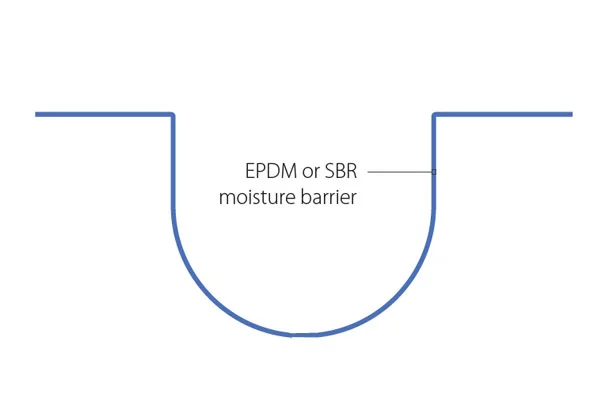
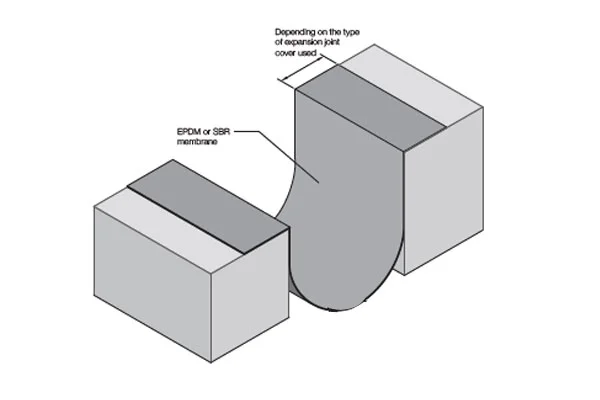
Next, check your moisture barriers. These barriers, often made of plastic or foil sheet, block moisture from penetrating the wall and floor surfaces.
Over time, they may wear out or get damaged. Regular inspections and prompt repairs can keep them in prime condition.
Maintaining the landscape around your home is another essential step.
Slope the ground away from your house to prevent water from pooling around the foundation.
Planting vegetation too close to your home can also cause problems as roots can damage the waterproofing system.
Lastly, consider investing in a dehumidifier for your basement.
This will help control the humidity levels, preventing condensation and consequently, potential water damage.
Frequently Asked Questions
Can I Undertake Basement Waterproofing as a DIY Project?
Yes, you can undertake basement waterproofing as a DIY project.
However, it’s important to learn various DIY techniques and understand the variety of waterproofing materials available.
Keep in mind, the process can be complex and time-consuming. Depending on the severity of your basement’s water issues, you may need to evaluate professional services.
Still, with the right knowledge, tools, and patience, you can successfully waterproof your basement.
How Long Does the Basement Waterproofing Process Usually Take?
The duration of the basement waterproofing process depends on the techniques used and the size of your basement.
If you’re applying a waterproofing sealant, it could take a weekend. More extensive methods, like installing a drainage system or sump pump, could take up to a week.
Will Basement Waterproofing Affect the Structural Integrity of My Home?
Proper basement waterproofing won’t harm your home’s structural integrity.
In fact, it boosts foundation stability by preventing water intrusion. By controlling moisture, you’re protecting the foundation from potential water damage.
This process, done correctly, doesn’t weaken or damage your home’s structure. Instead, it safeguards the longevity of your home.
Don’t worry, you’re making a smart, protective move with waterproofing.
Is It Necessary to Vacate My Home During the Basement Waterproofing Process?
You don’t always need to vacate your home during the basement waterproofing process. It largely depends on the extent of the work being done.
However, you should consider temporary relocation if you’re sensitive to noise, as the process can be quite loud.
Also, if extensive work is needed, it might be more comfortable to stay elsewhere until the job is finished.
Always discuss these aspects with your contractor before starting the project.
Are There Any Potential Health Risks Associated With Basement Waterproofing Materials?
Yes, there can be potential health risks if your basement’s waterproofing materials aren’t handled correctly.
It’s essential to understand material safety. Some solutions can produce strong smells or fumes that might cause discomfort or allergic reactions.
Always make sure that a professional is managing the process, using safety gear and proper ventilation. That way, you’re less likely to face any health concerns.
Conclusion
As a homeowner, you now understand the importance of basement waterproofing. It’s not just about preventing leaks, but also maintaining your home’s value and health. Choosing the right method and contractor matters, and while there are costs, it’s a worthy investment. Remember, post-waterproofing care is key. So, stay proactive, maintain your drainage, and monitor moisture levels. Your basement and home are worth it.