You might not give much thought to the air in your basement—but if it feels damp or musty, there’s a problem brewing. High humidity in basements is the #1 trigger for mold growth, and mold doesn’t just stay downstairs. It spreads through walls, floors, and your home’s ventilation, posing serious health and structural risks.
This article explains how basement humidity fuels mold growth, why it matters, and what steps you can take to eliminate the risk for good.
Understanding Basement Humidity
Basements are naturally prone to moisture because they’re partially or fully below ground. That makes them vulnerable to:
-
Seepage from groundwater
-
Condensation when warm air hits cool surfaces
-
Leaks from plumbing or foundation cracks
-
Poor ventilation, which traps humid air
When relative humidity in your basement rises above 60%, you’re officially in the danger zone for mold.
 How Humidity Leads to Mold Growth
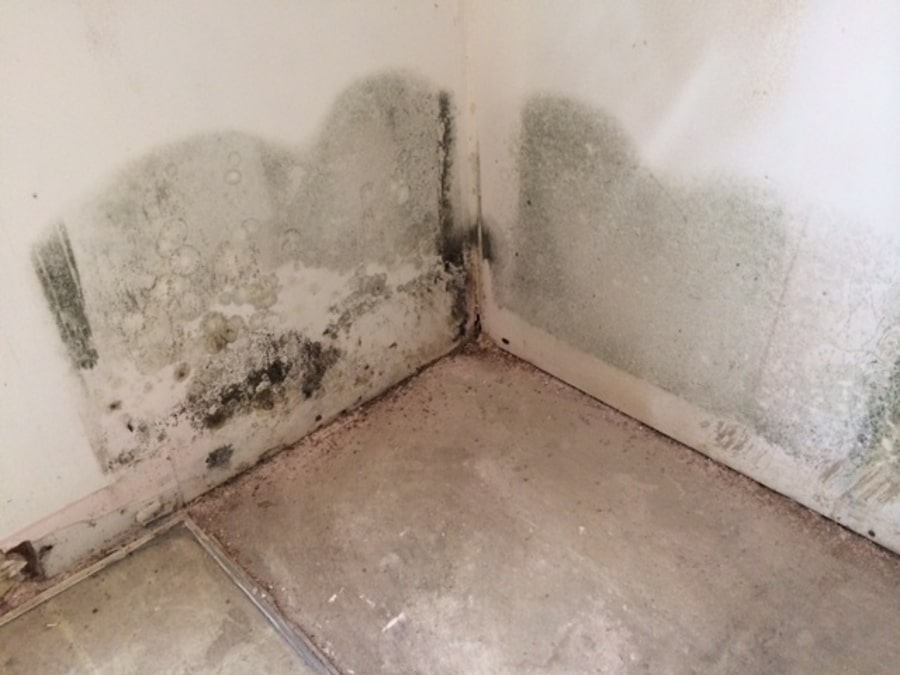
Mold spores are everywhere, but they need the right conditions to grow:
High humidity creates the perfect environment. Once moisture condenses on walls, joists, or stored items, mold spores settle in and start multiplying—often within 24 to 48 hours.
Common signs of humidity-driven mold:
-
Musty odor that lingers
-
Black, green, or white spots on walls or ceilings
-
Peeling paint or bubbling drywall
-
Allergic reactions (sneezing, headaches, itchy eyes)
Health Risks of Mold in Humid Basements
Mold isn’t just unsightly—it’s a serious health concern, especially for:
Health symptoms include:
And remember: even if the mold is in the basement, airborne spores travel throughout the entire home.
Structural and Property Damage
Beyond health, mold and moisture cause slow but significant damage to your home’s structure and contents:
-
Rotting floor joists and beams
-
Warped wood framing and paneling
-
Rusting metal fixtures
-
Deteriorating drywall and insulation
-
Damage to stored furniture, books, and clothes
Unaddressed, basement mold can even reduce property value and lead to expensive repairs when selling.
DIY Mold Control: What Works (and What Doesn’t)
Some homeowners try to fight basement humidity and mold with temporary fixes. While these may help short-term, they rarely address the root cause.
May Help:
Usually Ineffective Alone:
-
Painting over moldy surfaces
-
Store-bought waterproofing paints
-
Using air fresheners to mask odors
To fully stop mold, you need to remove the source of moisture. That’s where professional waterproofing comes in.
Professional Mold and Humidity Solutions
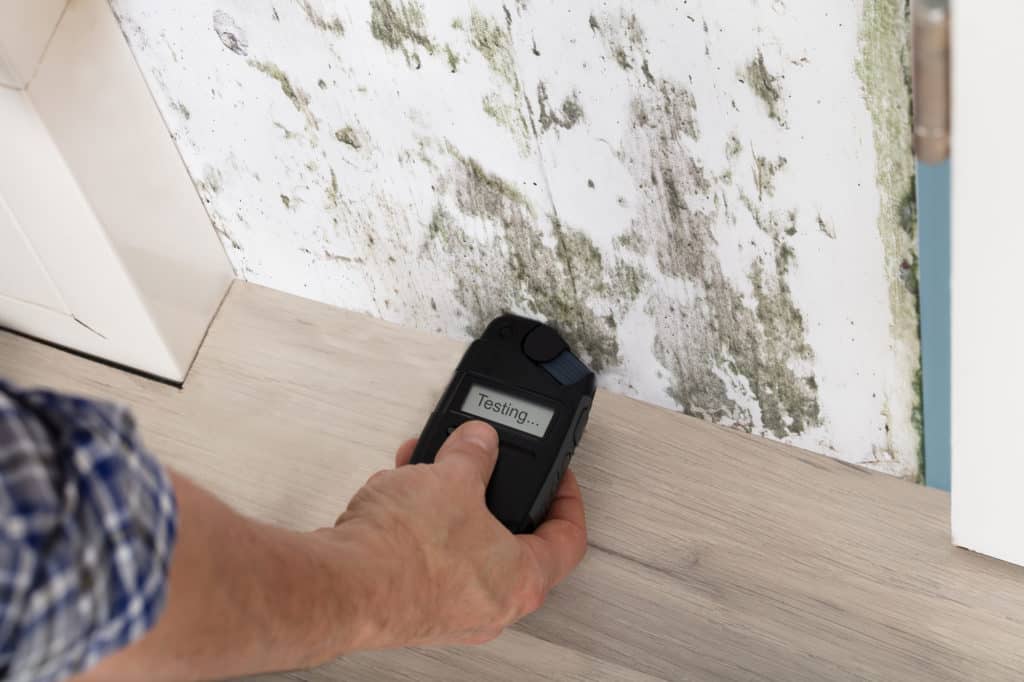
At AquaGuard Waterproofing, we take a comprehensive approach to basement humidity and mold control:
1. Moisture Source Detection
We inspect foundation walls, floors, and drains to pinpoint where water is entering or collecting.
2. Waterproofing Systems
We install custom interior or exterior drainage solutions, sump pumps, and vapor barriers to keep water out.
3. Humidity Control
High-capacity, professional-grade basement dehumidifiers control air moisture year-round.
4. Mold Remediation (if needed)
We work with certified mold remediation partners when growth is extensive.
5. Long-Term Prevention
From crack repair to encapsulation, our solutions are built to last and backed by warranties.
When to Call the Experts
You don’t need visible mold to justify professional help. Call AquaGuard if you notice:
-
Persistent damp smell in your basement
-
Condensation on pipes or windows
-
Wet spots on concrete or drywall
-
Recurring allergy symptoms indoors
-
A history of flooding or seepage
The sooner you act, the easier and more affordable it is to stop the problem.
FAQs About Basement Humidity and Mold
Q: What’s the ideal humidity level for a basement?
A: Between 30% and 50%. Above 60%, mold growth becomes highly likely.
Q: Can I use a regular household dehumidifier?
A: Portable models help, but professional-grade basement dehumidifiers are more effective and energy-efficient for large or wet areas.
Q: How fast does mold grow in humid conditions?
A: Mold can begin growing within 24–48 hours if moisture is present and untreated.
Q: Is it enough to just remove visible mold?
A: No. Mold roots can grow behind walls or under floors. Removing visible mold without solving the moisture source means it will come back.
Q: Do waterproofing systems prevent mold?
A: Yes. By stopping water intrusion and controlling humidity, a quality waterproofing system eliminates the conditions that cause mold.
Conclusion: Don’t Let Humidity Invite Mold Into Your Home
Basement humidity might seem like a minor inconvenience, but left unchecked, it can spiral into a major mold problem. That means health risks, property damage, and rising repair costs.
At AquaGuard Waterproofing, we specialize in solutions that not only remove water but control moisture and protect your home long-term. From expert inspections to full-service drainage and humidity systems, we’re here to help you reclaim your basement—and your air quality.
Notice the signs? Don’t wait. Let AquaGuard stop moisture at the source—before mold takes hold.