Skip to content
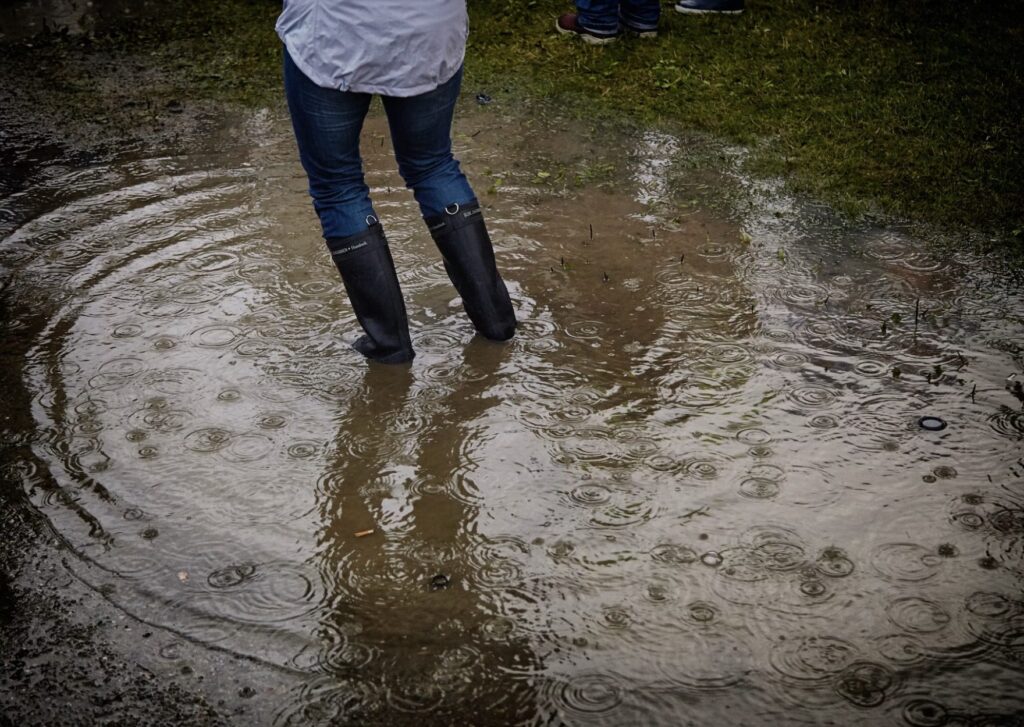
If you’re wondering about how to protect your home from moisture, you’ve likely come across the terms waterproofing and damp-proofing. While these terms sound similar, these two processes do have some distinct differences. Both are designed to protect your basement from unwanted moisture, but they offer different levels of protection, use different materials, and serve different purposes. Let’s take a look at waterproofing vs damp-proofing a basement, what this means, and the processes behind each.
Waterproofing vs. Damp-Proofing a Basement: What’s the Difference?
What Is Damp-Proofing?
Damp-proofing is the most basic form of moisture protection applied to foundation walls. It’s designed to resist moisture from the surrounding soil and prevent it from passing through concrete or masonry walls in the form of water vapor. This process is often applied during new construction and typically involves spraying or brushing a tar-based or asphalt coating onto the exterior of the foundation. While it can help reduce moisture infiltration, it does not stop water from entering the basement if there’s significant groundwater or hydrostatic pressure.
Damp-proofing is often considered a minimum code requirement rather than a comprehensive solution. It can keep out dampness from humid soil, but it won’t stop liquid water from seeping through cracks or pushing its way into the basement during heavy rains or snowmelt. That makes it more suitable for homes built on well-drained lots with low water tables.
Damp-proofing is:
- Inexpensive and easy to apply
- Commonly required by building codes
- Effective against water vapor but not liquid water under pressure
What Is Waterproofing?


Waterproofing, on the other hand, is a more robust approach that offers more thorough protection against both moisture and water around the home under pressure. It’s designed to stop water from entering your basement even when the soil around your foundation is saturated or under pressure. Waterproofing goes beyond a surface coating and typically involves a combination of exterior membranes, drainage systems, and interior water management strategies.
Unlike damp-proofing, waterproofing systems are built to handle hydrostatic pressure. That means when water builds up around your foundation, either from rainfall, melting snow, or a high water table, the waterproofing system works to redirect or block that water from entering your home. Waterproofing materials are more flexible and durable, often involving rubberized asphalt, polymer-modified bitumen membranes, or bentonite clay sheets, and they may be combined with French drains, sump pumps, or drainage boards.
Waterproofing typically includes:
- Rubberized asphalt or polymer-based membranes
- Drainage mats or channels
- Protection against hydrostatic pressure
- Integration with sump pumps and foundation drainage
Waterproofing provides long-term solutions against moisture in your basement
Call 1-800-782-9379 or schedule a no-cost assessment online to learn more about long-term basement waterproofing
Waterproofing vs Damp-proofing: Key Differences
The core difference between damp-proofing and waterproofing are the levels of protection they offer. Damp-proofing is intended to resist soil moisture; it slows down the transfer of water vapor but does not prevent water from entering under pressure. Waterproofing, on the other hand, is designed to stop all water, whether it’s in vapor form or actively pressing against the foundation.
Another important difference between waterproofing vs damp-proofing lies in the materials and methods used. Damp-proofing usually involves a simple brush-on or spray-on coating. Waterproofing systems are more complex and may involve multiple layers of protection, as well as drainage components that actively direct water away from the structure.
In terms of cost, damp-proofing is less expensive upfront, but it may not provide sufficient long-term protection in wet environments. Waterproofing is more of an investment, but it often prevents costly water damage and mold problems down the line.


Waterproofing vs Damp-proofing: Similarities
Both waterproofing and damp-proofing are applied to the foundation walls of a home to prevent moisture from entering the basement. Each process is typically done from the exterior of the home and is meant to extend the life of the foundation, reduce humidity in the basement, and protect the home’s structural integrity. They both play a role in improving indoor air quality by reducing moisture-related issues, and each one can be supplemented with additional drainage strategies, like interior drains or exterior grading.
Both waterproofing and damp-proofing:
- Are applied to the exterior of basement walls
- Help reduce interior humidity and prevent mold
- Can be supplemented with additional drainage strategies
- Contribute to a longer-lasting, healthier basement environment
Waterproofing vs Damp-proofing: Which is Best for Your Basement?
Choosing between damp-proofing and waterproofing comes down to your home’s environment, the local water table, and your long-term plans. If your basement has never had water problems and you live in a dry area with excellent soil drainage, damp-proofing may be sufficient. But if your basement has shown signs of water intrusion, mold, musty odors, or if your yard often pools with water, waterproofing is the better and safer choice.
In areas like Michigan, where seasonal rain, snowmelt, and high humidity are common, waterproofing offers peace of mind that damp-proofing simply can’t match. Investing in a comprehensive waterproofing system helps ensure that your basement stays dry no matter the season—and that you avoid costly repairs and health hazards related to mold and moisture.