Skip to content
Executive Summary
The United Kingdom polyurethane sealants market represents a mature yet dynamically evolving segment within the country’s broader construction and industrial materials sector. Characterised by its high-performance attributes, including exceptional flexibility, durability, and adhesion to diverse substrates, polyurethane sealant has become a critical specification in both new build and maintenance applications. The market’s trajectory is intrinsically linked to the health of key end-use industries, most notably construction, automotive manufacturing, and infrastructure development, with demand patterns reflecting broader economic cycles, regulatory shifts, and technological advancements in formulation.
As of the 2026 analysis, the market is navigating a complex landscape defined by post-pandemic recovery in construction activity, sustained pressure from inflationary cost environments, and an accelerating regulatory push towards more sustainable and energy-efficient building solutions. The competitive arena is populated by a mix of global chemical conglomerates and specialised domestic manufacturers, with competition hinging on product innovation, supply chain reliability, and technical service support. The path to 2035 will be shaped by the industry’s response to decarbonisation mandates, the evolution of hybrid and bio-based raw materials, and the changing demands of a modernising infrastructure and automotive sector.
This report provides a comprehensive, data-driven examination of the UK polyurethane sealants industry, dissecting its core components from supply and demand fundamentals to trade flows and price mechanisms. The analysis moves beyond descriptive summary to deliver actionable insights into the operational and strategic challenges facing industry stakeholders. By integrating historical data analysis with a forward-looking assessment of macroeconomic and sector-specific drivers, this report equips executives, planners, and investors with the contextual understanding necessary to navigate market risks and capitalise on emerging opportunities through the forecast horizon to 2035.
Market Overview
The UK polyurethane sealants market is a well-established component of the specialty chemicals industry, serving as an essential intermediary product for a wide array of downstream sectors. Its development has been closely aligned with the evolution of modern construction techniques and manufacturing processes that demand high-performance sealing solutions capable of withstanding movement, weathering, and mechanical stress. The market’s structure encompasses the entire value chain, from the procurement of key raw materials like isocyanates and polyols, through to formulation, distribution, and application by contractors and installers across the country.
In regional terms, market activity is heavily concentrated in England, particularly within the Greater South East and major metropolitan hubs such as London, Birmingham, and Manchester, where construction and refurbishment activity is most intense. Scotland and Wales present significant, though smaller, regional markets, often driven by specific infrastructure projects and housing policy initiatives devolved to their respective governments. The market exhibits a degree of cyclicality, with demand fluctuating in response to public infrastructure spending cycles, private commercial development pipelines, and consumer confidence influencing the residential repair, maintenance, and improvement (RMI) sector.
The product landscape within the market is segmented by chemistry, cure mechanism, and application method. Key segments include one-component moisture-cure sealants, which dominate DIY and general construction due to their convenience, and two-component chemically-curing sealants, which are preferred in industrial and high-specification applications for their controlled cure profile and deep-section curing capability. Further segmentation exists based on modulus (high vs. low), specific performance properties (such as paintability or movement accommodation factor), and packaging format, from cartridges and sausages to bulk pails and drums for professional use.
Demand Drivers and End-Use
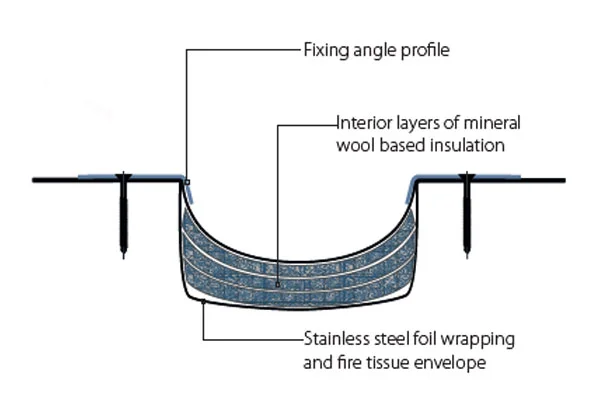
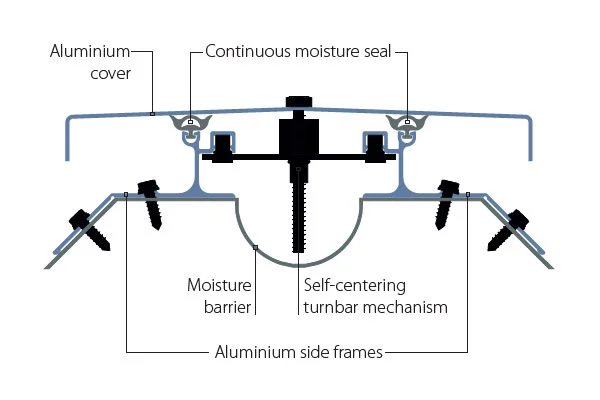
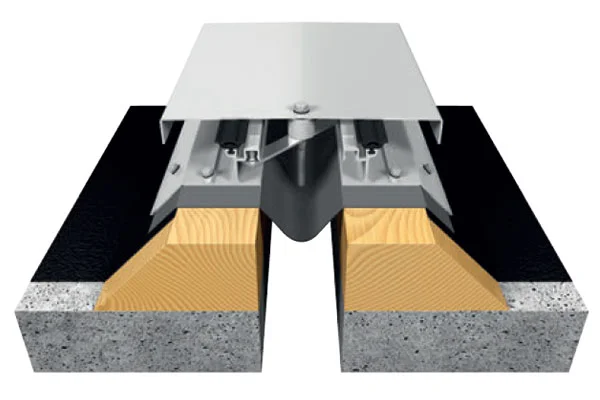
Demand for polyurethane sealants in the United Kingdom is fundamentally derived from its application as a critical component in assembly, waterproofing, and jointing operations. The primary end-use sector, accounting for the lion’s share of consumption, is construction and building. Within this sector, sealants are specified for a multitude of applications including perimeter sealing of windows and doors, expansion joint sealing in facades and concrete structures, glazing, sanitary sealing, and roofing applications. The ongoing trend towards off-site manufacturing and modular construction also presents a growing niche, as sealants are applied in factory-controlled environments for panel and module assembly.
The automotive and transportation industry constitutes the second major demand pillar. Here, polyurethane sealants are used extensively in direct glazing (bonding windscreens and windows to the vehicle body), seam sealing of body panels to prevent corrosion and dampen noise, and in the assembly of commercial vehicles, railcars, and aerospace components. Demand in this sector is closely tied to UK automotive production volumes, model refresh cycles, and the technological shift towards electric vehicles, which may alter material specifications and assembly processes. The wind energy sector, though smaller in volume, represents a high-value, high-performance application for sealants used in blade manufacture and tower assembly.
Several cross-cutting macro drivers exert significant influence on market demand. Stringent building regulations, particularly Part L (Conservation of Fuel and Power) of the Building Regulations, drive demand for high-performance air and weather sealing products to enhance building envelope efficiency. Similarly, the focus on sustainable construction and green building certifications (like BREEAM) encourages the use of durable, long-lasting sealants that contribute to asset longevity and lifecycle performance. Conversely, economic downturns or uncertainty can lead to deferrals in major construction projects, suppressing demand, while boom periods in housing or infrastructure can create capacity constraints and rapid demand growth.
Supply and Production
The supply landscape for polyurethane sealants in the UK is bifurcated between domestic manufacturing and significant import volumes. Domestic production is carried out by both integrated multinational corporations, which may produce their own key raw materials or precursors, and independent formulators who compound purchased raw materials into finished sealant products. Production facilities are typically batch-based, involving high-shear mixing of polyols, isocyanates, fillers, plasticisers, adhesion promoters, and stabilisers under controlled atmospheric conditions to prevent premature moisture cure.
Raw material supply constitutes a critical vulnerability and cost centre for producers. Key inputs include MDI (methylene diphenyl diisocyanate) and polyether polyols, which are petrochemical derivatives whose prices are volatile and linked to global crude oil and natural gas markets. Supply security for these intermediates has been a concern, given that the UK and Europe are net importers reliant on production concentrated in a limited number of global sites. This reliance exposes manufacturers to geopolitical risks, trade policy disruptions, and freight logistics challenges, all of which can precipitate raw material shortages and cost inflation that must be managed through strategic inventory holding, formula flexibility, and price adjustment mechanisms.
Manufacturing operations are subject to rigorous health, safety, and environmental regulations governed by agencies including the Health and Safety Executive (HSE) and the Environment Agency. Compliance with REACH (Registration, Evaluation, Authorisation and Restriction of Chemicals) regulations is paramount, influencing the choice of raw materials, particularly concerning the use of plasticisers and catalysts. The industry is also responding to end-market pressure for more sustainable products by investing in research into bio-based or recycled content polyols, solvent-free formulations, and recyclable packaging, although these innovations often come with a cost premium and performance validation challenges.
Trade and Logistics
The United Kingdom maintains a significant trade deficit in polyurethane sealants, reflecting a market where consumption substantially exceeds domestic production capacity. The UK is a consistent net importer, with a high volume of finished goods entering the country to satisfy the demands of the construction and industrial sectors. Import channels are diverse, including direct shipments from manufacturing plants owned by global players located in the European Union, North America, and Asia, as well as shipments from independent foreign manufacturers distributed through UK-based importers and stockists.
Historically, the European Union has been the dominant source of imports, benefiting from geographic proximity, streamlined logistics, and alignment with technical standards. However, the post-Brexit trade and cooperation agreement has introduced new friction in the form of customs declarations, rules of origin checks, and regulatory divergence, potentially increasing lead times and administrative costs for EU-origin sealants. This has prompted some market participants to re-evaluate supply chains, with a noted increase in scrutiny of inventory levels and a gradual exploration of alternative sourcing from other regions, though the EU’s established production base and technical parity ensure it remains the primary external supplier.
Exports from the UK, while smaller in volume than imports, are not insignificant. They typically consist of specialised, high-value products or those manufactured by UK-based global players for distribution into their international networks, particularly in Commonwealth countries and the Middle East. The logistics of distribution within the UK are equally critical, involving a network of national distributors, specialist builders’ merchants, and direct sales to large OEMs or contracting firms. Efficient logistics are essential given the weight-to-value ratio of sealant products and the just-in-time delivery requirements of many construction sites and manufacturing plants, making warehousing location and freight management key competitive factors.
Price Dynamics
Pricing within the UK polyurethane sealants market is a function of a complex interplay between cost-push and demand-pull factors. The primary cost driver is the price of raw materials, particularly isocyanates and polyols, which are subject to global commodity chemical pricing cycles influenced by feedstock (crude oil, benzene, propylene) costs, plant operating rates, and global supply-demand balances. A secondary but substantial cost element is energy, both for manufacturing processes and for the production of raw materials, making the market sensitive to fluctuations in natural gas and electricity prices, which have been notably volatile in recent years.
At the market level, pricing is segmented by channel and product type. Commodity-grade one-component sealants sold through retail DIY channels are highly price-competitive, with margins compressed by retailer power and competition from alternative chemistries like silicone and acrylic. In contrast, specification-grade products sold through professional distributors or directly to OEMs command higher price points, reflecting added value through technical performance, certification support, and just-in-time delivery services. Price realisation in these segments is more closely tied to total cost-in-use for the customer, encompassing application speed, durability, and reduced call-backs, rather than just per-unit cost.
Contractual mechanisms vary widely. Large-volume supply agreements with major construction firms or automotive OEMs often feature quarterly or semi-annual price review clauses linked to raw material indices, providing a degree of cost pass-through for manufacturers but also creating pricing uncertainty for buyers. In the merchant distribution channel, list prices are more common, with discounts applied based on volume and customer relationship. The market has witnessed a trend of increased price volatility and upward pressure since 2026, driven by persistent raw material inflation, elevated energy costs, and the increased administrative burden of cross-border trade, challenging all participants to enhance their cost management and pricing agility.
Competitive Landscape
The competitive environment in the UK polyurethane sealants market is moderately concentrated, featuring a blend of large multinational diversified chemical companies and focused, often privately-owned, specialty formulators. The leading positions are typically held by global players such as Sika, Henkel, and Arkema (Bostik), which benefit from extensive R&D resources, global supply chains for key raw materials, and strong brand recognition among specifiers and contractors. These companies compete across the full spectrum of the market, from DIY to heavy industrial, leveraging their broad product portfolios and technical service networks.
A second tier of competition consists of strong regional competitors and specialist manufacturers. These firms often compete by cultivating deep expertise in specific niches—such as marine sealants, high-performance architectural glazing, or specialised automotive applications—where tailored formulations and responsive customer service can offset the scale advantages of the majors. They may also compete aggressively on price in specific regional markets or product segments. The barriers to entry at the manufacturing level are significant, given the capital requirements for production equipment, the need for technical formulation expertise, and the necessity of achieving third-party certifications and approvals for use in regulated applications.
Competitive strategies are multifaceted. Key non-price battlegrounds include:
- Product Innovation: Developing next-generation products with improved sustainability profiles (e.g., lower VOC, bio-content), enhanced application properties (e.g., non-sag, faster cure), or tailored for emerging substrates.
- Supply Chain Resilience: Ensuring reliable supply in a volatile environment through dual sourcing, strategic inventory, and robust logistics.
- Technical Support and Specification: Investing in field-based technical sales teams to educate specifiers, solve on-site problems, and secure place in project specifications.
- Channel Management: Building strong partnerships with key national and regional distributors to ensure product availability and visibility at the point of purchase.
Market share consolidation through mergers and acquisitions remains a feature of the landscape, as larger players seek to acquire niche technologies, brands, or distribution access. Simultaneously, the threat of substitution from alternative sealant chemistries, such as silicone, MS polymer (hybrid), or advanced acrylics, imposes a constant discipline on polyurethane manufacturers to justify their value proposition on performance, durability, and total cost-in-use criteria.
Methodology and Data Notes
This report on the United Kingdom Polyurethane Sealants Market has been compiled using a rigorous, multi-layered research methodology designed to ensure accuracy, relevance, and analytical depth. The foundation of the analysis is built upon official statistical data sourced from national and international bodies. This includes comprehensive trade data from HM Revenue & Customs (HMRC), which provides detailed import and export figures classified under relevant Harmonised System (HS) codes, and production data from the UK Office for National Statistics (ONS) and industry surveys conducted by the Chemical Industries Association (CIA).
Primary research forms a critical pillar of the methodology, involving in-depth interviews and discussions with a carefully selected panel of industry participants. This panel is designed to capture perspectives across the value chain and includes:
- Senior executives and product managers at polyurethane sealant manufacturing companies.
- Procurement and technical specification managers from key end-user industries (construction firms, automotive OEMs, glazing contractors).
- Major distributors and merchants who provide insights into channel dynamics, inventory levels, and pricing trends.
- Industry experts, consultants, and trade association representatives.
These qualitative insights are essential for interpreting quantitative data, understanding market mechanics, validating trends, and capturing the strategic rationale behind business decisions. The information gathered is cross-referenced and triangulated against secondary sources, including company annual reports, financial statements, trade publications, technical journals, and press releases, to build a coherent and verified market picture.
All market size estimates, growth rate calculations, and share analyses presented are the result of this proprietary data integration and modelling process. The forecast component for the period to 2035 is derived through a combination of econometric modelling, which accounts for historical relationships between market drivers and sealant demand, and scenario-based analysis that incorporates expert judgments on the evolution of key macroeconomic, regulatory, and technological trends. It is crucial to note that while the report provides a detailed framework and directional outlook, specific absolute numerical forecasts for market size in 2035 are not presented, in adherence to the stipulated data rules. The analysis focuses instead on the qualitative and relative shifts expected to shape the market landscape over the coming decade.
Outlook and Implications
The outlook for the United Kingdom polyurethane sealants market to 2035 is one of constrained but steady evolution, shaped by a confluence of structural trends rather than explosive growth. Demand fundamentals will remain tied to the cyclical fortunes of the UK construction sector, which is itself facing a long-term transition towards retrofit, refurbishment, and energy efficiency upgrades, potentially offsetting volatility in new build activity. The automotive sector’s pivot to electric vehicle production will reconfigure, but not eliminate, demand for sealing solutions, with new opportunities in battery pack assembly and lightweight body construction. Infrastructure renewal, particularly in water management, rail, and energy networks, will provide a consistent, policy-driven source of demand for high-performance, durable sealants.
Technologically, the market will be pressured to innovate along the axis of sustainability. This will manifest in several key trends: the increased incorporation of recycled or bio-based content in formulations to reduce carbon footprint; the development of easier-to-disassemble or cleaner-to-remove sealants to support circular economy principles in construction; and continued reduction of VOC content to meet stricter air quality standards. Furthermore, digitisation will begin to play a larger role, from smart packaging with QR codes linking to application data sheets and videos, to the integration of sealant selection into Building Information Modelling (BIM) libraries, influencing specification decisions earlier in the project lifecycle.
For industry participants, the implications are clear and actionable. Manufacturers must invest in R&D to future-proof their product portfolios against regulatory and sustainability headwinds, while simultaneously optimising production and supply chains for resilience and cost control in an uncertain global trade environment. Distributors will need to enhance their value beyond logistics, providing technical data, sustainability credentials, and inventory management services to contractors. For end-users and specifiers, the key implication is the need for heightened due diligence, balancing upfront cost against total lifecycle performance and environmental impact, and staying abreast of evolving material technologies and application standards. Navigating the period to 2035 will require strategic agility, a deep understanding of interconnected market drivers, and a commitment to innovation that addresses the dual imperatives of performance and sustainability.
Source: IndexBox Platform