Executive Summary
The United Arab Emirates polyurethane sealants market is a critical component of the nation’s advanced construction and industrial sectors. Characterized by high-performance requirements and a focus on durability, the market is shaped by the UAE’s ambitious infrastructure agenda and its transition towards sustainable, energy-efficient building practices. This report provides a comprehensive 2026 analysis of the market’s size, structure, and dynamics, extending a detailed forecast to 2035 to identify long-term strategic opportunities and challenges.
Current demand is heavily anchored in the construction industry, particularly for high-rise glazing, expansion joints, and waterproofing applications in mega-projects. However, significant growth is emerging from the manufacturing, automotive, and marine sectors, which require specialized sealants for assembly, maintenance, and repair. The market’s evolution is increasingly influenced by technological advancements in product formulations, including the development of low-VOC, fast-curing, and high-mobility grades that meet stringent regional performance standards.
The competitive landscape features a mix of multinational chemical conglomerates and established regional suppliers, all vying for share in a price-sensitive yet quality-conscious environment. Future growth to 2035 will be contingent on the pace of economic diversification, the enforcement of green building codes, and the UAE’s strategic position as a global trade and logistics hub. This analysis equips stakeholders with the data and insights necessary to navigate this complex and evolving market landscape.
Market Overview
The UAE polyurethane sealants market represents a mature yet dynamically evolving segment within the broader Gulf Cooperation Council (GCC) adhesives and sealants industry. The market’s development is intrinsically linked to the cyclical nature of the construction and real estate sectors, which have historically been the primary consumers. However, a deliberate shift towards non-oil economic growth under national agendas like “Operation 300bn” for industry and “We the UAE 2031” is creating new, robust demand centers beyond traditional building applications.
Geographically, demand is concentrated in the emirates of Abu Dhabi and Dubai, which together account for the vast majority of major infrastructure, commercial, and residential projects. Abu Dhabi’s focus on cultural and large-scale public infrastructure projects drives demand for high-specification, long-life sealants. Conversely, Dubai’s fast-paced commercial and high-end residential construction, alongside its status as a logistics and tourism hub, fuels demand for both standard and specialized polyurethane formulations.
The market is segmented by product type, with one-component (1K) and two-component (2K) polyurethane sealants serving distinct applications. 1K sealants dominate in general construction and DIY segments due to their ease of application, while 2K systems are preferred in industrial settings, marine, and heavy-duty infrastructure for their superior performance properties and faster full-cure profiles. Further segmentation by application—including glazing, flooring, sanitary, automotive, and industrial assembly—reveals diverse growth trajectories and technical requirements across the economy.
Demand Drivers and End-Use
Demand for polyurethane sealants in the UAE is propelled by a confluence of macroeconomic, regulatory, and sector-specific factors. The sustained investment in giga-projects, such as Dubai’s Expo 2020 legacy developments, Mohammed Bin Rashid Al Maktoum Solar Park, and Abu Dhabi’s urban expansion plans, provides a continuous pipeline of demand. These projects not only consume large volumes of sealants but also push the boundaries of technical specifications, requiring products that can withstand extreme heat, humidity, and structural movement.
The enforcement and upgrading of green building standards, notably the Abu Dhabi Estidama and Dubai Green Building Regulations, are powerful demand drivers. These regulations mandate higher energy efficiency and environmental performance, increasing the use of polyurethane sealants in advanced glazing systems, building envelope sealing, and insulation installations. The drive for sustainable construction directly benefits suppliers offering low-VOC, solvent-free, and high-durability products that contribute to better building lifecycle performance.
End-use industry demand is multifaceted and expanding:
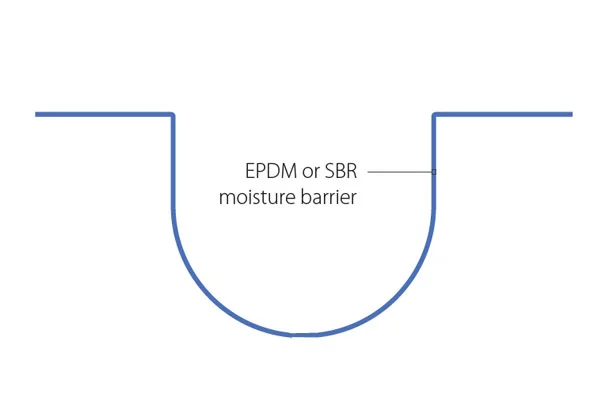
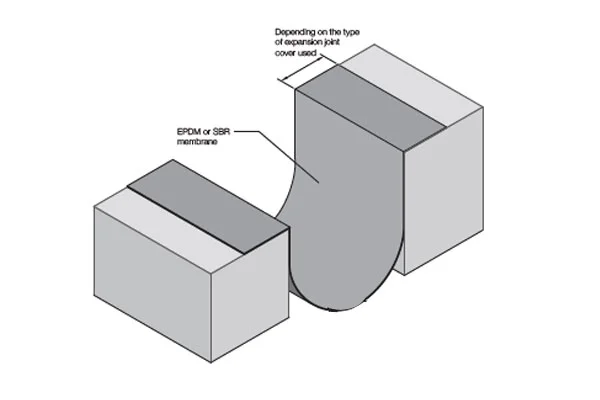
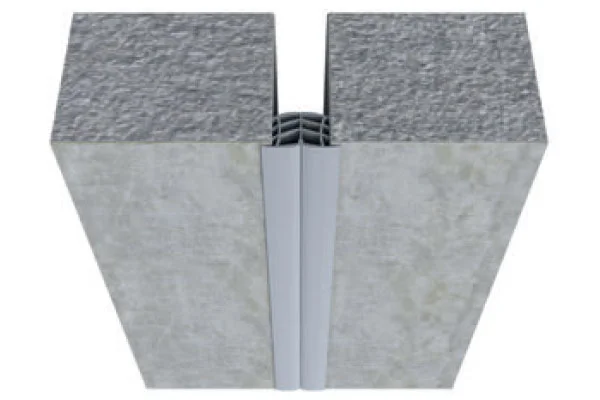
- Construction: The cornerstone of demand, encompassing structural glazing, curtain walling, expansion joint sealing, concrete repair, and waterproofing of basements and terraces.
- Industrial Manufacturing: Growing demand for bonding and sealing in the assembly of air conditioning units, metal fabrication, and composite panel production for the expanding industrial base.
- Automotive and Transportation: Used in vehicle assembly (windshields, body panels), maintenance, repair, and overhaul (MRO) activities, and in the expanding rail and metro network infrastructure.
- Marine and Shipbuilding: Critical for deck sealing, hull joints, and window glazing in boat building, repair yards, and offshore structures, leveraging polyurethane’s resistance to water and fuels.
Supply and Production
The supply landscape for polyurethane sealants in the UAE is predominantly characterized by imports, with domestic production playing a limited but strategic role. The majority of finished products are imported from global manufacturing hubs in Europe, Asia, and other Middle Eastern countries. However, several multinational chemical companies have established blending and packaging facilities within the UAE’s industrial free zones, such as Jebel Ali and Khalifa Industrial Zone Abu Dhabi (KIZAD).
These local facilities provide significant advantages, including faster delivery times, customization for regional climate conditions, and cost savings on logistics and tariffs. They serve as regional supply hubs not only for the domestic UAE market but also for re-export to neighboring GCC countries, Africa, and the broader Middle East. This localization of final-stage production aligns with the UAE’s “In-Country Value” (ICV) programs and enhances supply chain resilience.
Key raw materials, including polyols, isocyanates, and various additives, are almost entirely imported. The supply security and price volatility of these petrochemical-derived inputs are critical considerations for market players. Producers and large distributors maintain significant inventory buffers to mitigate supply chain disruptions. The logistical efficiency of the UAE’s ports and free zones is a foundational element supporting this import-dependent model, ensuring consistent availability of both raw materials and finished goods to meet project timelines.
Trade and Logistics
The UAE functions as a pivotal trade and re-export hub for polyurethane sealants in the Middle East and Africa region. The country’s world-class port infrastructure, most notably Port of Jebel Ali and Khalifa Port, coupled with extensive free zone networks and multi-modal connectivity, facilitates efficient import and distribution. The majority of imports arrive from key producing nations, with supply chains finely tuned to support the just-in-time delivery requirements of major construction projects and industrial consumers.
Re-exports constitute a significant portion of the trade activity, with UAE-based distributors and regional headquarters serving markets in Oman, Qatar, Kuwait, Saudi Arabia, East Africa, and the Indian subcontinent. The competitive advantages include streamlined customs procedures, excellent air and sea freight connections, and the ability to consolidate shipments. This re-export dynamic means that the UAE’s apparent consumption figures must be analyzed in conjunction with trade flow data to accurately gauge domestic demand.
Logistics costs and lead times are managed through sophisticated regional distribution centers (RDCs) operated by both manufacturers and large distributors. The market’s reliance on imports makes it sensitive to global freight rate fluctuations, port congestion, and geopolitical factors affecting shipping lanes. However, the UAE’s strategic investments in logistics infrastructure provide a relative buffer, ensuring it remains the preferred gateway for sealants entering the region.
Price Dynamics
Pricing in the UAE polyurethane sealants market is influenced by a complex interplay of global, regional, and local factors. The primary cost driver is the price of upstream petrochemical feedstocks, particularly for isocyanates (MDI, TDI) and polyols, which are tied to global oil prices and the supply-demand balance in the chemical industry. Fluctuations in these raw material costs are typically passed through the value chain, leading to periodic price adjustments for finished sealants.
At the regional level, competitive intensity exerts significant pressure on pricing. The market features numerous brands competing across price segments, from premium international products to more cost-competitive regional offerings. This competition is most acute in the standardized product categories for general construction, where procurement is often price-driven. Conversely, for specialized, high-performance formulations used in critical applications, buyers exhibit lower price sensitivity, prioritizing technical specifications, brand reputation, and certified quality.
Logistics costs, including international freight and local warehousing, and currency exchange rate volatility, especially for imports priced in Euros or US Dollars, are additional layers of price influence. Furthermore, large project-based contracts often involve negotiated pricing with volume discounts, which can differ markedly from spot market prices. Understanding these multi-layered dynamics is essential for both suppliers in pricing strategy and for buyers in procurement planning and budget forecasting.
Competitive Landscape
The competitive environment is bifurcated, featuring intense rivalry among globally diversified chemical companies and strong competition from regional and local specialists. The market is consolidated at the top, with a handful of multinational corporations holding leading positions across multiple product categories and end-use industries. These players compete on the basis of brand equity, extensive product portfolios, global R&D capabilities, and the ability to provide technical support for complex projects.
Key competitive strategies observed in the market include product differentiation through advanced formulations (e.g., green certifications, faster cure times), strategic localization of production or final blending, and the development of strong distributor networks that ensure product availability and local service. Partnerships with major construction contractors, glazing companies, and automotive OEMs are critical for securing specification-led demand. Furthermore, companies are increasingly investing in sustainability messaging, aligning their products with the UAE’s environmental and energy efficiency goals.
Prominent participants in the market landscape typically include:
- Multinational chemical giants with broad construction and industrial solutions portfolios.
- Global specialty adhesive and sealant manufacturers focused on high-performance segments.
- Large regional producers with significant market share in the Middle East.
- Local manufacturers and blenders catering to price-sensitive segments and offering rapid delivery.
- A network of authorized distributors and traders who play a crucial role in last-mile delivery and servicing smaller customers.
Methodology and Data Notes
This market analysis is built upon a rigorous, multi-faceted research methodology designed to ensure accuracy, reliability, and strategic relevance. The core approach integrates quantitative data gathering with qualitative expert analysis to provide a holistic view of the United Arab Emirates polyurethane sealants market. Primary research forms the foundation, involving in-depth interviews and surveys with key industry stakeholders across the value chain.
Primary research participants include executives and technical managers from polyurethane sealant manufacturers (both multinational and regional), major importers and distributors, leading construction contractors, glazing specialists, and procurement officials from key end-use industries such as automotive and industrial manufacturing. These interviews provide critical insights into market dynamics, pricing trends, supply chain issues, technological shifts, and competitive strategies that cannot be captured through desk research alone.
Secondary research complements primary findings and involves the systematic analysis of a wide array of credible sources. This includes official government statistics on construction output, industrial production, and international trade data from UAE customs authorities. Furthermore, we analyze company annual reports, financial disclosures, industry association publications, technical journals, and project databases related to major UAE infrastructure and development initiatives. All data is cross-verified, and growth rates, market shares, and qualitative assessments are derived from the synthesis of this information, with explicit assumptions clearly stated in the full report.
Outlook and Implications
The outlook for the United Arab Emirates polyurethane sealants market to 2035 is cautiously optimistic, underpinned by the nation’s long-term economic vision but subject to global macroeconomic cycles and regional competitive pressures. The market is expected to transition from a volume-driven growth model, heavily reliant on cyclical construction booms, towards a more value-driven and diversified growth trajectory. Demand will increasingly be segmented, with premium growth in high-performance, sustainable, and application-specific sealants outpacing the standard product segment.
Strategic implications for industry participants are significant. For suppliers, success will hinge on moving beyond mere product sales to offering integrated sealing solutions, backed by strong technical service and sustainability credentials. Investment in R&D to develop products tailored for the extreme Gulf climate and for new applications in renewable energy (e.g., solar panel sealing) and electric vehicle manufacturing will be crucial. Building resilient and agile supply chains, potentially through further localization or strategic inventory management, will be essential to navigate global trade uncertainties.
For investors and new market entrants, opportunities exist in niche segments underserved by major players, particularly in industrial maintenance and the growing retrofit market for building efficiency upgrades. Partnerships with local distributors or contractors can provide vital market access. For procurement and specification professionals in end-user industries, the evolving landscape suggests a need for more sophisticated supplier evaluation criteria, balancing cost with lifecycle performance, environmental impact, and supply chain reliability to mitigate project risks and align with corporate sustainability goals over the forecast period to 2035.
Source: IndexBox Platform