

Basement water damage can lead to major structural trouble and health concerns if it’s ignored. Small damp spots are easy to miss but can grow into costly repairs and hidden mold. This article points out the visual and structural clues to watch for, explains the health risks from mold, and shows why a professional waterproofing inspection pays off. Spotting these signs early helps you protect your home and your family.
What Are the Most Common Visual Signs of Basement Water Damage?
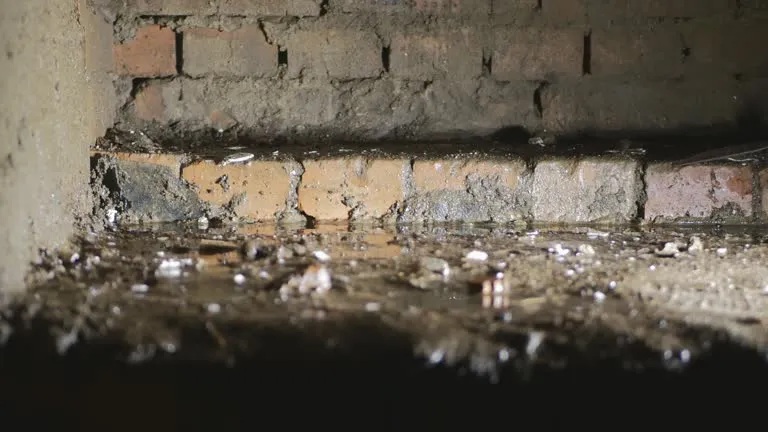
Finding visual signs early stops problems from getting worse. Look for damp patches, water stains, and white mineral deposits (efflorescence) on walls—these are clear signs of persistent moisture that can lead to mold and structural decay. Catching issues early lowers repair bills and reduces health risks tied to mold.
Experts recommend specific visual checks homeowners can use when inspecting basements for moisture entry.
Common Visual Signs of Basement Water Damage
Check basement surfaces for water staining, efflorescence (white powdery residue), visible mold growth, and condensation on pipes or fixtures.
Water Infiltration into Basements, 2021
How to Identify Water Stains and Efflorescence on Basement Walls
Water stains and efflorescence are among the clearest signs of basement moisture. Stains appear as dark or discolored patches where water has soaked the surface. Efflorescence shows up as a white, powdery mineral residue left behind when water evaporates from masonry. Do regular visual inspections and a simple touch check for dampness; for certainty, use a moisture meter or hire a pro for testing.

What Do Peeling Paint and Damp Spots Indicate About Moisture Problems?
Peeling paint and persistent damp spots are warning signs. Paint peels and blisters when the wall beneath stays wet, and ongoing dampness creates the conditions mold needs to grow. Track down the moisture source quickly and fix it to prevent further damage.
How Can Structural Signs Reveal Foundation Water Damage?
Structural warning signs often point to more serious foundation problems. Keep an eye out for foundation wall cracks, bowing walls, and uneven or sloping floors—these can all be caused or worsened by moisture. Recognizing these signs early is key to protecting your home’s structural integrity and the people inside.
Water’s effect on foundations is significant; research shows changes in groundwater and flooding can undermine soil support and damage foundations.
Water Table Changes & Foundation Damage
When groundwater levels drop or remain high, underlying soil can stay saturated. Flooding and erosion may remove supporting soil around foundations, causing serious damage.
The impact of changes in the water table and soil moisture on structural stability of buildings and foundation systems: systematic review CEE10-005 (SR90), DG Toll, 2012
What Foundation Cracks Should Homeowners Watch For?
Foundation cracks differ in cause and severity. Horizontal cracks often point to pressure from saturated soil outside the foundation, vertical cracks are usually from settling, and diagonal cracks can signal a mix of forces. Monitor any new or growing cracks and consult a professional to diagnose the cause and recommend repairs.
How Do Bowing Walls and Floor Seepage Signal Basement Moisture Issues?
Bowing walls and water seeping through the floor are serious and need prompt attention. Bowing usually results from hydrostatic pressure—the soil fills with water and pushes inward on the wall. Floor seepage means water is coming up through the slab, which can encourage mold and damage finishes or structure. Get a professional assessment to address these issues and avoid more expensive repairs later.
What Are the Health Risks Associated with Basement Mold and Water Damage?
Mold in basements can harm health, especially for people with asthma, allergies, or other respiratory issues. Knowing how mold affects health helps homeowners act sooner. Damp basements are prime locations for mold growth when water problems exist.
Multiple studies link unchecked mold to both health concerns and accelerated building material decay.
Health Risks & Material Damage from Basement Mold
Mold is present in roughly one in three homes and is a common cause of complaints and legal claims in some areas. Excessive dampness—from design, construction, maintenance failures, or occupant behavior—drives indoor mold growth. Effects range from faster deterioration of building materials and costly renovation to degraded indoor environments that threaten residents’ physical and mental well‑being.
Indoor air quality and early detection of mould growth in residential buildings: a case study, A Brambilla, 2022

How Does Mold Growth Affect Indoor Air Quality and Family Health?
Mold worsens indoor air quality and can trigger respiratory symptoms, allergic reactions, and, in some cases, more persistent health problems. Mold spores can set off asthma attacks and other sensitivities in vulnerable people. Keeping basements dry and ventilated is one of the best ways to prevent mold and protect family health.
What Are the Early Indicators of Mold and Moisture-Related Health Concerns?
Early signs of mold-related health issues include ongoing coughing, sneezing, watery eyes, and skin irritation. Pay attention to these symptoms in homes with moisture problems. Visible mold is a clear prompt to act: remove the moisture source and remediate contaminated areas to lower health risks.
How Does a Professional Basement Waterproofing Inspection Help Detect Water Damage?
A professional waterproofing inspection uncovers hidden water damage and helps stop future issues. Inspectors perform a thorough review of walls, floors, and drainage, spot signs that are easy to miss, and recommend practical fixes. Knowing what an inspection covers helps homeowners make smarter decisions about repairs and prevention.
What Does a Comprehensive Waterproofing Inspection Checklist Include?
A complete inspection includes visual checks of walls and floors, moisture readings, and an assessment of foundation condition and existing waterproofing systems. Inspectors search for stains, efflorescence, trapped moisture, and failing seals—so problems are identified before they get worse.
How Can Early Detection Prevent Costly Foundation Repairs and Mold Remediation?
Finding problems early lowers the cost and scope of foundation repairs and mold cleanup. Early action lets homeowners use targeted waterproofing solutions and avoid larger structural or mold remediation expenses. Regular inspections and timely maintenance are the best defense for protecting a home’s value and safety.
Ohio State Waterproofing focuses on basement waterproofing and foundation repair for Ohio homeowners. We offer free inspections to help you spot water damage early and recommend the right repairs before small issues become big problems. Protecting your home from water damage preserves its structure and supports your family’s health.
**