Who Should I Hire for Basement Waterproofing in NE Ohio? A Practical Guide to Picking the Right Contractor
Choosing someone to waterproof your NE Ohio basement is about more than a price tag — it’s choosing technical skill, knowledge of local soils and weather, and long-term protection that preserves your home’s value and health. This guide walks you through the signs that you need waterproofing, the services contractors offer, how to compare bids, the real cost drivers, a typical contractor process, and what local homeowners report after repairs. Focusing on NE Ohio-specific issues — clay soils, freeze-thaw cycles, and heavy lateral pressure — helps you connect symptoms to solutions and pick a contractor who will deliver a lasting fix. You’ll get a homeowner checklist to verify credentials, clear comparisons of interior vs. exterior methods, an honest breakdown of cost factors, and what to expect from inspections and warranties. Throughout, the advice keeps homeowners first and points you to the company information you’ll need if you want to schedule a free inspection.
What Are the Key Signs You Need Basement Waterproofing in NE Ohio?
Waterproofing becomes necessary when active water entry, structural movement, or persistent moisture show that passive measures aren’t stopping the problem. Groundwater, surface runoff, and freeze-thaw cycles can overwhelm a foundation’s defenses — and waterproofing restores a dry, usable space. Spotting these issues early prevents mold and structural damage and helps decide whether an interior or exterior solution is right. Use visible symptoms and a few simple checks to judge urgency and guide a contractor’s diagnosis. Here’s a homeowner-friendly checklist of common signs that deserve a professional look.
- Standing water or active seepage after storms, a sign of failing drainage or a high water table.
- Musty smells, visible mold, or continual condensation — indicators of chronic humidity and mold risk.
- White, powdery efflorescence or dark stains on walls and floors, showing repeated moisture movement through concrete.
- New or widening cracks in walls or floors, especially horizontal or stair-step patterns that suggest pressure or settlement.
- Bowing, leaning, or bulging basement walls, which point to lateral earth pressure and possible structural failure.
- Water showing up after light rain, which often signals poor grading, clogged gutters, or failing exterior drains.
Use these signs to set priorities: active seepage and bowed walls need prompt professional assessment, while dampness and efflorescence can sometimes start with moisture-control measures. Properly reading the indicators helps determine whether you need drainage upgrades, moisture control, or structural repair.
How to Recognize Water Damage and Mold in NE Ohio Basements
Spotting water damage and mold starts with simple visual and smell checks: discoloration, peeling paint, blistering, or visible mold colonies point to moisture that’s affected finishes and materials. Pay attention to where problems repeat — that pattern is a strong clue to the source.
NE Ohio’s seasonal humidity and freeze-thaw cycles can cause repeated wetting, so check after heavy rains and during spring thaw. Take photos and note when water appears: problems that show only after storms often indicate drainage issues, while constant dampness usually means groundwater pressure. If you see mold across multiple surfaces or occupants report respiratory symptoms, get a professional remediation assessment along with your waterproofing plan.
When Does Your Foundation Require Professional Repair?
Not every crack is a structural emergency, but some patterns do require foundation repair:
- Wide cracks (over 1/4 inch), horizontal cracks, or stair-step cracks — especially when doors stick or floors become uneven — point to structural movement.
- Hairline vertical cracks are often from shrinkage and can usually be sealed.
- Bowing, leaning, or bulging walls need structural stabilization, which may include carbon fiber, steel anchors, or rebuilt footings.
Professional diagnostics should measure cracks over time and evaluate lateral earth pressure and soil type. Early intervention can stop small problems from becoming expensive foundation reconstruction.
What Basement Waterproofing Services Do NE Ohio Contractors Offer?
Contractors typically provide interior systems, exterior excavation and drainage, sump pump installation, crawl space encapsulation, and foundation crack repair. Each method targets different sources of moisture and structural load — contractors choose the right mix based on diagnosis and site constraints.
Interior systems, like drain tile and sump pumps, manage water that enters through floors and walls by capturing and diverting it. Exterior systems restore or install footing drains and waterproof coatings to stop water before it reaches the foundation. Which approach fits depends on soil, lot access, whether the basement is finished, and your long-term goals for resale or habitability.
Different approaches trade off disruption, cost, and long-term performance — here’s a quick comparison to help match a solution to the problem.
Match the remedy to the cause: interior systems manage inward water, exterior work fixes site drainage failures, and sump pumps give active protection where water entry is expected. Next, here’s how interior and exterior methods differ in disruption and longevity.
What Are the Differences Between Interior and Exterior Waterproofing Methods?
Interior waterproofing uses drain tile, sealed channels, and a sump pump to intercept water at the slab level and pump it away. It’s typically less invasive to landscaping and is a good choice for finished basements or tight lot lines.
Exterior waterproofing requires excavation to apply waterproof coatings and install footing drains, removing the source of seepage and reducing hydrostatic pressure on the foundation. It can be more costly and disruptive but often provides the most permanent fix for poor site drainage.
Your contractor should explain which path fits your soil, access, and long-term goals before you decide.
How Do Sump Pump Installation and Drainage Systems Protect Your NE Ohio Home?
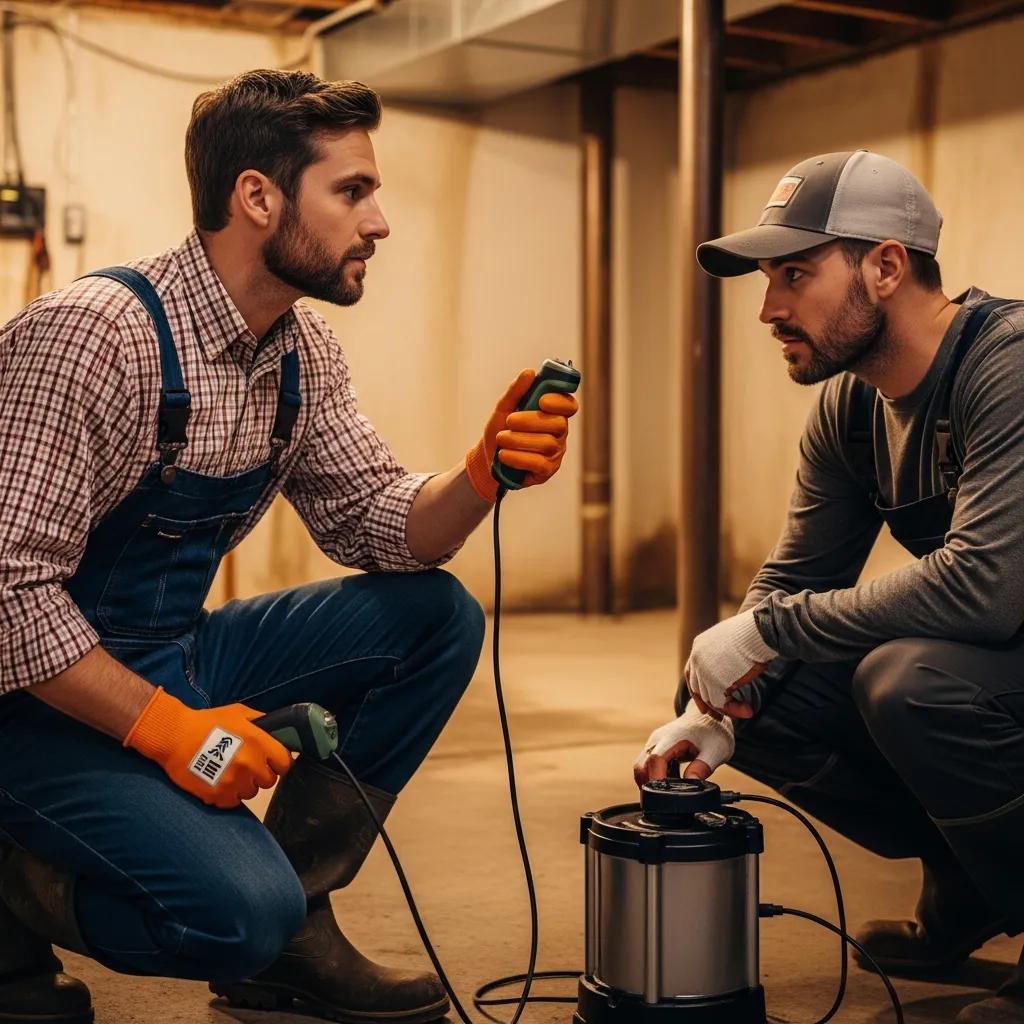
A sump pump sits in a pit and senses collected water, pumping it away from the foundation to prevent standing water and protect finishes and possessions. Paired with interior drain tile, it’s a reliable system for managing groundwater intrusion.
Submersible and pedestal pumps are common: submersible units run quieter and sit in the pit; pedestal pumps are easier to service. Adding a battery backup is smart — storms often bring power loss when you need pumping most.
Regular maintenance — testing the float switch, clearing debris, and verifying discharge — keeps the pump reliable and helps maintain warranty coverage.
How to Choose the Best Basement Waterproofing Company in NE Ohio?
Pick a contractor with clear credentials, local experience, a transparent scope and pricing, and meaningful warranties — these reduce the risk of short-term fixes and surprise costs.
Start by asking for a written, itemized estimate that explains the diagnosed cause and recommended work. Verify insurance, bonding, and local references from projects dealing with NE Ohio’s clay soils and freeze-thaw cycles. Make sure the approach in the quote matches the diagnosis — interior systems for groundwater, exterior excavation for chronic site drainage failure, and foundation repair for structural movement. Use this checklist when vetting contractors.
- Get a detailed written scope and itemized costs for materials and labor.
- Ask for proof of insurance, bonding, and references from nearby projects.
- Confirm warranty terms, including whether they transfer to a new owner and what’s covered.
- Request case studies or examples showing fixes for clay soil, freeze-thaw damage, or bowed walls.
- Ensure the proposal explains long-term maintenance and expected system lifespan.
These steps will help you separate reputable providers from quick-fix contractors. After checking them, weigh company history and warranty features to make a final choice.
What Are the Most Important Factors When Hiring Waterproofing Contractors?
Focus on a transparent scope, verifiable local experience, clear warranty language, and documented references — together these show the contractor understands NE Ohio geology and delivers durable results.
Ask for documentation spelling out materials, site restoration plans, timeline, and who will handle permits or inspections.
Watch for red flags: vague scopes, refusal to provide references, or pressure to sign before an inspection. Compare multiple written estimates so you can see differences in methods and cost drivers and choose the technical fit that protects your home long term.
Why Should You Trust Ohio State Waterproofing for Your NE Ohio Basement?
Ohio State Waterproofing offers verifiable trust signals: founded in 1977, a reported base of more than 90,000 customers, patented solutions aimed at root causes, and a lifetime transferable warranty. Those facts align with the homeowner priorities of local experience, engineered solutions, and warranty-backed confidence.
If you want a no-pressure next step, Ohio State Waterproofing provides a free inspection to diagnose the cause and deliver a written proposal — a useful way to compare professional recommendations before deciding.
Understanding typical costs next will help you frame any investment.
How Much Does Basement Waterproofing Cost in NE Ohio?
Costs vary widely depending on scope: interior systems with drain tile and a sump pump are typically less expensive, while exterior excavation, major foundation repair, or projects that require significant landscape restoration raise the price.
Main cost drivers include how extensive the water intrusion is, whether structural repairs are needed, ease of access, and the system type. NE Ohio’s soil and frost-line conditions also add complexity.
Below is an EAV-style table showing service types, typical price drivers, and homeowner-impact notes so you can see why estimates differ and where to look for value.
After reviewing these drivers, ask contractors to itemize how each factor applies to your property and where you might optimize value.
What Cost Factors Affect Basement Waterproofing Prices in NE Ohio?
NE Ohio-specific cost drivers include dense clay soils that increase lateral earth pressure, freeze-thaw cycles that demand more robust drainage and materials, and tight lot access that raises excavation labor.
You can reduce costs by combining work with planned renovations, choosing interior systems when appropriate to avoid major landscaping changes, and getting multiple detailed bids to compare true value. Clear communication with contractors about site limits and long-term goals helps tailor a solution within your budget.
The dense nature of clay and silt soils in the NE Ohio area significantly changes how water interacts with foundations and should factor into any proposal.
Understanding Clay and Silt Soils in Basement Waterproofing
Clay and silt are dense soils that can hold water against foundation walls because they absorb slowly and retain moisture. If that water isn’t managed, it can cause substantial basement damage.
Basements, 1953
Are There Hidden or Unexpected Costs to Watch For?
Surprises often come from uncovering hidden foundation damage, rot, or older drainage systems that need repair — all of which can trigger change orders. Permits and inspections can add fees, and exterior work may require landscape, hardscape, or driveway restoration.
To reduce surprises, ask contractors to list likely contingencies, require written change-order approval, and keep a contingency budget for unforeseen structural repairs. A clear contract that spells out who handles permits and restoration work lowers the risk of disputes and makes final costs more predictable.
What Is the Ohio State Waterproofing Process for a Dry Basement in NE Ohio?
A dependable process starts with a free on-site inspection, followed by diagnosis, a written recommendation that pairs cause and solution, professional installation, and a warranty transfer. That sequence ensures you get a targeted fix rather than a one-size-fits-all approach.
Ohio State Waterproofing follows this customer path: a free inspection to observe symptoms, test drainage, and produce an itemized estimate, then recommended solutions such as interior drain systems, sump pumps with backup, or structural stabilization using their patented products where appropriate.
The company highlights patented solutions and a lifetime transferable warranty as homeowner protections, and installations typically include follow-up to confirm system performance.
Below is a product/solution map that explains attributes and homeowner benefits of the named products the company references.
These mappings make it easier to see which product addresses your problem and how warranty and design support long-term performance.
How Does the Free Basement Inspection Work?
A free inspection is an on-site assessment of visible symptoms, homeowner observations, and basic tests of moisture and drainage patterns. The inspector documents findings with photos and explains likely causes.
Prepare by noting when water appears, any recent landscaping changes, and the history of past repairs — that information helps pinpoint triggers.
The inspector will outline options, weigh pros and cons of interior versus exterior fixes, and provide a written estimate with an expected timeline.
This no-cost consult is meant to be informative and pressure-free so you can compare professional recommendations before you commit.
What Are the Patented Solutions and Lifetime Warranty Benefits?
Patented systems are engineered to address specific failure modes — for example, stabilizing walls under lateral pressure or integrating pump backup — and can offer advantages over generic fixes.
A lifetime transferable warranty covers workmanship and specified components for the system’s life and can add resale confidence when it transfers to a new owner.
Always request written warranty terms that spell out covered items, exclusions, and transfer steps so you can compare real value across proposals. Clear warranty paperwork paired with a documented installation process gives better long-term protection and supports future property transactions.
What Do NE Ohio Homeowners Say About Their Basement Waterproofing Experience?
Homeowners commonly report consistently dry basements, less mold, and stabilized foundations after complete waterproofing and repairs — outcomes that improve livability, reduce health risks, and protect property value.
Feedback often highlights practical factors that matter most: accurate diagnosis, clear scopes, and reliable warranty coverage rather than marketing promises.
Ohio State Waterproofing’s trust elements — founded in 1977, more than 90,000 reported customers, patented solutions, and a lifetime transferable warranty — are often cited by homeowners as reasons they felt confident in the choice.
Below are short answers to frequent homeowner questions to help you finalize decisions before scheduling an inspection.
Homeowner questions and short answers clarify expectations and next steps.
- How long does work usually take and when will the basement be dry? A typical interior install can be done in days and usually stops active seepage right away; full drying time depends on humidity and the scope of remediation.
- What does a lifetime transferable warranty cover? It typically covers workmanship and specified system components for the life of the product and can transfer to a new owner under documented terms.
- How should I prepare for an inspection or installation? Clear basement access, a list of symptoms and timing, and photos help the inspector; for installation, expect brief disruption and coordinate landscaping restoration if exterior work is needed.
How Have Ohio State Waterproofing’s Services Helped Local Customers?
Ohio State Waterproofing says its work has converted recurring moisture problems into dry, usable basements for tens of thousands of homeowners by matching diagnosis to targeted solutions — for example, replacing failing pump setups with integrated systems that include backup or stabilizing bowed walls with engineered reinforcements.
Customers value clear estimates, productized solutions like StablWall and E-Z Breathe, and the peace of mind from a lifetime transferable warranty.
If you want deeper assurance, the company’s case studies and testimonials show project examples and outcomes to help compare results by project type.
When soil conditions are challenging, choosing a waterproofing system designed for high clay content is essential for effective water management.
Waterproofing Systems for High Clay Content Soils
Soils with high clay content tend to be impermeable and can hold water against foundation walls. Selecting a waterproofing membrane and system that resists water and withstands expected pressure is critical to protect the basement.
An Analysis of Waterproofing Systems and Materials, 2008
What Are Common Customer Questions About Basement Waterproofing in NE Ohio?
Prospective customers often ask about timing, the level of disruption, warranty specifics, and cost transparency. Clear answers reduce friction and make it easier to compare bids.
Expect interior projects to be quicker than full exterior excavations and plan for temporary disruption during work.
Always verify warranty details in writing and ask how transferability works if you may sell the home.
For cost clarity, request itemized bids and a list of contingencies so you understand potential extra costs before work begins.
These practical answers prepare homeowners to request informed proposals and schedule a free inspection to resolve basement water issues with confidence.