You’ve just discovered a flooded basement, your heart sinks as you consider the immediate costs of clean-up and repair. But have you considered the long-term financial implications? We’re not just talking about replacing drywall and flooring, but potentially thousands in mold remediation. And don’t forget the knock-on effects on your property’s market value and insurance premiums. Willing to learn how to prevent such a disastrous scenario? Stay with us, we’ve got some essential insights to share.
Key Takeaways
- Basement flooding costs include immediate clean-up, mold remediation, and structural repairs.
- Waterproofing solutions and sump pumps are long-term investments against flood damage.
- Mold removal and prevention measures can reach thousands of dollars.
- Flood history can lower property values, increase insurance premiums, and deter buyers.
- Health risks from mold exposure include respiratory issues, allergies, and potential chronic conditions.
Understanding Basement Flooding
When you’re dealing with basement flooding, it’s crucial to understand the underlying causes. Climate change, for instance, can exacerbate extreme weather events, leading to more frequent and severe flooding. Ensuring you’ve conducted a thorough risk assessment can help you plan for such scenarios.
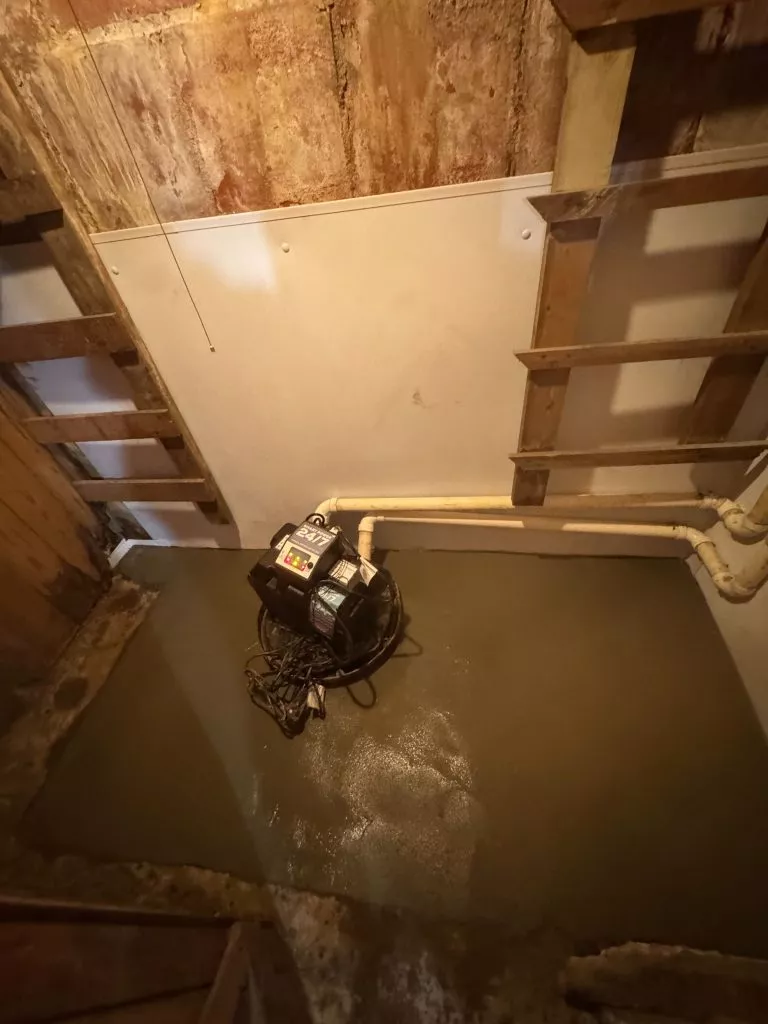
Proper water drainage is critical here. It’s not just about managing rainwater; you also need to take into account groundwater. Installing sump pumps can be an effective flood prevention measure, removing water that has accumulated in a water-collecting sump basin.
You’ll want to invest in basement waterproofing as well, which offers long-term moisture control.
Now, let’s talk about insurance. Standard homeowners’ insurance doesn’t typically cover flooding. That’s why it’s important to look into flood insurance, ensuring you have adequate coverage in case of an emergency.
Don’t forget about the role of an emergency response team, either. They can be invaluable in mitigating damage when a flood occurs.
You mightn’t realize it, but the immediate clean-up costs after a basement flood can add up quickly. It’s not just about mopping up the water; it involves emergency services, specialized water extraction, and other safety precautions.
You’ll need to engage professional restoration companies with the right cleanup equipment to guarantee that no water is left behind. These companies also perform meticulous property inspections to assess the long-term effects of the flood.
Now, you’re thinking, “Won’t my insurance coverage handle this?” Well, it’s not always that simple. Insurance claims can be a tedious process and not all damage may be covered. Each policy varies, and you might’ve to bear some costs out of pocket.
This is where disaster preparedness comes in handy. Having a well-documented inventory of your basement can expedite your insurance claim, potentially saving you a significant amount.
Keep in mind, though, that these immediate costs are just the beginning. There are long-term impacts to take into account as well.
But by taking the right steps, you can minimize both the immediate and future costs of a basement flood. It’s all about taking the right precautions and being prepared.
Structural Repair Expenses
Now, let’s look at structural repair expenses.
These can include costs related to fixing foundation damage, repairing drywall, and replacing flooring.
It’s important to understand these expenses to manage your budget effectively during the recovery process.
Foundation Damage Costs
Dealing with basement flood damage often leads to confronting an equally grim reality – foundation damage. This hidden cost can be a real punch in the gut as you navigate insurance coverage and repair timelines.
It’s vital to get a foundation inspection done as soon as you notice any signs of damage such as settlement cracks.
DIY solutions might seem tempting, but they can end up costing you more in the long run. This is because foundation repairs often involve complex tasks like fixing drainage systems or addressing soil erosion – tasks best left to professionals.
The long-term effects of not dealing with foundation damage properly could be severe. These include structural instability and even a decrease in your home’s market value.
Also, be aware that not all insurance policies cover foundation damage, especially if it’s due to flooding. You’ll need to check your policy carefully and possibly consider adding flood insurance.
In short, the financial strain caused by foundation damage can be significant. But with the right approach and professional help, you can navigate this challenge and restore the integrity of your home.
Drywall Repair Expenses
On top of foundation repairs, another cost that arises from basement flood damage is drywall repair. It’s not just about patching holes or cracks; you’re likely dealing with a complete drywall installation. Water can severely damage drywall, making it crumble and mold.
Drywall installation costs can vary, but you’re looking at an average of $1.50 per square foot. For an average-sized basement, that’s approximately $1,500. But don’t forget, that’s just the drywall.
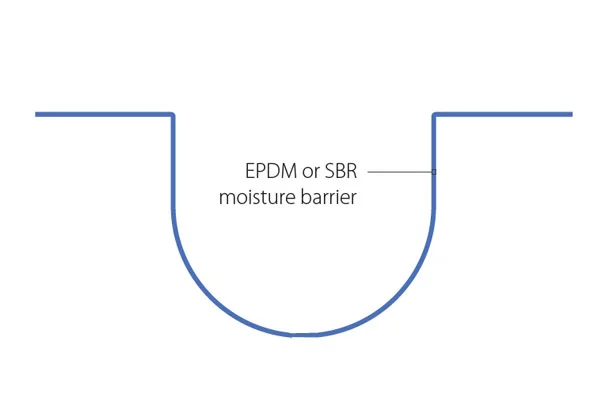
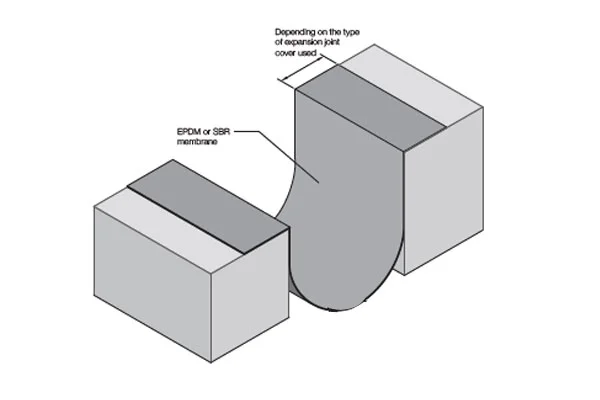
You’ll also need to take into account the cost of moisture barriers. Moisture barriers are essential in any basement, but especially in one that’s had flood damage. It’s a protective layer that prevents moisture from seeping into your newly installed drywall. Without it, you’re risking more damage and more repairs down the line.
The cost for these can range from $0.50 to $0.70 per square foot, adding an additional $500 on average to your drywall repair cost.
All in, you’re looking at a potential cost of $2,000 or more for drywall repairs after a basement flood. It’s a hefty price to pay, but it’s vital to restore your basement to a healthy, livable condition.
Flooring Replacement Charges
After addressing the drywall, your next big ticket item is likely to be floor replacement. This charge varies considerably, primarily depending on the flooring materials you select. From hardwood to laminate, vinyl, or carpet, each material has a unique cost and installation techniques associated with it.
For instance, hardwood may offer long term durability and aesthetic appeal, but it’s often more expensive than alternatives like vinyl or laminate. You’ll also need to install moisture barriers with certain flooring types — another cost to take into account.
Don’t forget to do some cost comparisons before making your choice. Insurance coverage might offset some of these costs, so check your policy carefully. If it doesn’t cover everything, you might want to explore DIY options to save money. But remember, incorrect installation could lead to further damage down the line.
Ultimately, the choice of flooring material hinges on a balance between cost, aesthetic choices, and long term durability. By carefully weighing all these factors, you’ll be better prepared to handle the financial burden of replacing your basement’s floor after a flood.
The Hidden Cost of Mold
You’ve tackled the structural repairs, but what about the hidden cost of mold?
It’s imperative to understand how mold growth can occur in your damp basement, and the potential health implications it holds.
Equally important is recognizing the expenses associated with mold remediation, which can be a significant cost you hadn’t accounted for.
Understanding Mold Growth
In the aftermath of a basement flood, one of the most insidious problems you might face is mold growth. This silent invader can cause extensive damage, far beyond what the initial water intrusion may cause.
Understanding different mold types can help you deal with this issue more effectively. Some types, like black mold, are more hazardous than others. They can cause structural damage to your home and potentially decrease its value.
Mold prevention is vital in avoiding these problems. It’s important to dry out your basement as quickly as possible after a flood. Invest in a good dehumidifier and consider hiring a professional to guarantee all moisture is effectively removed.
Remember, mold thrives on moisture and organic material. Keeping your basement dry and clean is the best way to prevent mold growth.
But if you’ve already found mold in your basement, don’t despair. There are many mold remediation services available that can help you tackle the problem.
The costs related to mold damage can be significant, but understanding and preventing mold growth can save you a lot of headaches down the line. You’re not just protecting your home; you’re also protecting your investment.
Health Implications of Mold
While mold damage poses a tangible threat to your home, it’s the hidden health implications that can be even more concerning.
Mold symptoms can range from mild to severe, affecting your respiratory system, triggering allergies, and even impacting your mental health.
Mold spores can considerably degrade air quality, leading to an array of health risks. You may notice increased respiratory issues as your immune response kicks into high gear to combat these invaders. Those with pre-existing conditions like asthma can experience even more severe complications.
Allergy triggers can multiply, as mold serves as a potent allergen. You may notice itchy eyes, sneezing, and skin irritation. In the long term, mold exposure can lead to chronic respiratory conditions and can even impact child development.
Mold’s effects on mental health are often overlooked. Studies have linked mold exposure to symptoms of anxiety and depression. The stress of dealing with mold symptoms can also exacerbate mental health conditions.
Prevention strategies are key to mitigating these risks. Regularly inspecting your home, especially areas prone to moisture like your basement, is a proactive measure that can save you a lot of headaches down the line.
Mold Remediation Expenses
Beyond the health risks, another often overlooked impact of mold is the financial burden it can impose. When you’re dealing with the aftermath of a basement flood, you might think the worst is over once the water’s gone. But then, you discover mold.
Mold testing becomes your first expense. Professionals need to identify the extent of the problem, the type of mold, and how far it’s spread. You can’t skimp on this step; it’s essential for the eventual mold removal.
Next comes the actual mold removal process. The cost depends on the severity of the infestation and the area that needs to be treated. If it’s extensive, you’re looking at thousands of dollars, easily.
Then, there’s the reconstruction cost. Mold-infested materials, like drywall and carpeting, often need to be completely replaced. Plus, there’s the cost of preventive measures to stop future growth, like improved ventilation or dehumidifiers.
In short, mold isn’t just a health hazard; it’s a massive hit to your wallet. The true cost of basement flood damage isn’t just the immediate cleanup, but the hidden expenses of mold that can creep up on you.
Impact on Property Value
Property value takes a serious hit when basement flood damage comes into play.
It’s not just about the immediate repair costs, it’s also about the long-term implications. When a property appraisal comes around, signs of previous water damage can lower the home’s value substantially. You’ll face insurance implications too, with higher premiums or even denial of coverage.
Market trends show that buyers are increasingly concerned about potential flood risks. When making neighborhood comparisons, your home might fall short if there’s a history of basement flooding. Buyer perceptions play a big role in this. They’re often wary of houses with a history of water damage, fearing future issues and resale challenges.
This can seriously hamper your home’s investment potential. The financial consequences extend beyond lower sale price. You might also face higher maintenance and insurance costs, not to mention the potential for lost rent if you’re a landlord.
Preventative Measures and Costs
Taking action before disaster strikes is the key to safeguarding your home from basement flood damage. It starts with investing in waterproofing solutions. They may seem pricey initially, but compare that to the cost of a flooded basement and the choice becomes clear.
Superior waterproofing solutions not only protect your basement from flooding but also reduce humidity, preventing mold and mildew growth.
Now, you’re probably asking, “What about a sump pump?” That’s a great question. A sump pump is your basement’s best friend in the fight against water damage. It’s designed to pump water away from your house to a place where it won’t cause problems.
The cost of a sump pump installation varies, but keep in mind, it’s cheaper than the cost of repairing flood damage.
Look, nobody likes to spend money unnecessarily. But think about it this way: you’re not just spending money; you’re investing in the safety and longevity of your home.
Frequently Asked Questions
Does Homeowners Insurance Typically Cover Basement Flood Damage?
Typically, your homeowner’s insurance doesn’t cover basement flood damage. You’d need specific flood insurance for that.
Even so, coverage limits apply, so it’s essential to understand what’s included. It’s not just about replacing damaged items; there’s also cleanup and potential structural repair costs.
Always check your policy carefully and consider additional flood insurance if you’re at risk. It’s better to be safe than sorry with potential flood damage.
Can Flood Damage Affect the Electrical Wiring in the Basement?
Absolutely, flood damage can impact the electrical wiring in your basement.
It’s essential to prioritize electrical safety after a flood. Water can corrode wires, leading to potential fire hazards or electrical shocks.
Don’t attempt to inspect or fix the wiring yourself. Instead, hire a professional to conduct a thorough wiring inspection.
They’ll assess the damage, guarantee safety, and make necessary repairs, thereby preventing further issues down the line.
How Does Flooding Impact the Lifespan of a Basements Foundation?
Flooding can seriously impact your basement’s foundation. When water seeps into the foundation, it causes moisture retention.
Over time, this retained moisture leads to foundation deterioration. Cracks may start to form, weakening the overall structure.
If not addressed promptly, it’s not just a repair you’re looking at, but a complete replacement.
It’s essential to take immediate action after a flood to minimize damage and extend the lifespan of your basement foundation.
Are There Any Health Risks Associated With a Flooded Basement?
Yes, there are health risks associated with a flooded basement.
You’re likely to encounter mold growth, which can cause allergies and respiratory issues.
Also, floodwater can carry contaminants that may lead to waterborne diseases.
It’s essential to clean up and dry out your basement promptly to prevent these risks.
You should also consider professional help to guarantee all potential hazards are effectively dealt with.
What Are the Best Professional Services for Basement Flood Damage Restoration?
When it comes to restoring your flooded basement, you’ll want to hire professionals specializing in water removal and mold remediation.
They’ll efficiently extract the water, dry out the area, and eradicate any mold growth. Companies like ServiceMaster Restore and SERVPRO are known for their expertise in these areas.
Conclusion
Basement flood damage isn’t just about immediate repair costs. You’ll also deal with expensive structural repairs and mold remediation. Then there’s the hidden price: health risks and depreciated property value. Plus, expect your insurance premiums to go up. So, it’s not just wise, it’s crucial to take preventative measures. After all, preventing a flood can save you a ton, both regarding money and stress.