Skip to content
Ever wondered why your basement isn’t as dry as it should be, no matter the season? Well, it’s not just about sealing leaks or slapping on a coat of waterproof paint. It’s a blend of understanding condensation, insulation, and ventilation. You’ll need to keep an eye on everything from the soil around your house to the humidity levels inside it. But don’t worry, there’s a science to keeping your basement dry year-round and it’s simpler than you might think. Intrigued? Let’s explore this further.
Key Takeaways
- Basement waterproofing, including insulation and moisture barriers, prevents water seepage and maintains temperature to reduce moisture intrusion.
- Proper ventilation and humidity control, including the use of dehumidifiers, prevent mold growth and enhance air quality in basements.
- Regular maintenance and repairs of leaks prevent moisture buildup and ensure a dry basement environment year-round.
- Soil type and regional climate impact basement dampness; installing French drains or sump pumps, or using landscaping techniques can manage this.
- Energy-efficient strategies like insulation upgrades and smart thermostats reduce HVAC load, maintaining a dry and comfortable basement climate.
Understanding Basement Moisture Sources
Countless homeowners grapple with basement moisture issues. It’s a common problem, but one you can conquer by understanding where that dampness comes from.
The two main sources of moisture in your basement are condensation and leaks, so let’s talk about both.
Condensation occurs when warm, moist air comes into contact with a cooler surface – like your basement walls or floor. It’s the same principle that makes a cold drink “sweat” on a hot day. You can control condensation by reducing the humidity in your basement, and there are several ways to do it.
Leaky pipes, cracks in your foundation, or improperly sealed windows can all let water in. That’s where construction materials come in.
The Role of Soil in Basement Dampness
Believe it or not, the type of soil around your home plays a significant role in your basement’s dampness. Soil composition, in particular, can facilitate or hinder water movement, directly impacting your basement’s moisture levels.
Here’s the deal: clay soils hold water tightly, meaning they drain slowly. If your home’s surrounded by clay, rainwater or melting snow mightn’t drain away quickly enough, leading to water seeping into your basement.
On the other hand, sandy soils allow water to pass through rapidly, improving drainage patterns but potentially bringing water too close to your foundation.
Now, you can’t change the type of soil you’ve got, but you can work with it. For clay soils, consider installing a French drain or a sump pump to help move water away.
For sandy soils, consider landscaping techniques to direct water away from your home.
Impact of Climate on Basement Humidity
You mightn’t realize it, but your basement’s humidity can be greatly affected by the climate in your area.
From seasonal changes to regional differences and even the ongoing impact of climate change, there’s a lot to consider.
Let’s examine how these factors can influence the moisture level in your basement and what you can do about it.
Understanding Regional Climate Differences
Climate plays a crucial role in determining the humidity levels in your basement. Your regional climate, which is influenced by geographic factors, heavily impacts moisture patterns, weather extremes, and temperature fluctuations. Understanding these factors can assist you in maintaining optimal humidity levels in your basement throughout the year.
For instance, areas with high precipitation trends typically experience increased basement humidity due to excess moisture. Conversely, regions with lower precipitation and higher temperature fluctuations might have less consistent basement humidity levels. Weather extremes, such as heatwaves or heavy rainfall, can also spike humidity levels, creating an uncomfortable and potentially damaging environment in your basement.
Here is a simple table that outlines how different regional climates can affect basement humidity:
| Regional Climate | Weather Extremes | Impact on Basement Humidity |
|---|---|---|
| High Precipitation | Heavy Rainfall | Increased Humidity |
| Low Precipitation | Heatwaves | Unstable Humidity |
| Temperature Fluctuations | Cold Snaps | Decreased Humidity |
| Seasonal Changes | Winter Freeze | Lower Humidity |
Seasonal Variations in Humidity
Just as your regional climate affects basement humidity, so too do seasonal changes. Your basement’s climate isn’t immune to the changes happening outside, and as the seasons rotate, this can lead to significant shifts in humidity levels.
Humidity monitoring becomes crucial in understanding and managing these changes.
In summer, you’ll often see a rise in humidity levels. As the air outside heats up, it can hold more moisture, which can seep into your basement, causing damp conditions.
Conversely, winter often brings drier air, potentially leading to a decrease in basement humidity.
But it’s not as straightforward as just “summer equals humid, winter equals dry.” Other factors, like rainfall frequency and temperature fluctuations, can also influence your basement’s humidity levels.
Climate Change’s Role
While it’s easy to overlook, global warming plays a significant role in your basement’s humidity levels. Climate change affects global climate patterns, which can, in turn, increase rainfall variability. This increase in rainfall variability can lead to more frequent and intense storms, resulting in more water seeping into your basement.
Furthermore, higher temperatures can lead to more humid conditions, causing more dampness in your basement. This dampness could potentially lead to mold growth and other structural issues if not addressed properly.
To help you understand better, here’s how the changing climate can affect your basement’s humidity:
- Increased rainfall can lead to more water seeping into your basement.
- Higher temperatures can cause more humid conditions, adding to the dampness in your basement.
- The combination of high humidity and dampness can lead to mold growth.
- Over time, these conditions could potentially cause structural issues.
The Science of Basement Waterproofing
Although you mightn’t be a scientist, understanding the basics of basement waterproofing can really pay off. Essentially, it’s all about preventing water from seeping into your basement, a problem that can lead to significant damage over time.
Two key components you’ll need to understand are basement insulation and moisture barriers.
Let’s start with insulation. Properly insulating your basement isn’t just about keeping you warm in winter. It’s also an effective way to keep moisture at bay. Materials like spray foam and rigid foam board can provide excellent insulation and create a moisture barrier, making it harder for dampness to seep through your walls.
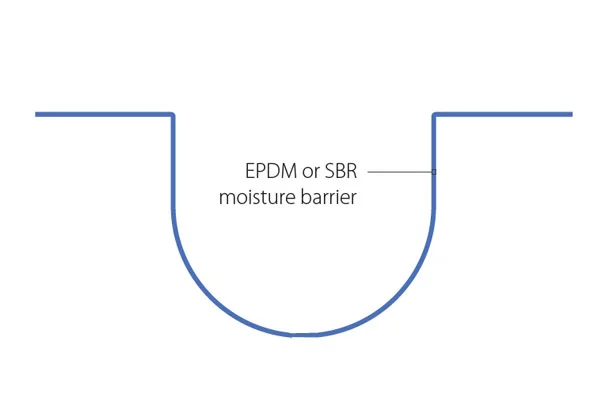
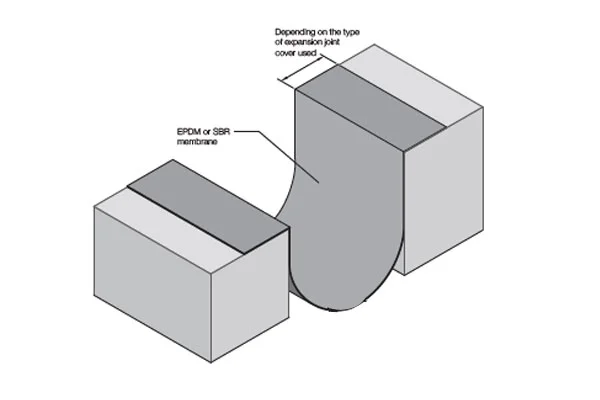
Next, let’s talk moisture barriers. These are materials designed to resist water penetration, typically made from plastic or foil sheeting. When installed correctly, they form a shield between your basement walls and any potential water sources outside.
Benefits of Proper Basement Ventilation
You may not realize it, but proper basement ventilation offers you a host of benefits.
Not only can it prevent mold growth, but it can also enhance the air quality in your home while reducing your energy costs.
Let’s explore how these advantages can contribute to your household’s comfort and savings.
Preventing Mold Growth
Throughout the year, a crucial aspect of keeping your basement dry is preventing mold growth, a task made easier with proper ventilation. In the battle against mold, ventilation is your ally. It helps with humidity control and mold prevention, two essential steps in maintaining a dry, comfortable basement.
Mold thrives in damp, poorly ventilated environments. When you manage humidity levels and ensure proper air flow, you’re creating conditions that are less favorable for mold growth. But it isn’t as simple as opening a window or running a fan now and then. You’ve got to be consistent.
Here are some tips to assist you in this task:
- Regularly check for leaks or water seepage. Fix any issues promptly to prevent moisture build-up.
- Invest in a dehumidifier. This appliance helps to control the level of humidity in your basement.
- Ensure that your basement is properly ventilated. An exhaust fan can be a great addition.
- Keep your basement clean. Mold feeds on dust and dirt, so regular cleaning can help in mold prevention.
Enhancing Air Quality
Not only does proper basement ventilation help to prevent mold growth, but it also dramatically enhances the air quality in your basement. By circulating fresh air and expelling stale, damp air, ventilation systems can reduce pollutants and allergens. This ensures your basement remains a healthy, breathable space.
A vital part of this process is air filtration. Filters trap and remove dust, pollen, and other particulates, reducing the chance of respiratory irritations. Coupled with effective humidity control, you’re well on your way to a fresher, drier basement. Humidity control prevents excess moisture, which can lead to dampness and mold growth.
Consider this comparison:
| Benefit | Without Ventilation | With Ventilation |
|---|---|---|
| Air Quality | Poor, allergen-filled air | Fresh, clean air |
| Humidity | High, promoting mold growth | Controlled, reducing dampness |
| Health Impact | Potential respiratory issues | Reduced risk of health problems |
| Comfort | Musty, damp environment | Comfortable, dry space |
Reducing Energy Costs
Regularly maintaining a dry, ventilated basement can significantly reduce your overall energy costs. When you keep your basement dry and well-ventilated, you’re creating an energy-efficient environment. This is because a damp, poorly ventilated basement can cause your HVAC system to work harder, increasing your energy consumption.
Here are some ways to make your basement more energy-efficient:
- Energy Efficient Appliances: By replacing old appliances with energy-efficient models, you’ll use less electricity.
- Insulation Upgrades: Proper insulation keeps conditioned air from escaping, reducing the load on your HVAC system.
- Smart Thermostats: These allow for precision climate control, reducing energy waste.
- Utility Bill Management: Regularly reviewing your utility bill can help identify any unusual energy consumption.
Additionally, consider investing in renewable energy sources such as solar panels. You can also optimize your HVAC system for better efficiency, and conduct energy audits to assess your home’s overall energy usage.
Proper ventilation and dryness in your basement aren’t just about preventing mold and maintaining structural integrity, they’re also about energy conservation and cost savings.
Dehumidifiers and Basement Dryness
To maintain a dry basement all year, a dehumidifier can be your best ally. It’s a device that reduces the humidity level in the air, which in turn minimizes the chance of mold and mildew developing. They’re imperative for good air quality and preserving your basement’s structural integrity.
There’s a wide variety of dehumidifier types to choose from. Refrigerant dehumidifiers are common and efficient, absorbing moisture at a steady rate. They work best in warmer basements.
Desiccant dehumidifiers, on the other hand, are ideal for cooler basements, as they don’t rely on temperature to absorb moisture effectively.
Whole house dehumidifiers are another option. These devices can manage moisture absorption for larger areas, perfect if you’ve got a sizable basement to maintain.
Portable dehumidifiers are also available, offering flexibility if you only need to address specific damp areas.
Ensure you’re considering the size, the area you need to cover, and the dehumidifier’s moisture absorption capabilities when choosing the right device.
With the appropriate dehumidifier, you can maintain a dry, healthy basement environment year-round. Always remember, prevention is your best defense against basement moisture issues.
Implementing Effective Basement Drainage Systems
Having a solid drainage system in place is crucial for maintaining a dry basement. There are several strategies that you can implement to ensure effective drainage, which include both interior and exterior waterproofing techniques.
For interior drainage, consider installing a sump pump and drainage tiles. The sump pump helps draw water away from your home, while drainage tiles, placed around the perimeter of your basement, divert water to your sump pump.
Another effective interior method is the use of waterproof membranes on your walls and floors, providing an extra layer of protection against moisture.
For exterior waterproofing, you can use grading techniques to direct water away from your foundation. Additionally, consider installing a French drain and improving your landscape drainage.
Regular gutter maintenance and downspout extensions also play a crucial role in preventing water from pooling around your home.
Here are some key points to remember:
- Sump pumps and drainage tiles are crucial for interior drainage.
- Waterproof membranes add an extra layer of protection inside your basement.
- Grading techniques, French drains, and improved landscape drainage can enhance exterior waterproofing.
- Don’t neglect gutter maintenance and downspout extensions to prevent water pooling.
Frequently Asked Questions
What Types of Mold Commonly Grow in Damp Basements?
You’ll often find black mold or Stachybotrys chartarum and Cladosporium in damp basements.
Mold identification is crucial as some types can be harmful. To prevent mold growth, ensure your basement is dry and well-ventilated.
Regularly check for leaks and address any moisture problems promptly. Using a dehumidifier can also help in mold prevention.
How Does Insulation Help in Maintaining Basement Dryness?
Insulation materials play a crucial role in keeping your basement dry. They act as moisture barriers, preventing dampness from seeping in.
When you insulate your basement, you’re essentially creating a shield against external moisture. This doesn’t just keep the space dry, it also reduces the likelihood of mold growth.
Are There Any Health Risks Associated With a Constantly Damp Basement?
Yes, there are health risks linked to a constantly damp basement.
When your basement’s damp, it’s a prime breeding ground for mold. Long-term mold exposure can lead to serious health problems, particularly respiratory issues.
You might start experiencing persistent coughing, wheezing, or difficulty breathing. Those with allergies or asthma may notice their symptoms worsening.
What Are Cost-Effective Solutions for Keeping the Basement Dry?
You’re looking for cost-effective ways to keep your basement dry, right?
Installing a proper drainage system is crucial. It’ll guide water away from your home, reducing dampness.
Additionally, consider investing in a dehumidifier. It’s not overly expensive and it’ll help control the moisture level.
Remember, prevention’s cheaper than repair. So, it’s worth spending a little now to save a lot later.
Keep that basement dry and save yourself from potential costly repairs.
How Often Should I Inspect My Basement for Signs of Moisture?
You should inspect your basement for signs of moisture at least once a month.
Keep a keen eye out for signs of basement humidity, such as condensation on walls or floors.
Use a moisture detection tool for accurate results.
If you’re noticing dampness regularly, it’s time to take preventative measures.
Conclusion
So, you’ve got the power to keep your basement dry year-round. Remember, it’s about understanding moisture sources, implementing solid drainage systems, and using the right insulation. Don’t forget the role of soil and climate, and always ensure proper ventilation. Use dehumidifiers for controlling humidity and preventing mold. And, of course, regular checks and prompt repairs are key. Follow these strategies and you’ll have a dry, healthy basement all year long.