
 Ever thought about how your home weathers the storm, especially when water damage threatens the foundation? It’s the piers beneath your home that play the hero in such scenarios. They transfer the load of your house to a stable soil or bedrock, providing much-needed support and stability. There are different types of piers, each with its unique benefits and purposes, but that’s a discussion for another time. It’s fascinating how such a seemingly small part of your home can carry such significant responsibility, isn’t it?
Key Takeaways
- Piers restore stability to homes with water-damaged foundations by transferring weight to a stable stratum beneath.
- Types of piers such as concrete, steel, and helical are chosen based on the specific needs of the damaged foundation.
- The implementation process of piers involves soil testing, drilling holes, and correct installation for maximum effectiveness.
- Piers provide long-term benefits like cost savings, enhanced structural stability, increased property value, and safety.
- Prompt addressing of water damage using piers can prevent further foundation deterioration and structural issues.
Understanding Water-Damaged Foundations
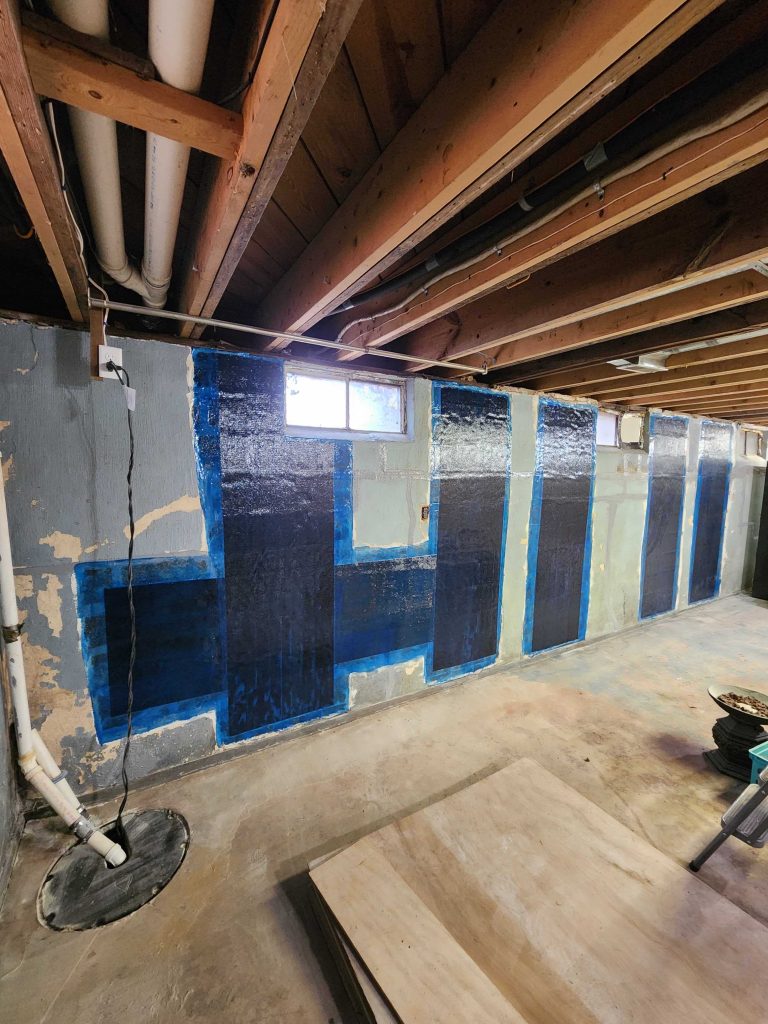
Due to persistent exposure to water, your home’s foundation may suffer significant damage. With time, moisture intrusion can lead to foundation deterioration, compromising the structural integrity of your home. Understanding this process is essential in order to mitigate damage and maintain a safe and secure living environment.
When water consistently seeps into your foundation, it’s not just a simple case of a leaky basement or a damp crawl space. It’s an insidious problem that can wreak havoc on your home’s structure. The water can permeate the concrete, causing it to weaken and crumble over time. This is referred to as foundation deterioration.
You’ll notice telltale signs such as cracks, bulges, and sinking areas around your home’s perimeter.
Moisture intrusion is another key culprit in this scenario. When water finds a way into your home through cracks or faults in the foundation, it doesn’t just stay there. It can lead to problems such as mold growth, wood rot, and even structural damage.
It’s important to address these issues promptly to prevent further damage.
Understanding the effects of water damage on your foundation is the first step in protecting your home. Remember, a solid foundation is key to a safe and sturdy home.
The Basics of Piers
Given the potentially disastrous effects of water-damaged foundations, it’s clear that proactive measures are necessary to maintain the structural integrity of your home. One of these measures includes the use of piers. Understanding the basics of piers is fundamental to this process.
Piers are supportive structures that transfer the load of your home to the underlying soil or bedrock. There are several pier types each with their own advantages. Push piers, for example, are driven into the ground and used to lift the foundation back into its original position. Helical piers, on the other hand, are screwed into the ground and are ideal for lighter structures.
Installation techniques vary based on the type of pier and the condition of your foundation. Professionals must assess the damage, the soil conditions, and other factors before deciding on the best approach.
The process could involve digging around the foundation, driving or screwing the piers into the ground, and attaching them to your foundation.
In essence, piers are vital for supporting and stabilizing your home, especially in the face of water damage. Knowledge of pier types and installation techniques will prepare you for this potential solution.
How Piers Support Damaged Foundations
When your home’s foundation suffers water damage, piers can become your saving grace. They’re not just for looks or an architectural feature. Piers play a crucial role in the restoration and resilience of your home’s stability, especially when under threat from water damage.
Pier types vary, but they all function to provide support to a compromised foundation. The most common types include concrete, steel, and helical piers.
Concrete piers are sturdy and durable, but they’re not always suitable for every situation. Steel piers, on the other hand, are incredibly robust. They can withstand significant weight and pressure, making them ideal for supporting heavy structures. Helical piers, with their unique spiral design, are often used for lighter structures, providing reliable support without the need for excessive depth.
The primary role of piers is to transfer the weight of your home from the unstable soil beneath it to a more stable stratum. They do this by penetrating deeper into the ground, bypassing the affected areas of the soil, and reaching a solid layer that can support the weight of your property.
This guarantees foundation stability, helping your home stand firm despite the damage.
Implementation Process of Piers
Understanding how piers provide support to a damaged foundation is just half the battle. It’s equally important to know the procedure involved in their installation. So, let’s explore the implementation process of piers.
The first step in pier installation is conducting soil testing. You can’t just install piers anywhere; you’ve got to guarantee the ground can bear the load. Soil testing helps determine the type and depth of piers needed for maximum stability.
Next comes the actual installation of piers. This involves drilling holes into the ground, placing the piers, and then filling the holes to stabilize them. Remember, each pier needs to be installed correctly to guarantee its effectiveness.
Here’s a quick rundown of the process:
- Conduct soil testing to determine the best type and depth of piers.
- Drill holes at the determined points.
- Install the piers and fill the holes for maximum stability.
This might seem overwhelming at first, but it’s all part of guaranteeing your foundation has the support it needs. With the right knowledge and tools, you’ll have your piers installed in no time.
Long-Term Benefits of Using Piers
Investing in piers for a damaged foundation isn’t just a short-term fix; the benefits can span decades. You’ll be investing not only in the present stability of your home but also its future. And the cost savings you’ll reap over the long-term can be significant.
Consider the cost of repairing repeated damage caused by an unstable foundation. Over time, these costs can accumulate, causing a substantial financial drain. But when you invest in piers, you’re fortifying your foundation, reducing the risk of future damage and incurring cost savings as a result.
Piers also play a critical role in ensuring structural stability. They act like a brace, providing much-needed support to your foundation. This enhances the overall longevity of your home, safeguarding your investment.
Consider the table below, which details the long-term benefits of using piers for your water-damaged foundations:
| Benefit | Description | Impact |
|---|---|---|
| Cost Savings | Reduction in future repair costs | Financial stability |
| Structural Stability | Enhanced support to foundation | Longevity of home |
| Resale Value | Increase in property value | Financial gain |
| Safety | Decrease in risks of structural failure | Peace of mind |
| Maintenance | Less costly and frequent maintenance | Time and money savings |
In short, piers provide a long-term, cost-effective solution to foundation problems.
Frequently Asked Questions
What Are the Costs Associated With Repairing a Water-Damaged Foundation Using Piers?
When estimating costs for repairing a water-damaged foundation, you’ll consider several factors.
You’ll account for the severity of damage, labor rates, and the number of piers needed.
Cost of materials is also a factor, as piers aren’t cheap.
However, don’t forget unforeseen costs such as soil testing.
So, it’s not a simple calculation.
You’ll need detailed estimation techniques to get an accurate figure.
Consult a professional for a tailored quote.
Are There Alternative Methods to Repair Water-Damaged Foundations Besides Using Piers?
Yes, you’ve got other options besides using piers for repairing water-damaged foundations.
You could consider various foundation restoration techniques like mudjacking, where a mixture is pumped under the foundation to lift it.
There’s also soil stabilization methods, where certain substances are injected into the ground to strengthen it.
It’s important to consult a professional to decide which method is best for your specific situation.
How Long Does the Process of Repairing a Foundation With Piers Typically Take?
You’re probably wondering about the repair timeline for a foundation using piers.
It’s not a quick fix; it can take several weeks. This includes the time to evaluate the foundation’s stability, install the piers, and allow them to settle.
However, weather, soil conditions, and the extent of the damage can affect the timeframe.
It’s essential to be patient to guarantee the job’s done right and your foundation is secure.
Are There Specific Environmental Conditions That Affect the Performance of Piers in Foundation Repair?
Yes, environmental conditions greatly impact the performance of piers in foundation repair.
You’ll find soil composition and moisture levels particularly influential. If the soil’s too loose or wet, it may not provide enough support for the piers, affecting their stability.
Conversely, if it’s too dry or compact, it can make pier installation difficult.
Consequently, it’s essential to assess these factors beforehand to guarantee the piers can effectively stabilize your foundation.
Can I Install Piers for Foundation Repair by Myself or Do I Need Professional Help?
While you might be tempted to tackle pier installation for foundation repair as a DIY project, it’s not recommended.
This task requires expertise in geotechnical engineering and construction. Safety precautions must be strictly followed to prevent accidents.
So, it’s best to leave it to the professionals who’ve the right skills and equipment.
Conclusion
So, you’ve learned how piers can be a game-changer for water-damaged foundations. They transfer the load to stable soil, preventing further damage and increasing your home’s structural integrity. The process of implementation may seem intimidating, but it’s totally worth it. With piers, you not only guarantee safety but also prolong your home’s lifespan. It’s an investment in the longevity of your property and the peace of mind that comes with it.