
In your home, a damp basement is more than just an inconvenience; it’s a silent destroyer of health, home integrity, and financial stability. You might not realize the severity of the situation, or perhaps you’re simply not sure who to turn to for help. However, did you know that professional contractors are equipped to handle these issues? They can diagnose the root cause, repair the damage, and even prevent future problems. But how exactly do they do this and what could really be lurking in that damp, dark corner? Let’s find out.
Key Takeaways
- Damp basements can lead to structural damage, health risks such as allergies and respiratory issues, and reduced property value.
- Professionals identify dampness and potential structural damage through signs like discolored walls, musty smells, and warped flooring.
- Contractors can effectively manage mold infestation through inspection, containment, removal, and customized remediation plans.
- Hiring experienced contractors provides expertise in waterproofing, proper equipment handling, regulatory compliance, and reliable cost estimates.
- Preventative measures like regular inspections, water diversion, dehumidifier installation, proper insulation, and good ventilation can be implemented by contractors.
Understanding Basement Dampness
In the domain of home maintenance, understanding basement dampness is essential. It’s not just a minor inconvenience or a cosmetic issue; it presents actual dangers that you shouldn’t ignore. Dampness can originate from several causes, such as inadequate waterproofing, defective drainage systems, and poor soil conditions around your home, leading to water seeping into your basement.
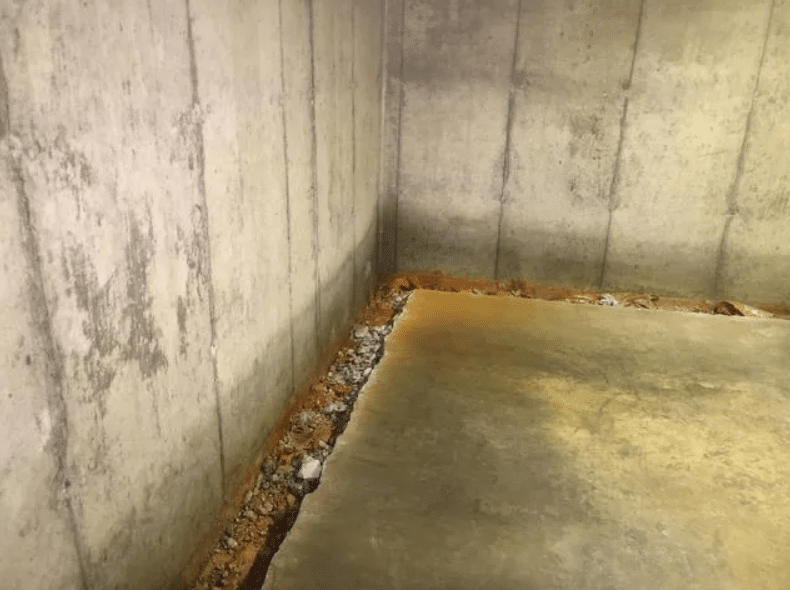
The most common sign of dampness is the presence of moisture or wet spots on walls, floors, and corners. You might also notice a musty smell, peeling paint, or mold growth. These symptoms shouldn’t be taken lightly as they indicate a serious damp problem which requires immediate attention.
Ignoring these signs can lead to structural issues in your home. Dampness weakens building materials, causing wooden elements to rot and metal components to rust. This can compromise the structural integrity of your home, leading to costly repairs in the future.
Additionally, dampness can also damage personal belongings stored in your basement and decrease the overall value of your property.
Health Risks of Damp Basements
Beyond the structural damage, there’s another menace lurking in your damp basement: health risks.
It’s vital to understand that a basement’s dampness can create an environment conducive for the growth of mold and mildew. These microorganisms are notorious for causing allergies, triggering asthma attacks, and even leading to serious respiratory conditions.
Mold spores, once airborne, are easily inhaled and can cause symptoms ranging from sneezing, coughing, and skin rashes to more serious problems like persistent headaches, dizziness, and fatigue. If you’re continually exposed, your immune system can be compromised, putting you at risk for more severe health issues.
Moreover, damp conditions can attract pests like cockroaches, rodents, and dust mites, which carry diseases and exacerbate allergy symptoms.
Additionally, dampness can lead to the release of volatile organic compounds (VOCs) from certain materials used in home construction. These VOCs have been linked to a variety of health concerns, including respiratory and neurological problems.
It’s clear that a damp basement isn’t just a structural issue; it’s a potential health hazard.
That’s why it’s important to seek professional help to address these issues promptly and effectively.
Structural Damage From Moisture
Let’s now turn our attention to the potential structural damage caused by moisture in your basement.
Identifying signs of moisture damage such as discolored walls, warped flooring, or a musty smell is the first step to safeguarding your home.
Once recognized, it’s crucial to counter these structural weaknesses promptly, preserving the integrity of your home and preventing costly repairs down the line.
Identifying Moisture Damage
Countless homes suffer from the silent menace of moisture damage, a common issue that often originates from damp basements. This often-overlooked problem can cause significant structural damage if left unattended, so it’s essential you know how to spot the signs.
Begin by inspecting your basement’s walls and floors. Look for patches of discoloration, a telltale sign of moisture intrusion. Persistent dampness can cause paint to peel or blister, and wallpaper to loosen. You might also notice a musty smell, another clear indicator of moisture issues.
Check for signs of mold or mildew, which thrive in damp environments. These can appear as dark spots on walls, floors, or ceilings. Be particularly vigilant if you’ve had flooding or leaks in the past, as these conditions often lead to hidden mold growth.
Don’t ignore warped or buckling floors, walls, or ceilings. These can signal severe water damage. Similarly, rotting wood around windows, doors, or in the framing of your house suggests prolonged exposure to moisture.
Identifying moisture damage early can save you from costly repairs down the line. So, stay vigilant, and when in doubt, don’t hesitate to call in a professional. It’s better to be safe than sorry.
Countering Structural Weaknesses
How can you counteract the structural weaknesses caused by moisture damage? The first step is to identify and address the source of the dampness. This could be a leaky pipe, poor ventilation, or even a crack in the foundation. You’ll need to fix these issues before tackling the structural damage.
Next, assess the extent of the damage. This will help you decide whether to handle the repairs yourself or hire a professional. Major structural issues, such as a sagging floor or bulging walls, definitely require professional help.
Consider the following table summarizing key steps to counter moisture-induced structural weaknesses:
| Steps | DIY | Professional Help |
|---|---|---|
| Identify the Source of Dampness | Yes | Yes |
| Fix the Source of Dampness | Yes, if minor | Yes |
| Assess the Damage | Yes | Yes |
| Repair Minor Damage | Yes | Yes |
| Repair Major Damage | No | Yes |
Mold Invasion: A Hidden Peril
Now, let’s turn our attention to the hidden peril of mold invasion in your damp basement.
First, you’ll need to understand how to identify a mold infestation, as it often lurks unnoticed until substantial damage has occurred.
Then, we’ll discuss the serious health risks associated with mold exposure, and finally, we’ll explore effective methods of mold remediation to safeguard both your home and your health.
Identifying Mold Infestation
In the depths of your basement, a hidden peril lurks – mold infestation. This unwelcome guest thrives in moist, low-light conditions, making your damp basement an ideal breeding ground.
Recognizing mold isn’t always straightforward. It’s not always that telltale black or green patch on your wall. It can come in a variety of colors and textures. It could be black, white, orange, green, or purple and may appear fuzzy, slimy, or even powdery. A musty, unpleasant odor is often the first sign of an infestation.
However, visual inspection isn’t always enough. Mold can hide behind walls, under carpets, or in air ducts. You might notice persistent allergic reactions, such as sneezing, runny nose, red eyes, and skin rash, even when it’s not allergy season. These symptoms could indicate a hidden mold problem.
It’s imperative to act promptly. If you suspect an infestation, call a professional immediately. Contractors have the right tools and expertise to confirm a mold problem and determine its extent.
They’ll also advise you on the best steps to eliminate it, ensuring your basement is safe and healthy once more.
Health Risks Involved
Exposure to mold in your basement isn’t merely an aesthetic issue – it’s a silent threat to your health. Breathing in mold spores can lead to a variety of health problems, especially if you’re allergic or asthmatic. Allergic reactions to mold are common and can be immediate or delayed. They often result in symptoms like sneezing, redness and itching of the eyes, and skin rash.
Chronic exposure can lead to more serious conditions like mold-induced asthma, where your airways become inflamed and constrict, making it hard to breathe. Some molds, like the infamous black mold, produce mycotoxins, which can cause neurological problems and even death in extreme cases.
Moreover, even if you’re not particularly allergic, mold can irritate your eyes, skin, nose, throat, and lungs. This can lead to coughing, wheezing, and other respiratory issues.
The elderly, children, and those with compromised immune systems are particularly vulnerable.
Effective Mold Remediation
Often, homeowners overlook the hidden peril of mold invasion in their basements. Mold spores thrive in damp, dark places, making your basement a prime target. This silent intruder not only affects the structural integrity of your home but also poses serious health risks.
To combat this, you’ll need effective mold remediation strategies. This isn’t a DIY job; professional contractors are equipped with the right tools and expertise for the task. They’ll assess the situation, identify the mold species, and deliver a customized solution to eliminate it.
Here’s a glimpse of what the remediation process involves:
| Stage | Description | Duration |
|---|---|---|
| Inspection | Detailed mold assessment of your basement to identify type and extent of mold | 1-2 days |
| Containment | Isolating the affected area to prevent further spread of mold | Few hours |
| Removal & Cleanup | Using specialized equipment and solutions to remove mold and clean the area | Varies based on extent |
Financial Implications of Neglect
Neglecting a damp basement can lead to a myriad of financial nightmares. The hidden costs of letting moisture persist in your basement are enormous and can devalue your property considerably.
It’s not just about the immediate repair costs; you’re also looking at potential long-term damage to your home’s structure and your personal belongings.
Here are some financial implications you might face if you ignore a damp basement:
- Structural Damage: Over time, moisture can cause wood to rot and metal to rust, compromising the integrity of your home’s foundation. This could lead to costly structural repairs.
- Decreased Property Value: If you’re looking to sell your home, a damp basement is a red flag for potential buyers. This can greatly decrease your home’s market value.
- Health Costs: Chronic dampness promotes the growth of mold, which can lead to a variety of health issues. Medical bills associated with these health problems can pile up quickly.
Even with insurance, these costs can be substantial. It’s essential that you address any signs of a damp basement promptly to avoid these potential financial pitfalls.
Professional Contractors to the Rescue
Given the potential financial implications of a damp basement, it’s clear that action must be taken sooner rather than later.
Professional contractors can be the knights in shining armor in this scenario. They’re equipped with the necessary expertise and tools to tackle your damp basement problems.
You might be tempted to attempt a DIY solution, but be warned. The complexity of these issues often requires a professional eye.
Contractors understand the nuances of basement waterproofing, like identifying potential problem areas and implementing preventive measures. They’re trained to handle the various equipment needed for this job – from moisture meters to sump pumps.
Moreover, professional contractors are knowledgeable about local codes and regulations. They’ll guarantee your basement meets these standards, avoiding potential fines or complications down the line.
A professional contractor can provide an extensive plan to address your damp basement, from assessment to clean-up and prevention.
They’ll also be able to deliver a reliable cost estimate, helping you budget accordingly.
In a nutshell, hiring a professional contractor not only saves you from the immediate risks of a damp basement but also protects your property in the long run.
They’re your first line of defense against the hidden dangers lurking beneath your home.
Choosing the Right Contractor
When it comes to choosing the right contractor for your basement waterproofing needs, there’s more to reflect on than just cost. You need to ascertain that the professional you pick is reliable, knowledgeable, and thorough.
So, how do you select the perfect person for the job? Here are a few key factors to ponder:
- Experience: Check the contractor’s track record. Have they handled similar projects before? You’re better off with someone who’s already navigated the challenges of damp basements.
- Certification: Verify they’re certified by a reputable industry body. This guarantees they adhere to set standards and best practices.
- Reviews: Look for reviews and testimonials from past clients. This gives you a peek into the contractor’s work ethic and professionalism.
Remember, it’s essential to communicate your specific concerns and expectations clearly. Ask all the questions you have and make sure they’re answered to your satisfaction.
Choosing the right contractor is a significant step towards a dry, safe basement. Take your time, do your research, and you’re sure to find a professional who’ll deliver excellent results.
Preventative Measures for Dry Basements
In order to maintain a dry basement, it’s important to take pro-active steps to prevent dampness. You can start by regularly inspecting your basement for any signs of moisture, like damp spots or mold. If you spot these early, it’s easier to address the issue before it escalates into a bigger problem.
Another preventative measure is to guarantee your home’s exterior is effectively diverting water away from your foundation. This includes having properly functioning gutters and downspouts, and making sure the landscaping around your home promotes effective drainage.
Additionally, consider investing in a good quality dehumidifier to reduce the humidity levels in your basement. A humid environment promotes the growth of mold and other fungi, which can lead to dampness.
You should also insulate your basement properly. This helps to prevent condensation, which can lead to dampness. Using waterproof materials for walls and floors can also help keep your basement dry.
Lastly, keep your basement well-ventilated. This promotes air circulation, which can help keep humidity levels in check.
Frequently Asked Questions
What Are Some Common Signs of Hidden Dampness in My Basement?
You might notice a musty smell, peeling paint, or discoloration on walls. If you’re spotting mold or mildew, or your basement feels unusually cold, these are signs you’re dealing with hidden dampness.
Does Home Insurance Typically Cover Dampness-Related Basement Damage?
Typically, your home insurance won’t cover dampness-related basement damage. It’s seen as a maintenance issue, not an unexpected event. However, always check your policy or consult with your insurance representative for specifics.
How Often Should I Have My Basement Inspected for Dampness?
You should have your basement inspected for dampness annually. If you’ve had issues before, it’s better to check it seasonally. Regular inspections can help you catch and address any moisture problems early on.
Can a Damp Basement Affect the Overall Value of My House?
Absolutely, a damp basement can lower your house’s overall value. Potential buyers often view it as a sign of neglect, leading to potential structural problems. It’s essential to address dampness before putting your home on the market.
What Are Some Eco-Friendly Solutions for Preventing Basement Dampness?
You can prevent basement dampness eco-friendly ways. Install a rainwater harvesting system to reduce groundwater. Use insulating paints, natural dehumidifiers like plants, or solar-powered fans. It’s smart, sustainable, and protects your home’s value.
Don’t underestimate the risks of a damp basement. It’s not just about structural damage; your health and finances are at stake too. Engaging professional contractors isn’t an expense, it’s an investment. They assess, remediate, and prevent, shielding you from costly repairs and health hazards. So, choose wisely, invest in prevention, and enjoy a dry, safe basement. Remember, it’s your home, your health, your wealth. Don’t compromise, take action.






