In many homes, basement waterproofing is critical yet often overlooked or improperly executed. Homeowners may face issues like seepage, mold growth, structural damage, and costly repairs despite significant investments. This guide summarizes common waterproofing mistakes, DIY pitfalls, and effective techniques. By understanding these errors and applying proper corrective measures, homeowners can protect their investment, improve indoor air quality, and maintain a safe, dry space.
What Are the Most Common Waterproofing Mistakes Homeowners Make?
Homeowners frequently overlook early warning signs such as damp spots, peeling paint, and efflorescence, which can signal underlying foundation issues. Ignoring these indicators may lead to later extensive damage that requires costly repairs.
Why Is Ignoring Early Warning Signs Dangerous for Basement Waterproofing?
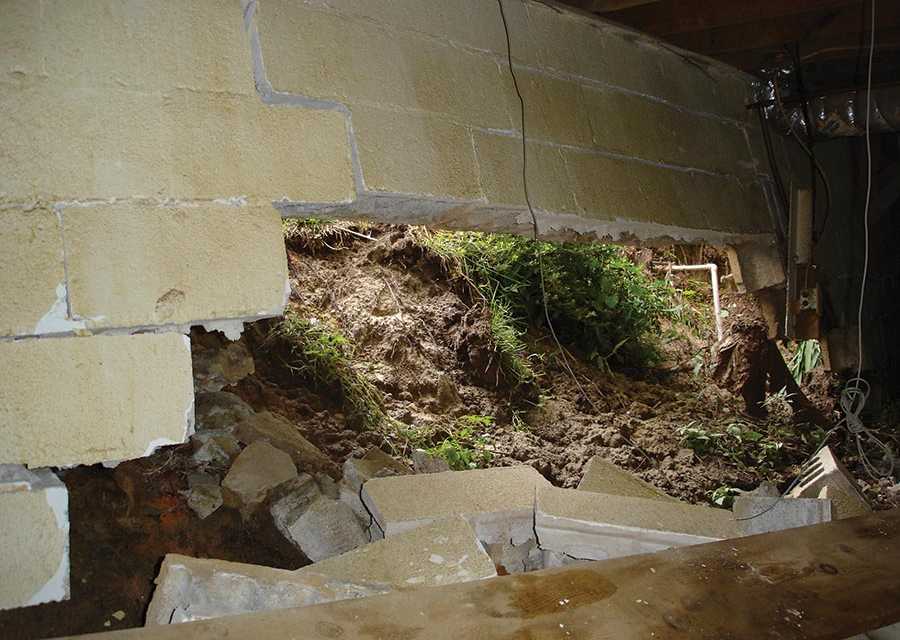
Missing minor water stains, damp odors, or small wall cracks allows moisture to seep in and escalate into mold growth and structural damage. Early detection through regular inspections is key to avoiding severe water damage and maintaining basement stability.
How Does Improper Drainage Cause Basement Water Problems?
Clogged gutters, misdirected downspouts, and poor exterior grading can cause water to pool around the foundation. This increased hydrostatic pressure forces moisture through cracks in concrete and exacerbates water infiltration, leading to further structural damage and mold issues.
What Are the Risks of Using the Wrong Waterproofing Materials?
Using unsuitable products—such as interior sealants on exterior walls or low-quality membranes—can result in peeling, cracking, and eventual failure of the waterproofing system. Choosing high-quality materials designed for the local climate and specific basement conditions is essential to prevent repeated repairs.
Which Exterior Issues Do Homeowners Often Overlook?
Many overlook problems with gutters, downspouts, landscaping, and foundation perimeter issues such as cracks and uneven grading. These exterior vulnerabilities can lead to water pooling near the home and eventual water intrusion into the basement.
What DIY Errors Commonly Lead to Waterproofing Failures?
DIY waterproofing often fails due to poor surface preparation, incorrect application of sealants, and neglecting essential drainage integration. Inadequate cleaning and repair prior to application compromise adhesion and effectiveness, leaving the basement vulnerable to leaks and mold.
What DIY Basement Waterproofing Errors Should You Avoid?
Common DIY errors include skipping thorough cleaning and repair of the basement surface, misapplying coatings, and neglecting proper integration of drainage systems. Each misstep can reduce the durability and overall effectiveness of the waterproofing solution.
How Does Improper Surface Preparation Affect Waterproofing Success?
Without thoroughly cleaning walls and floors and repairing existing damage, waterproofing materials cannot adhere properly. Debris and residual coatings lead to early failure of the waterproofing barrier, allowing water and moisture to infiltrate the basement.
Why Is Correct Application of Waterproofing Coatings Crucial?
Following manufacturer guidelines for coating thickness, number of layers, and drying times is essential. Inconsistent or thin layers leave gaps that water can easily penetrate, compromising the integrity of the basement walls.
What Happens When Basement Cracks Are Not Properly Repaired?
Unfilled cracks provide direct channels for water intrusion, leading to damp floors, mold growth, and structural deterioration. Proper crack repair using specialized sealants is vital to prevent moisture from entering the foundation.
How Does Ignoring Ventilation Increase Moisture Problems?
Inadequate ventilation traps humid air and prevents moisture from evaporating. This creates an environment favorable to mold and mildew. Ensuring proper airflow using vents or dehumidifiers is crucial to maintaining lower humidity levels.
Why Is Testing Your Waterproofing System Essential Before Completion?
Testing the waterproofing system—through simulated rainfall or water exposure—helps identify defects before finalizing the project. These tests allow homeowners to correct any issues early, ensuring the system performs reliably under actual conditions.
How Can Homeowners Control Basement Moisture Effectively?
Effective moisture control combines proper waterproofing, drainage, ventilation, and dehumidification. Homeowners must identify the main moisture sources, whether from groundwater seepage, condensation, or cracks, and then implement targeted solutions to manage humidity and prevent mold.
How Do You Identify the Main Sources of Basement Moisture?
A careful inspection using moisture meters or thermal imaging helps locate water pooling and damp areas. Visible signs like water stains and efflorescence indicate where moisture is entering, guiding homeowners to the correct interventions for lasting dryness.
What Role Do Dehumidifiers Play in Basement Moisture Control?
Dehumidifiers remove excess humidity, preventing condensation and mold growth. A properly sized dehumidifier, used together with effective ventilation, maintains optimal indoor moisture levels and supports overall basement health.
How Can Improving Ventilation Reduce Basement Dampness?
Enhanced ventilation promotes air circulation and speeds up moisture evaporation. Installing mechanical vents or opening windows during dry weather helps expel humid air and draw in drier air, reducing the risk of mold and condensation build-up.
Why Is Monitoring Humidity Levels Important for Basement Health?
Regular humidity monitoring with hygrometers allows homeowners to detect fluctuations early and adjust ventilation or dehumidification accordingly. Keeping records of humidity readings can also help guide long-term moisture management strategies.
How Often Should You Conduct Basement Waterproofing Inspections?
It is advisable to inspect the basement at least once a year and after heavy rains. Regular checks for water stains, mold, or efflorescence ensure early detection of issues, enabling timely repairs and prolonging the lifespan of the waterproofing system.
What Are the Clear Signs of Poor Basement Waterproofing to Watch For?
Warning signs of poor waterproofing include musty odors, visible mold, water stains, efflorescence, and peeling paint. Recognizing these indicators early allows homeowners to take corrective action before significant damage occurs.
How Do Musty Odors Signal Basement Moisture Issues?
Persistent musty smells indicate microbial activity from excess moisture. These odors serve as an early warning that ventilation or waterproofing measures may be insufficient, prompting further investigation.
What Does Visible Mold Growth Indicate About Waterproofing?
Mold growth on walls or ceilings clearly signals that moisture control has failed. Mold not only damages surfaces but also poses health risks, necessitating immediate remediation and a review of waterproofing methods.
How Can Water Stains Reveal Basement Waterproofing Failures?
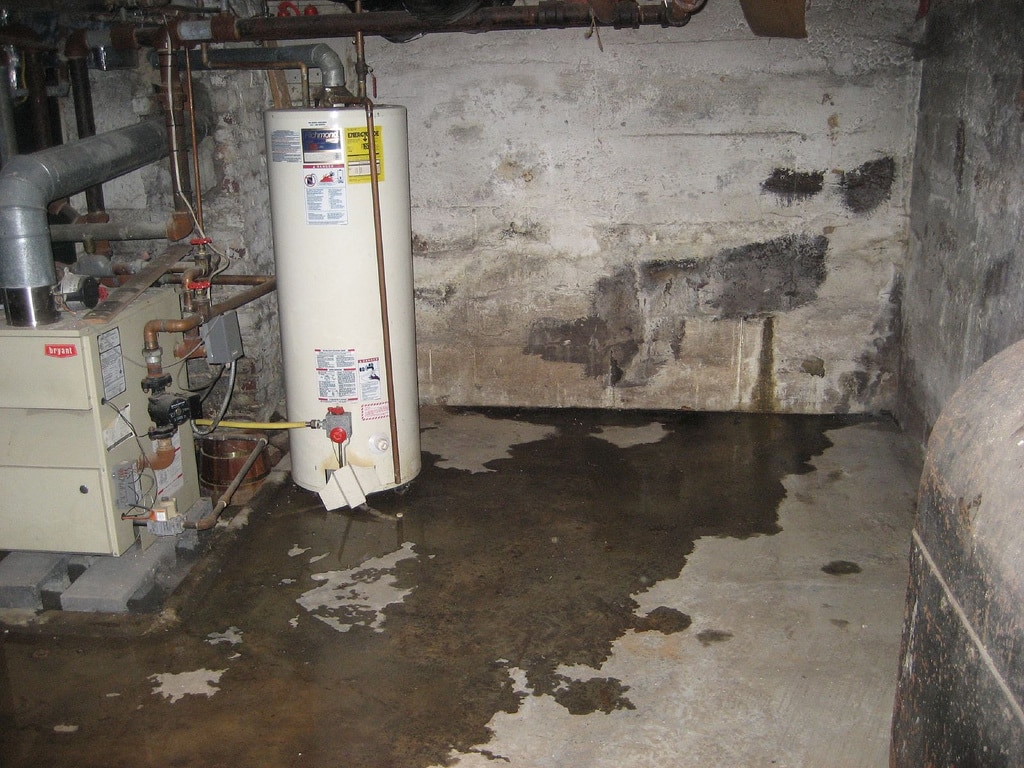
Water stains indicate that water has penetrated the wall surface, leaving mineral deposits as it evaporates. Such stains point to prolonged moisture exposure and suggest that the waterproofing barrier is not functioning correctly.
What Is Efflorescence and Why Does It Appear on Basement Walls?
Efflorescence, seen as white crystalline deposits, occurs when moisture migrates through the wall and evaporates, leaving behind salts. Its presence is a sign of excessive moisture and often correlates with waterproofing defects.
Why Does Peeling Paint Suggest Basement Waterproofing Problems?
Peeling paint occurs when moisture undermines the adhesion of paint, typically due to water seeping through the wall. This visible deterioration is a clear sign that the waterproofing system may be compromised.
What Are the Most Effective Basement Waterproofing Techniques?
A multi-layered approach combining interior and exterior waterproofing techniques is most effective. Interior methods include applying high-quality sealants and membranes directly to walls and floors, while exterior strategies focus on drainage systems and waterproof coatings to prevent water from reaching the foundation.
How Does Interior Waterproofing Protect Your Basement?
Interior waterproofing creates a protective barrier directly on the walls and floors using sealants and membranes. This barrier blocks water intrusion and reduces humidity levels, helping to prevent mold growth and preserve the finished surfaces.
Why Is Exterior Waterproofing Critical for Long-Term Basement Protection?
Exterior waterproofing treats the problem at its source by protecting the foundation. Techniques such as installing French drains, sump pumps, and waterproof membranes help redirect water away from the home and relieve hydrostatic pressure on basement walls.
When Should You Consider Sump Pump Installation?
Sump pump installation is recommended in areas with heavy rainfall or high groundwater levels. A sump pump actively removes accumulated water to prevent flooding, especially when natural drainage is insufficient. Regular maintenance of the sump pump is essential to ensure its proper operation.
How Is Crack Repair Performed to Prevent Water Intrusion?
Proper crack repair involves cleaning out the crack, then sealing it with high-quality epoxy or polyurethane injections. This process stops water from entering through even small openings and reinforces the structural integrity of the wall.
What Are the Benefits of Installing a Proper Drainage System?
A well-designed drainage system diverts water away from the foundation using gutters, downspouts, French drains, and proper grading. This significantly reduces the hydrostatic pressure on basement walls and limits water infiltration, helping to maintain a dry and stable basement environment.
How Can Homeowners Choose Between DIY and Professional Waterproofing?
Choosing between DIY and professional waterproofing depends on the severity of the issues, personal skill level, and budget. DIY methods may be cost-effective for minor problems but often lack the expertise and materials that professionals provide. For complex or persistent issues, certified contractors offer comprehensive assessments and warranties that guarantee long-term performance.
What Are the Pros and Cons of DIY Basement Waterproofing?
DIY waterproofing can save money and offers flexibility in scheduling. However, risks include poor surface preparation, incorrect application, and lack of proper testing—factors that may lead to early failure. Without the necessary experience and tools, the risk of future costly repairs increases.
When Is It Necessary to Hire Certified Waterproofing Specialists?
When a basement shows signs of severe water damage, complex foundation issues, or recurring moisture problems despite previous efforts, it is best to hire certified specialists. Their expertise, use of specialized equipment, and provision of warranties ensure a more reliable and lasting solution.
How Do Professional Services Guarantee Basement Waterproofing Results?
Professional waterproofing services use proven techniques, high-quality materials, and thorough assessments to create tailored solutions. Their systematic approach, combined with warranties and periodic inspections, provides peace of mind and long-term protection against water intrusion.
What Questions Should You Ask Before Hiring a Waterproofing Contractor?
Before hiring a contractor, ask about their licensing, the quality of materials they use, warranty details, previous project references, and their protocol for handling unexpected issues. Clear, written estimates and a detailed scope of work are essential to ensure reliable, professional performance.
How Much Does Basement Waterproofing Cost and What Factors Affect Pricing?
Cost varies greatly based on factors like basement size, water damage extent, material quality, and whether the job is DIY or professionally managed. A well-executed project can range from a few hundred to several thousand dollars, depending on the required measures.
What Are Typical Price Ranges for Common Waterproofing Services?
Generally, basement waterproofing costs between $3,000 and $10,000. Simple interior solutions with coatings are typically less expensive, while comprehensive exterior waterproofing involving drainage systems and crack repairs usually cost more.
How Do Material Choices Impact Waterproofing Expenses?
High-quality materials, such as premium membranes and advanced sealants, may have higher upfront costs but offer greater durability and long-term performance. In contrast, cheaper alternatives might require frequent repairs, increasing overall expenses over time.
Why Does Basement Size and Condition Influence Cost?
Larger basements and those with pre-existing damage require more materials and labor. Older or compromised foundations often need extensive repairs before waterproofing can be successfully applied, leading to higher costs.
How Can Homeowners Budget for Waterproofing and Repairs?
Effective budgeting requires a thorough evaluation of the basement’s condition, detailed quotes from multiple professionals, and a contingency fund for unexpected repairs. Researching reputable waterproofing companies and comparing warranties and services is crucial for making an informed decision.
Table: Factors Influencing Basement Waterproofing Costs
| Factor | Impact on Price | Description | Example |
|---|---|---|---|
| Basement Size | High | Larger areas require more materials and labor | 1500 sq ft vs. 800 sq ft |
| Condition of Foundation | High | Older foundations or those with significant cracks | Extensive crack repair needed |
| Material Quality | Medium to High | Premium products increase upfront costs but last longer | High-end membranes vs. basic sealants |
| Drainage System | Medium | French drains and sump pump installations add cost | Sump pump system add-on |
| Labor and Professional Fees | Variable | Costs vary regionally and by contractor expertise | Contractor rates differ |
Frequently Asked Questions
Q: What are some common causes of basement moisture issues? A: Incorrect drainage, poor ventilation, foundation cracks, and inadequate exterior grading let water seep in, causing damp conditions and potential mold growth.
Q: How often should I inspect my basement for waterproofing problems? A: At a minimum, inspect your basement annually and after heavy rains. Look for signs such as musty odors, water stains, or peeling paint.
Q: Is DIY basement waterproofing sufficient for long-term protection? A: DIY methods may work for minor issues, but severe problems require professional assessment and materials for lasting protection.
Q: What is the role of a sump pump in controlling basement moisture? A: A sump pump removes excess water from the basement, preventing flooding and reducing humidity by directing water away from the foundation.
Q: How do I know if my waterproofing materials are failing? A: Look for visible cracks, water stains, efflorescence, peeling paint, or persistent musty odors. These signs indicate that the materials are compromised and may need repair or replacement.
Q: Can improving basement ventilation really reduce moisture build-up? A: Yes. Proper ventilation promotes air circulation and evaporation, reducing humidity and minimizing mold growth when combined with dehumidifiers.
Q: What should I look for when hiring a waterproofing contractor? A: Check for proper licensing, positive customer reviews, clear written estimates, detailed scope of work, and warranties. Ask about their material quality and process for unexpected issues.
Final Thoughts
The article highlights common waterproofing mistakes and offers solutions to protect your basement from water damage. Key points include noticing early warning signs, ensuring proper surface preparation, using high-quality materials, and combining effective drainage with ventilation systems. Whether you choose DIY methods or professional services, proactive maintenance and periodic inspections are vital for a durable, dry basement and a healthy home foundation.