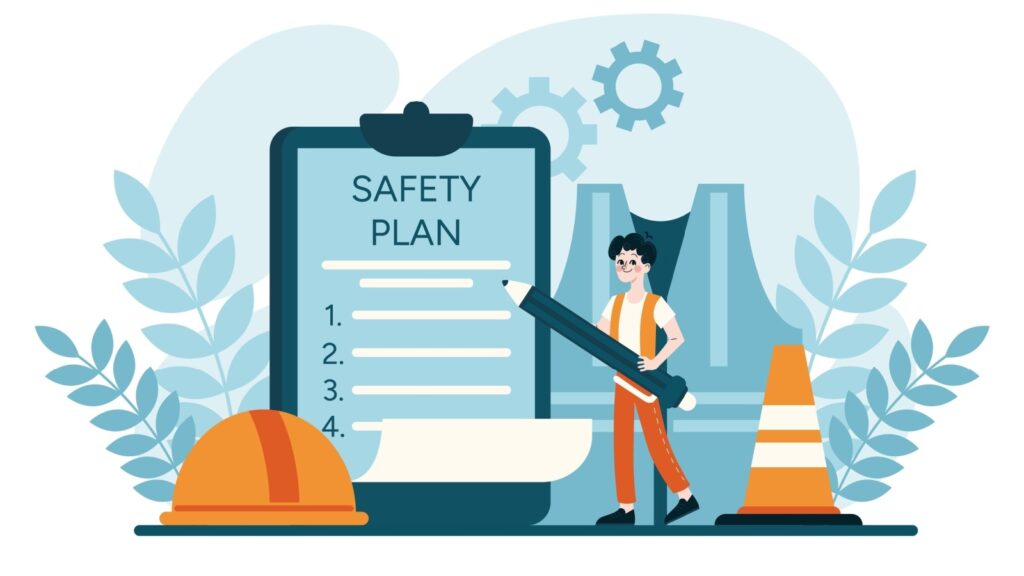

As unique and nuanced as each construction project, so are the safety needs of each company handling the project. To learn how to tailor a safety program to your company’s needs, Construction Executive sat down with Tony Foster, senior EHS director at Skanska. From how-tos on getting started, creating buy-in and keeping up to date on OSHA standards, to taking advantage of the latest safety technology, here is his insider knowledge:
What type of safety program is best for which kinds of businesses? (i.e. small vs. large firm; regional vs. national; architect and design vs. manufacturer; general contractor vs. subcontractor; etc.)
The approach to safety shouldn’t change by project, no matter how big or small. The most important task is the project, but also making the people who are working on the project feel like they are a part of the program and can ask questions about any concerns that they have. There needs to be visibility of leaders on the project, and an open line of communication when it comes to safety on the worksite.
Safety programs should be scalable and comprehensive, with centralized standards that can be adapted to fit different teams, trades and project types—whether you’re a small subcontractor or a national general contractor.
What are some of the various types of safety programs? (i.e. new hire training; new equipment/technology training; post-promotion; retraining; cybersafety; community outreach/volunteer work; etc.)
We utilize a proprietary program called PlanIt. This tool allows the team to create safety manuals that are tailored to each project’s unique hazards and then build a construction work plan that translates into daily DHAs. This gives field personnel and trade partners the ability to communicate directly with their employees and take information directly from the manual.
[Since using PlanIt], the team continues to improve and refine the [safety] program by taking out hazards surrounding near misses, potential fatalities and other safety incidents.
When starting a new job or project, everyone involved must be aware of the expectations and hazards that are present on the job. For us, each job has a recorded orientation that can be paused and then reinforced by project leaders throughout the project.
What is the best way to incorporate new technology safely into a safety program? (i.e. how to ensure the most secure models of artificial intelligence; cybersecurity training and awareness; proper training when using electric vehicles/autonomous vehicles/robotics; etc.)
Technology is getting smarter every day, and we’re leveraging technology heavily. For example, we use AI-powered cameras on projects that are able to recognize potential hazards and near-misses. These align with our Care for Life 5 priorities and allow us to provide real-time education and feedback. Care for Life 5 is a holistic framework designed to influence laser-focused behavior around existing safety standards, spur consistent planning, and foster a disciplined culture of responsibility where all team members understand the critical role they play in executing safe work across Skanska. It’s another tool in our toolbox to ensure safety is a priority.
In addition, we use drones to safely inspect high or hard-to-reach areas, reducing risk to our teams. Robots equipped with cameras help monitor jobsite conditions in real time, and robotics for tasks like site layout that not only improve precision but also reduce physical strain on workers—all part of our commitment to safety through innovation.
How can the surrounding community benefit from these programs? Talk about Skanska’s involvement with the Nashville Business Incubation Center safety session with Metro Nashville Airport Authority Emerging Contractor’s Training Program.
We’re proud to partner with the Metro Nashville Airport Authority’s Emerging Contractors Program. I’ve had the privilege of mentoring small and emerging businesses through this program for several years. Knowing that everyone must start somewhere, we help them understand not just compliance but why regulators set standards, how to communicate safety effectively and how to build a strong foundation for growth. Sometimes it’s as simple as helping them write their first safety manual. By investing in these businesses, we’re not just improving safety, we’re helping build a stronger, more connected construction community that benefits everyone involved.
How to not only incorporate but prioritize and normalize mental health as part of a safety regime, or how to establish a safety program solely focused on mental health?
We prioritize talking about mental health through our Green Sticker Program. Employees who are trained in mental health first aid wear a green sticker on their hard hats that says “Mental Health Matters—Let’s Talk” in multiple languages. This signals that they’re an approachable resource for anyone in need.
Another initiative we utilize is Wellness Wednesdays that are dedicated to mental health awareness. This is a dedicated time to talk about mental health and concerns. We also integrate physical wellness checks such as blood pressure and glucose screenings, and reminders to eat well and take time for self-care. It’s about the whole person, not just the work.
We also acknowledge that some people might not be comfortable talking about these issues, so we have posters in high-visibility areas at each project that outline the available resources.
How to keep your safety program up to date with evolving standards?
We update our safety and training manuals annually. We also maintain ISO certification, which is a higher standard than OSHA requirements. For instance, our protocols include rescue practices such as assigning a spotter who can lower a scissor lift in an emergency. We constantly improve our practices. Our goal goes beyond achieving zero incidents, we strive to create an environment where employees feel confident, supported and empowered to work safely.
How to create company buy in when starting a new safety program?
Positive reinforcement is crucial. Each week, we name a Care for Life Champion, which might be an individual or a team, recognized for safe practices. Celebrating people for doing things the right way builds buy-in a lot faster than if we only pointed out their mistakes.
How to evaluate whether a new safety program is effective? Based on results, how and when to adapt to needed changes and advance the program?
We use daily hazard analyses, which we can monitor live, and collect statistics daily and monthly. Superintendents and safety teams reinforce practices on site through audits, ensuring that positive changes are made and that safety protocols are kept updated.
We also review incident reports, near-miss data, and employee feedback to identify trends and areas for improvement. When patterns emerge or standards evolve, we adjust our training and procedures accordingly. This continuous feedback loop helps us stay proactive rather than reactive.
SEE ALSO: PLANNING FOR THE HUMAN FACTOR IN CONSTRUCTION PROJECT SAFETY