Executive Summary
The Poland building seismic joints market is a specialized yet increasingly critical segment within the nation’s broader construction and industrial sectors. This report provides a comprehensive analysis of the market’s current state as of the 2026 edition, examining its structure, key participants, and the complex interplay of regulatory, economic, and infrastructural forces shaping demand. The analysis extends to project the market’s trajectory and underlying dynamics through the forecast horizon to 2035, offering stakeholders a data-driven foundation for strategic planning.
Growth is fundamentally underpinned by Poland’s sustained investment in modern infrastructure, the ongoing retrofitting of its existing building stock, and a tightening regulatory framework emphasizing structural resilience. While the market remains consolidated among a few major international and domestic suppliers, technological innovation and a growing emphasis on performance certification are becoming key differentiators. The interplay between import dependency for advanced systems and localized production of standard components defines the supply landscape.
This report dissects these elements across the value chain, from raw material inputs and manufacturing to distribution, pricing, and final application in commercial, industrial, and public projects. The outlook to 2035 suggests a market evolving in sophistication, where demand will be increasingly segmented by performance requirements and sustainability criteria, presenting both challenges and opportunities for established and emerging market participants.
Market Overview
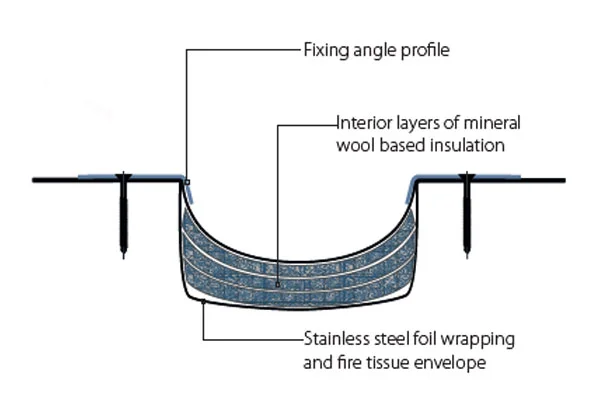
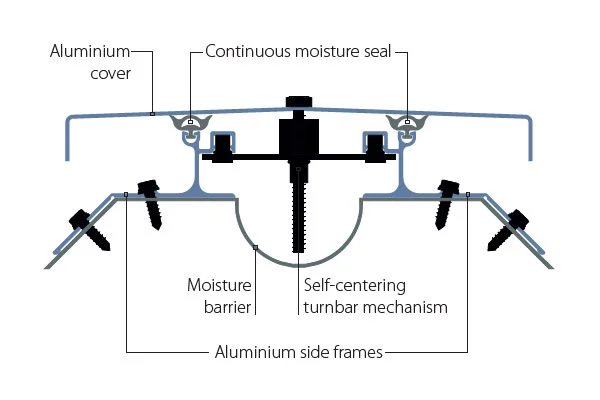
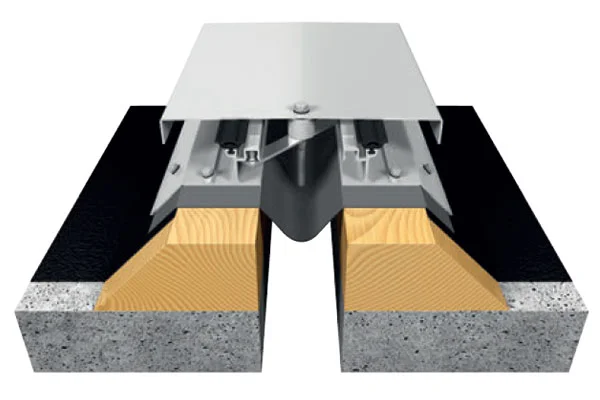
The Polish market for building seismic joints encompasses a range of engineered products designed to accommodate movement, vibration, and stress in structures, thereby preventing damage and ensuring safety and longevity. These products include expansion joints, control joints, and specialized seismic isolation bearings, fabricated from materials such as rubber, metal, and composite polymers. The market serves as a barometer for advanced construction practices and regulatory compliance in Poland’s built environment.
As of the 2026 analysis period, the market is characterized by its project-driven nature, with demand heavily correlated to the pipeline of large-scale infrastructure, commercial high-rises, and industrial facilities. The market size is intrinsically linked to construction investment volumes, though it represents a premium, specification-driven niche within the broader construction materials sector. Its growth trajectory has consistently outpaced general construction growth due to the increasing complexity and performance requirements of new builds.
The market structure is bifurcated between standard, commoditized joint systems used in routine construction and high-performance, custom-engineered solutions for critical infrastructure like bridges, airports, and power plants. This segmentation dictates different competitive dynamics, supply chains, and pricing models. The regulatory environment, particularly building codes that reference Eurocodes and national standards on structural safety, forms the non-negotiable baseline for market existence and product acceptance.
Geographically, demand is concentrated in regions with high construction activity, including major urban agglomerations like Warsaw, Kraków, Wrocław, and the Tri-City area, as well as along key transport and energy infrastructure corridors. The market’s development reflects Poland’s broader economic transition and its alignment with European Union standards for safety and sustainability in construction.
Demand Drivers and End-Use
Demand for building seismic joints in Poland is propelled by a confluence of legislative, economic, and technical factors. The primary and most potent driver is the evolving regulatory landscape. Polish construction law, harmonized with EU directives, mandates stringent safety and durability standards. The adoption of Eurocode 8, which specifically addresses seismic design, has elevated the requirement for certified movement joint systems in regions with any seismic risk, which includes a significant portion of Polish territory, thereby expanding the addressable market beyond traditionally perceived high-risk zones.
Sustained public and private investment in infrastructure constitutes the second major demand pillar. Poland remains a beneficiary of significant EU funding cycles, which have financed extensive road, rail, and bridge networks. Each of these projects requires sophisticated joint systems to manage thermal expansion, dynamic loads, and potential seismic events. Similarly, the modernization of public buildings, including schools, hospitals, and administrative centers under various renovation programs, often includes seismic retrofitting, driving demand for both new installations and replacement components.
The commercial real estate sector, particularly the development of high-rise office and mixed-use complexes in major cities, is a key end-user. Architects and structural engineers specify high-performance seismic joints to protect these capital-intensive assets, ensure occupant safety, and maintain operational continuity. The trend towards taller and more architecturally complex buildings directly increases the technical requirements and value of the joint systems incorporated.
Industrial construction, including manufacturing plants, logistics hubs, and energy facilities (both conventional and renewable), represents another critical end-use segment. In these settings, joints must often accommodate not just structural movement but also heavy machinery vibrations, chemical exposure, and extreme temperatures, necessitating specialized and durable solutions. The growth of Poland’s industrial base, attracting foreign direct investment, consistently feeds demand from this segment.
- Transport Infrastructure: Bridges, tunnels, airport runways, and railway stations.
- Commercial Real Estate: High-rise office towers, shopping malls, and hotels.
- Public & Institutional Buildings: Hospitals, universities, museums, and government buildings undergoing modernization or new construction.
- Industrial Facilities: Manufacturing plants, power stations, chemical plants, and warehouses.
- Residential Construction: Primarily in large-scale multi-family residential projects where regulatory compliance and long-term building integrity are prioritized.
Supply and Production
The supply landscape for building seismic joints in Poland is defined by a mix of international specialists and domestic manufacturers. The market is moderately consolidated, with a handful of global players holding significant share, particularly in the high-performance, engineered product segment. These international companies typically operate through local subsidiaries or exclusive distributors, providing technical support, design services, and certified products that meet the stringent EU and Polish standards.
Domestic Polish production is robust in the segment of standard and customized metal expansion joints, rubber-based joint seals, and some pre-compressed joint systems. Local manufacturers compete effectively on price, delivery lead times, and flexibility for custom fabrication for less complex applications. Their supply chains are largely regional, sourcing steel, rubber compounds, and polymers from European suppliers, though global commodity price fluctuations directly impact their input costs.
Production capabilities within Poland have advanced significantly, with several leading domestic firms investing in CNC machining, vulcanization lines, and quality control laboratories to meet higher certification demands. However, the production of the most advanced seismic isolation bearings and complex multi-directional joint systems remains largely the domain of specialized international producers, making Poland partially import-dependent for cutting-edge solutions required in flagship infrastructure projects.
The supply chain is project-centric. For large infrastructure tenders, suppliers are often involved during the design phase, working directly with engineering firms. Distribution channels vary, ranging from direct sales from manufacturer to contractor for major projects, to sales through specialized construction wholesalers and distributors for smaller projects and maintenance, repair, and operations (MRO) demand. Inventory management is crucial, as projects require just-in-time delivery of often bulky components.
Trade and Logistics
Poland’s position in the European building seismic joints market is that of a net importer in value terms, though the trade balance varies by product type. The country exports standard metal and rubber joint components to neighboring markets in Central and Eastern Europe, leveraging cost competitiveness and geographic proximity. These exports typically consist of catalog products or components fabricated to client drawings for regional construction projects.
Imports, however, are of higher value and criticality. Poland imports advanced seismic damping systems, high-load bearing assemblies, and proprietary joint systems from technological leaders in Western Europe (notably Germany, Italy, and Switzerland) and from specialized global suppliers. These imports are directly tied to major infrastructure projects where specific international certifications or unique engineering solutions are mandated by project specifications or lead consultants.
Logistics present specific challenges due to the nature of the products. Seismic joints and bearings can be extremely heavy, large, and sensitive to damage during transport. Shipping often requires specialized heavy-goods vehicles and careful handling. For just-in-time delivery to construction sites, which are often in urban centers or remote infrastructure corridors, precise logistics planning is essential to avoid costly project delays. Warehousing strategy is also important, as suppliers must balance the need to hold strategic stock of common items against the high carrying cost of these bulky goods.
The customs union of the European Union facilitates the smooth flow of goods from major supplying countries, eliminating tariff barriers. However, compliance with technical standards (CE marking, national technical assessments) remains a key non-tariff requirement for both imports and exports. The efficiency of Poland’s road and port infrastructure generally supports reliable logistics, though bottlenecks can occur during peak construction seasons.
Price Dynamics
Pricing in the Poland building seismic joints market is highly heterogeneous, driven by a multi-factor model rather than simple commodity pricing. At the most fundamental level, price is a function of the product’s performance specifications: its load-bearing capacity, range of movement, fire resistance, durability rating, and material composition. A custom-engineered seismic isolator for a nuclear facility commands a premium exponentially higher than a standard concrete expansion joint profile for a parking garage.
Raw material costs are a significant and volatile input. Prices for steel, specialty alloys, high-grade rubber, and advanced polymers are subject to global market fluctuations, which manufacturers must absorb or pass through via price adjustment clauses in long-term contracts. The energy intensity of manufacturing processes, particularly for metal fabrication and rubber vulcanization, also links final product prices to industrial energy costs, which have seen notable volatility.
The competitive landscape exerts downward pressure on prices for standard products, where several domestic and regional suppliers compete. Here, pricing is often aggressive, focusing on cost leadership. Conversely, in the high-performance segment, pricing power resides with the few technology holders. Their pricing reflects not just product cost but also the embedded value of proprietary design, extensive testing and certification, lifetime performance warranties, and sophisticated technical advisory services provided throughout the project lifecycle.
Project-based pricing is the norm for large contracts. Quotations include the cost of materials, custom engineering, prototyping/testing, delivery, and often on-site supervision for installation. The bargaining power of large construction consortia or state-backed infrastructure agencies can lead to significant negotiated discounts. Overall, the market exhibits a trend towards value-based pricing, where the focus is on the total cost of ownership and risk mitigation over the structure’s lifespan, rather than merely the initial purchase price.
Competitive Landscape
The competitive environment is stratified by technology, product segment, and project scale. The top tier consists of multinational corporations with global brands, extensive R&D portfolios, and the ability to deliver fully integrated, certified solutions for the world’s most demanding structures. These players compete primarily on technological superiority, proven track records on reference projects, and the depth of their engineering support. They dominate the tender lists for Poland’s most prestigious infrastructure projects.
The middle tier features established Polish and regional European manufacturers with strong production capabilities and deep understanding of local standards and construction practices. These companies are highly agile, often competing successfully by offering competitive pricing, reliable quality, shorter lead times, and excellent customer service for a wide range of standard and moderately customized applications. They form the backbone of supply for commercial and industrial construction.
A third tier comprises smaller specialized fabricators, distributors, and import agents. These firms may focus on niche materials, specific application types (e.g., joints for flooring systems), or act as representatives for foreign niche producers. Competition at this level is often highly fragmented and price-sensitive. Key competitive factors across all tiers are increasingly shifting towards sustainability credentials, such as the use of recycled materials and the environmental impact of the production process.
- International Technology Leaders: Companies like Maurer SE, Mageba SA, and Freyssinet (within the Vinci group) have a strong presence on major Polish infrastructure projects.
- Leading Domestic Producers: Polish firms such as Hydrotork and various specialized metalworking and rubber goods manufacturers have significant market share in their respective segments.
- Major European Industrial Suppliers: Large diversified construction material groups with joint system divisions also supply the Polish market.
- Specialized Distributors and System Integrators: Companies that aggregate products from various manufacturers and provide design-to-installation packages.
Methodology and Data Notes
This report on the Poland Building Seismic Joints Market employs a multi-method research approach to ensure analytical rigor and comprehensiveness. The foundation is a thorough analysis of official statistical data from Polish and EU sources, including trade databases (COMEXT), industrial production statistics, and construction output reports. This quantitative data provides the macro-economic and sectoral context for market sizing and trend validation.
Primary research forms a critical pillar of the methodology. This includes in-depth interviews conducted with industry stakeholders across the value chain. Participants encompass product managers and sales directors at leading manufacturing firms, technical specification managers at major engineering and architectural practices, procurement officers from large construction contractors, and experts from industry associations and standards bodies. These interviews yield qualitative insights on market dynamics, competitive strategies, technological trends, and procurement processes that pure statistical analysis cannot capture.
Desk research synthesizes information from a wide array of secondary sources. These include company annual reports, financial statements, official tender announcements from Polish public procurement offices, technical publications, and relevant trade press. Analysis of project pipelines for infrastructure and major commercial developments provides forward-looking indicators of demand. All data points are cross-referenced for consistency, and market size estimates are derived using established triangulation techniques between supply-side production data, demand-side project analysis, and trade flow figures.
The forecast component to 2035 is developed through a combination of econometric modeling and scenario analysis. Key macroeconomic indicators for Poland, such as GDP growth, construction sector investment, and public infrastructure spending plans, serve as model inputs. Regulatory trends, technological adoption curves, and material innovation pathways are integrated as qualitative adjustment factors. The forecast presents a reasoned projection of market direction and structural evolution, acknowledging inherent uncertainties related to economic cycles, policy shifts, and geopolitical factors.
Outlook and Implications
The Poland building seismic joints market is projected to follow a growth trajectory through the forecast period to 2035, underpinned by durable long-term fundamentals. The ongoing need to modernize and maintain the country’s extensive infrastructure assets, coupled with stringent and likely further tightening building safety regulations, will sustain core demand. The market’s evolution will be characterized not merely by volume growth but by a marked increase in technological sophistication and performance requirements.
A key trend shaping the outlook is the increasing integration of digital tools and smart monitoring. The emergence of “smart joints” embedded with sensors to provide real-time data on movement, stress, and wear will transition the product from a passive component to an active part of a building’s health monitoring system. This will create new value propositions for suppliers who can offer predictive maintenance services alongside their physical products, potentially shifting business models towards service-oriented, long-term contracts.
Sustainability will move from a peripheral concern to a central purchasing criterion. Demand will grow for joints manufactured from recycled or bio-based materials, with lower carbon footprints in production. Furthermore, the role of seismic joints in enhancing building resilience and longevity aligns directly with the principles of sustainable construction by reducing the need for future repairs and preventing catastrophic failure, thus protecting embodied carbon. Suppliers will need to provide robust environmental product declarations (EPDs) to remain competitive.
For market participants, the implications are clear. Domestic manufacturers must continue to invest in R&D and certification to move up the value chain and capture more of the high-margin, engineered product segment. International players must deepen local technical support and consider localized production or assembly for key product lines to improve cost structures and responsiveness. For all, developing expertise in digital integration and sustainability metrics will be crucial to securing a competitive advantage in the Polish market through 2035 and beyond.
Source: IndexBox Platform