
Dive Brief:
- Construction input prices climbed 2.2% month over month in March, according to an analysis of the latest economic data by Associated Builders and Contractors released Tuesday.
- Nonresidential inputs increased 2.3% month over month in March largely due to a jump in crude petroleum prices. At an annualized rate for the first three months of the year, input prices rose 18%.
- The jump in crude petroleum stems from ongoing geopolitical tensions tied to the conflict in Iran, said Anirban Basu, ABC chief economist.
Dive Insight:
Crude petroleum jumped 20.2% month over month in March, putting upward pressure on “virtually every construction material,” said Basu.
He added it remains to be seen how other input prices will react in the months to come. On a year-over-year basis, construction materials prices are up 4.8%, the largest annual gain since January 2023, according to the report.
Despite that backdrop, expectations around profit margins amongst contractors ticked up again in March, according to ABC.
“The rapid increase in diesel prices since late February, for instance, will raise shipping costs,” said Basu. “It will be interesting to see if that optimism persists in the event of prolonged oil market strife.”
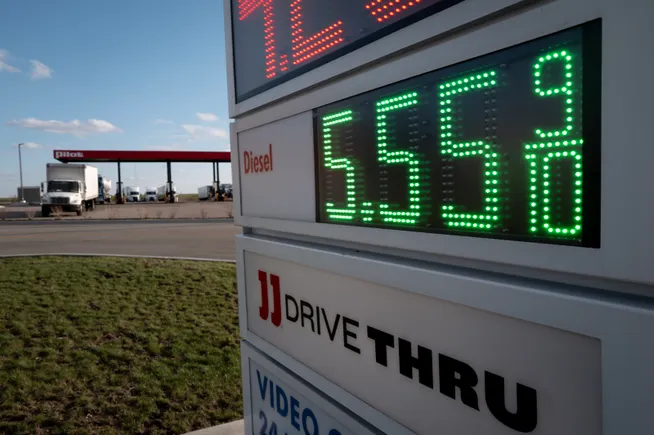
For now, impacts are most prevalent in fuel markets. Diesel prices surged 37.8% from February to March, the largest one month rise since the Gulf War in 1990, according to an analysis by the Associated General Contractors of America.

“The staggering jump in fuel costs only reflects prices as of mid-March,” said Ken Simonson, AGC chief economist. “Diesel fuel prices have continued to rise sharply since then, while the destruction of aluminum facilities and blockage of ship movements due to the Middle East war is driving costs still higher.”
Contractors have reported being hit with rapidly increasing fuel surcharges on the thousands of deliveries of materials and equipment to jobsites, according to AGC. That’s in addition to the direct cost of fuel they buy for their trucks and construction equipment.
“Because contractors can seldom pass along cost increases after committing to a project, these extreme, sudden jumps are causing major hardship,” said AGC CEO Jeffrey Shoaf. “In addition, uncertainty over future costs and demand for structures may cause owners to delay or cancel previously planned projects, adding to contractors’ woes and slowing economic growth.”