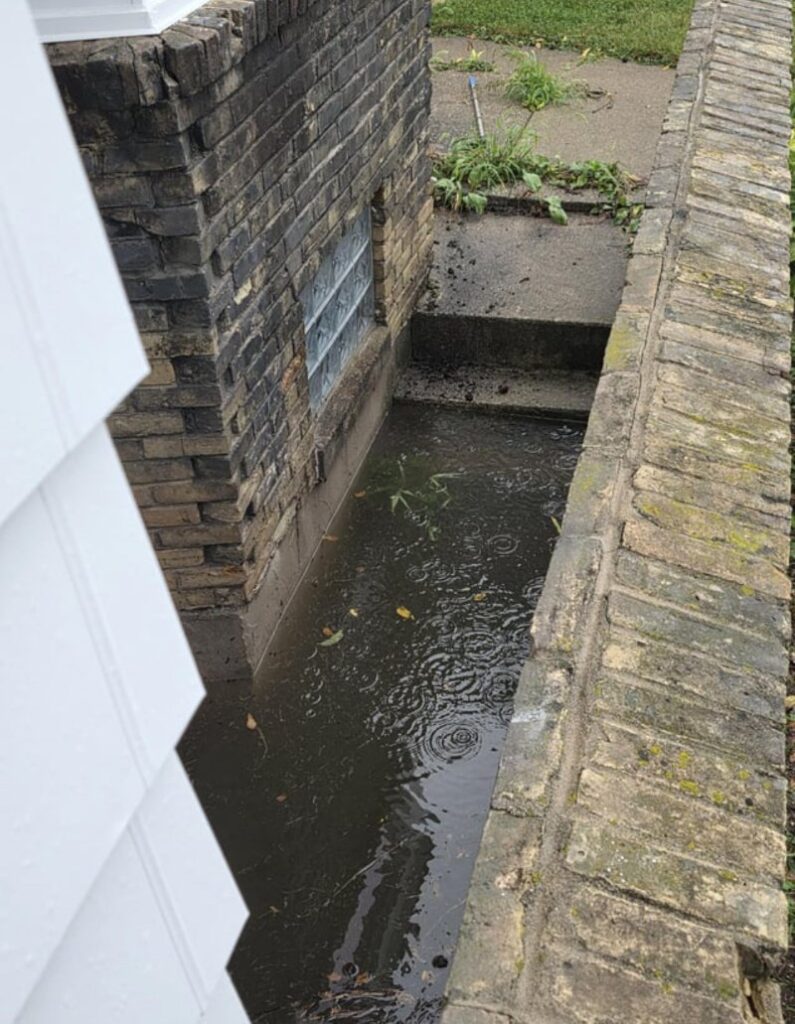
 The storms that swept through Milwaukee on August 9–10, 2025 were more than just another summer downpour—they were a frightening experience for many families. Streets turned into rushing rivers, cars were stranded, and countless homeowners woke up to the shock of water pouring into their basements. It’s overwhelming, it’s stressful, and for some, it’s a true crisis.
At Zablocki Waterproofing, we live and work in this community too, and we’ve seen firsthand how hard these floods have hit our neighbors. We want you to know you’re not alone. Our team is here to help you stay safe, recover, and protect your home from future storms.This article shares what happened, why basement flooding is so damaging, and the exact steps you can take if it happened to you.
Article Summary
- Milwaukee’s Flood History and the August 2025 Event
- Why Basement Flooding Is a Major Problem
- What to Do First for Safety
- Removing Water from Your Basement
- Drying Out and Preventing Mold
- Knowing When to Call a Professional
- Long-Term Flood Prevention Measures
- How Zablocki Waterproofing Can Help
- Final Thoughts
1. Milwaukee’s Flood History and the August 2025 Event
Milwaukee sits by Lake Michigan and several rivers, so floods are part of its history. Past storms in 1986, 2008, and 2010 all left neighborhoods underwater and caused millions in property damage. The 2010 flood, for example, brought more than 7 inches of rain in just a few hours, creating sinkholes and shutting down major roads.
The August 9–10, 2025 event was even more extreme. Some neighborhoods saw 14 inches of rain in under 24 hours, a pace that storm sewers and drainage systems simply couldn’t handle. Rivers swelled past flood stage, Wisconsin State Fair closed early, and roads in Wauwatosa, Shorewood, and South Milwaukee became impassable. City officials declared a state of emergency, the National Guard was called in, and more than 600 emergency calls poured in overnight for water rescues, gas leaks, and flooded buildings.
2. Why Basement Flooding Is a Major Problem
A flooded basement can damage drywall, flooring, insulation, and personal items. Water seeps into cracks and pores in concrete, which can weaken the structure over time. This kind of moisture can also create perfect conditions for mold and mildew, which harm air quality and can trigger health problems like allergies or asthma.
Even a small amount of water—just an inch or two—can ruin carpet, destroy electronics, and warp wooden furniture. If the flooding happens repeatedly, you could face costly foundation repairs or a permanent loss of usable space in your home. That’s why acting fast is essential.
3. What to Do First for Safety
When your basement floods, safety is your first priority. If there’s standing water, shut off power to that area to prevent electrical shocks. Never touch any plugged-in devices or outlets until you know the electricity is off.
Floodwater isn’t clean—it can contain sewage, chemicals, or sharp debris. Wear waterproof boots and gloves before entering, and avoid wading into water deeper than your ankles if you’re unsure about hidden hazards. If the water level is high or moving, wait for professional help rather than risking injury.
4. Removing Water from Your Basement
If the flooding is minor, you might be able to handle it yourself with a wet/dry shop vacuum or buckets. For more serious flooding, a sump pump or specialized water extraction equipment will be necessary. Acting quickly here can save you thousands of dollars in repairs.
If you already have a sump pump, make sure it’s working and check if it has a battery backup in case the power goes out. If it fails during a storm, your basement can fill up fast. In that case, calling an emergency water removal service may be your safest option.
5. Drying Out and Preventing Mold
After the water is gone, your basement needs to be dried thoroughly. Mold can start forming in as little as 24–48 hours, so the clock is ticking. Set up fans to keep air moving and run a dehumidifier to pull moisture from the air.
If the weather is dry, open windows to help with ventilation. Remove any items that have been soaked and can’t be fully cleaned—such as carpet, padding, or insulation. For signs that water has damaged your foundation and made flooding worse, see Exterior Signs You Need Foundation Repair.
6. Knowing When to Call a Professional
While small leaks might be manageable on your own, large or repeated floods require a professional’s touch. Call a basement waterproofing expert if the water is more than a few inches deep, if you notice cracks in your foundation, or if your basement smells like mold after drying.
A professional can inspect your home and recommend solutions that address both the symptoms and the cause. That might mean installing an interior drain tile system, sealing walls, or adding a high-capacity sump pump. In serious cases, excavation and exterior waterproofing may be needed to keep future storms from doing more damage.
7. Long-Term Flood Prevention Measures
Preventing future flooding starts with controlling where the water goes. Keep gutters and downspouts clear and direct them at least 6 feet away from your foundation. Install or upgrade a sump pump with a battery backup so it works even in a power outage.
You may also need to seal foundation cracks inside and out or consider a full basement waterproofing system for lasting protection. While these upgrades cost money upfront, they can save you far more by avoiding water damage repairs. Learn more in How Foundation Repair Saves Money Long-Term.
8. How Zablocki Waterproofing Can Help
If your basement flooded during the August 2025 storms—or you’re worried about the next big rain—you’re not alone. Zablocki Waterproofing has helped Milwaukee homeowners prepare for, prevent, and recover from flooding for years.
We offer emergency sump pump service, foundation crack repairs, and full waterproofing systems designed for Wisconsin’s weather. Our team can inspect your home, find the source of water problems, and build a plan that keeps your basement dry year-round.
9. Final Thoughts
The August 9–10, 2025 floods shook Milwaukee in ways that will be remembered for years. For those who experienced damage during the storm, we understand how overwhelming it can feel to take the next step. Zablocki Waterproofing is here for our friends and neighbors across the Milwaukee area—ready to answer questions, provide honest advice, and deliver the help you need to protect your home. If you need help now, contact Zablocki Waterproofing to get a professional inspection and a plan for a safer, drier basement with trusted Milwaukee basement waterproofing.