Executive Summary
The Mexico building seismic joints market stands as a critical and dynamic segment within the nation’s broader construction and industrial safety landscape. Characterized by stringent regulatory evolution and a growing imperative for resilient infrastructure, the market is transitioning from a niche specialty to a fundamental component of modern building design. This report provides a comprehensive analysis of the market’s current state as of the 2026 edition, examining the complex interplay of regulatory mandates, construction activity, and technological adoption that defines demand. The analysis projects key trends and competitive dynamics through the forecast horizon to 2035, offering stakeholders a data-driven foundation for strategic planning.
Demand is fundamentally anchored in Mexico’s high seismic risk profile, which necessitates specialized construction solutions to ensure structural integrity and occupant safety. The market’s trajectory is not merely a function of construction volume but is increasingly shaped by the sophistication of building codes, such as the Mexico City Building Code and complementary state-level regulations. This regulatory environment compels architects, engineers, and developers to integrate seismic joints as a non-negotiable element in a wide array of structures, from towering commercial skyscrapers to essential public infrastructure like hospitals and transportation hubs.
Supply dynamics are marked by a mix of established international manufacturers and a growing cadre of domestic producers striving to meet localized technical and cost requirements. The competitive landscape is segmented by product type—including expansion joints, control joints, and isolation systems—and by material composition, with innovations in metals, elastomers, and composites driving product development. This report meticulously dissects these segments, providing clarity on market shares, production capacities, and the strategic positioning of key players as they navigate import dependencies and logistical challenges.
The outlook to 2035 is framed by several convergent forces: the ongoing urbanization and redevelopment in major seismic zones, the increasing value of insured assets demanding higher protection standards, and a national focus on infrastructure modernization. While the market presents significant growth opportunities, it also faces headwinds from economic cycles affecting construction investment and the pace of regulatory enforcement across different regions. This executive summary encapsulates a detailed exploration of these factors, culminating in a strategic assessment of the pathways for growth, investment, and innovation in the Mexican seismic joints sector over the coming decade.
Market Overview
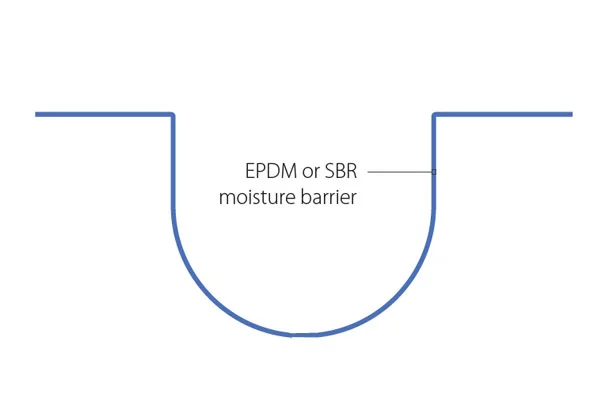
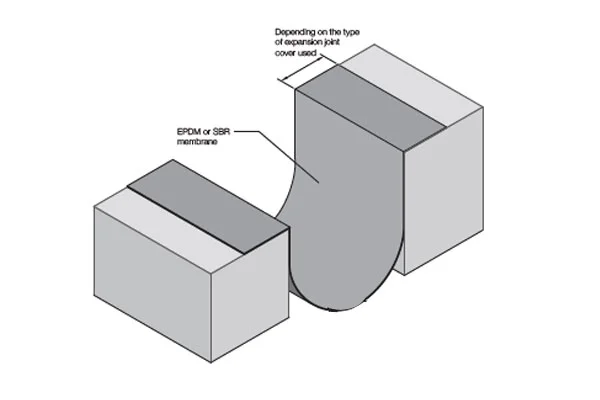
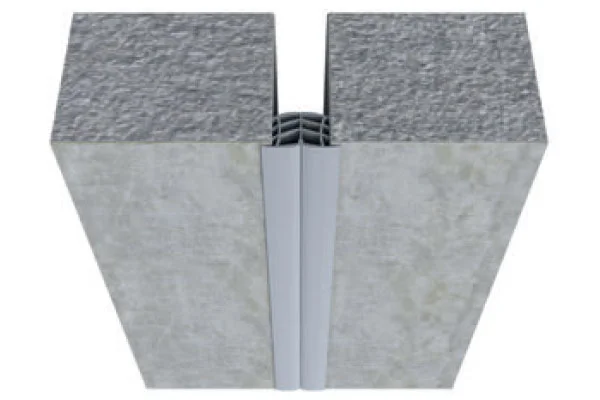
The Mexico building seismic joints market is an integral subsystem of the country’s construction industry, dedicated to manufacturing and supplying components that allow for controlled movement between sections of a structure during seismic events, thermal expansion, and settlement. These joints are engineered to absorb energy, accommodate displacement, and prevent catastrophic structural failure. The market’s scope encompasses a range of products, including modular expansion joint systems, seismic isolation bearings, curtain wall joints, and floor-to-floor movement assemblies, each tailored to specific structural requirements and performance standards.
As of the 2026 analysis, the market’s size and structure reflect Mexico’s unique geological context, situated atop several major tectonic plates. This inherent risk has catalyzed a mature regulatory framework that mandates the use of seismic mitigation technologies in building design. Consequently, the market is less susceptible to discretionary spending cuts than other construction segments, as its demand is often codified into law. The market serves multiple end-use sectors, with commercial real estate, industrial facilities, and public infrastructure projects representing the core demand clusters, each with distinct technical specifications and procurement channels.
The value chain is multifaceted, beginning with raw material suppliers (steel, rubber, polymers), extending through specialized manufacturers and fabricators, and reaching the end-user via engineering consultancies, direct sales to construction firms, and distributors. A notable characteristic of the Mexican market is the significant role played by imported high-technology joint systems, particularly for large-scale or complex projects, which coexist with a robust domestic manufacturing base for more standardized solutions. This duality influences pricing, availability, and competitive strategies across the sector.
Regional concentration is pronounced, with the highest demand emanating from zones of greatest seismic activity and economic density. Central regions, including Mexico City and surrounding states, historically represent the largest market due to a combination of seismic history, stringent local building codes, and concentrated high-rise construction. Pacific coastal states, such as Jalisco (Guadalajara) and Baja California, also constitute major markets due to their seismic vulnerability and ongoing urban development. Understanding this geographic dispersion is crucial for supply chain logistics and market penetration strategies.
Demand Drivers and End-Use
Demand for building seismic joints in Mexico is propelled by a confluence of regulatory, economic, and structural factors. The primary and non-negotiable driver is the nation’s seismic hazard, which necessitates engineered solutions for risk mitigation. This foundational driver is activated and shaped by the evolution and enforcement of building codes. The Mexico City Building Code, often a benchmark for other jurisdictions, has progressively incorporated more rigorous performance-based design requirements, effectively mandating the use of advanced seismic joint systems in new constructions and major retrofits.
Beyond regulation, macroeconomic trends in construction investment directly influence market volume. Large-scale infrastructure projects—including airports, metro lines, and hospital networks—prioritize seismic resilience due to their critical public function and long asset life. Similarly, the development of commercial office towers, high-end residential complexes, and industrial parks in seismically active zones creates sustained demand. The trend towards taller and more architecturally complex buildings further amplifies the need for sophisticated joint systems that can accommodate multi-directional movement.
The end-use market is segmented into several key verticals, each with specific demand characteristics:
- Commercial Real Estate: This segment includes office buildings, shopping malls, hotels, and mixed-use developments. Demand here is driven by investor requirements for asset protection, insurance premium considerations, and the need to ensure business continuity. Specifications often emphasize aesthetics and integration with façade systems.
- Industrial & Manufacturing: Facilities such as automotive plants, chemical processing units, and warehouses require seismic joints to protect expensive machinery, ensure operational integrity, and safeguard against hazardous material spills. Demand focuses on durability, load-bearing capacity, and often, corrosion resistance.
- Public Infrastructure: This is a highly regulated and critical segment encompassing hospitals, schools, government buildings, bridges, and transportation terminals. Demand is driven by public safety mandates, disaster preparedness protocols, and the use of public funding, which strictly adheres to seismic codes.
- Residential: While historically focused on high-rise luxury developments, demand is gradually permeating mid-rise residential construction in risk zones, influenced by growing developer and buyer awareness of seismic safety.
An emerging driver is the retrofit and rehabilitation of existing building stock. As building codes advance and the economic value of older structures in prime locations increases, there is a growing market for the seismic upgrading of buildings, which often involves the installation or enhancement of movement joint systems. This segment represents a significant long-term opportunity, particularly in dense urban centers with aging infrastructure.
Supply and Production
The supply landscape for seismic joints in Mexico is characterized by a hybrid structure, featuring both multinational corporations and domestic manufacturers. Leading global suppliers maintain a strong presence, leveraging their extensive R&D capabilities, international project experience, and portfolios of patented high-performance systems. These companies typically focus on the premium segment of the market, supplying complex engineered solutions for landmark projects, and often operate through local offices or exclusive distributorships to provide technical support and certification.
Domestic production forms the backbone of the market for standardized and cost-sensitive applications. Mexican manufacturers have developed considerable expertise in fabricating metal expansion joints, elastomeric bearings, and other modular systems that comply with national standards. Their competitive advantages include shorter lead times, greater flexibility for custom modifications, and lower logistics costs. The domestic supply chain is integrated with local steel mills, rubber compounders, and machining workshops, though some specialized raw materials or components may still be imported.
Production capabilities are geographically clustered near major demand centers and industrial hubs. Manufacturing facilities are often located in the State of Mexico, Jalisco, Nuevo León, and Baja California, providing proximity to both construction sites and port infrastructure for import/export activities. The production process is knowledge-intensive, requiring precision engineering, rigorous quality control, and testing to meet certified performance standards. Capacity utilization among domestic producers is closely tied to the cycles of the construction industry, leading to periods of tight capacity during construction booms.
Technological adoption is a key differentiator. While basic joint systems are commoditized, the frontier of supply is defined by integrated smart joints with sensors for health monitoring, advanced isolation systems that decouple the building from ground motion, and new material composites offering superior durability and fire resistance. Investment in these advanced technologies is predominantly led by international players, though some domestic firms are forming technical partnerships to move up the value chain. The balance between imported technology and local manufacturing prowess is a defining tension within the market’s supply structure.
Trade and Logistics
International trade is a substantial component of the Mexico building seismic joints market, reflecting the gap between domestic production capabilities and the requirements for highly specialized, project-specific systems. Mexico maintains a significant import volume for advanced seismic joint systems, particularly those involving proprietary damping technologies, large-scale isolation bearings, and specialized alloys. These imports primarily originate from technologically advanced manufacturing bases in the United States, Western Europe, and Japan, where leading global engineering firms are headquartered.
Exports from Mexico, while smaller in scale compared to imports, are not insignificant. Domestic manufacturers export standardized expansion joint profiles, components, and related construction materials to markets in Central and South America, where similar seismic concerns and building practices exist. This export activity is often facilitated by trade agreements and demonstrates the competitive strength of Mexican industrial manufacturing in certain product categories. The trade balance in this sector typically shows a deficit, underscoring the higher value and technological intensity of imported goods.
Logistics and supply chain management present distinct challenges and costs. Imported joint systems are often bulky, heavy, and require careful handling to prevent damage to precision components. Transportation from ports or border crossings to construction sites, which may be in congested urban centers or remote industrial parks, requires specialized freight planning. Just-in-time delivery is critical in construction projects, making reliable logistics partners and efficient customs clearance processes essential for suppliers. For domestic manufacturers, the logistics challenge revolves around the timely procurement of raw materials and the distribution of finished goods to construction sites nationwide.
The regulatory environment for trade is governed by both general customs regulations and specific product certifications. Imported seismic joints must often comply with NOM (Norma Oficial Mexicana) standards or demonstrate equivalence to recognized international standards (e.g., ASTM, ISO). The certification process can affect lead times and inventory strategy. Furthermore, tariffs on imported steel and other raw materials can influence the cost structure for domestic producers, making the trade policy landscape a relevant factor for overall market pricing and competitiveness.
Price Dynamics
Pricing within the Mexico building seismic joints market is not uniform but is instead stratified by product complexity, performance level, and brand positioning. At the highest tier, custom-engineered isolation systems or smart joints with integrated monitoring command premium prices, justified by their high R&D content, specialized manufacturing, and critical role in protecting high-value assets. These prices are often negotiated on a project-by-project basis and are relatively inelastic, as they represent a small fraction of the total project cost but a vital insurance component.
For standardized expansion joints and bearing systems, pricing is more competitive and sensitive to input cost fluctuations. The primary cost drivers for these products include:
- Raw Material Costs: Prices for steel, stainless steel, rubber, and specialized polymers are subject to global commodity markets and currency exchange rates. Volatility in these inputs directly impacts manufacturer margins and final product pricing.
- Labor and Fabrication Costs: Skilled labor for precision welding, machining, and quality control constitutes a significant portion of production costs, particularly for domestic manufacturers.
- Regulatory Compliance Costs: Expenses related to testing, certification, and ensuring compliance with evolving building codes are embedded in the price. Products with international certifications (e.g., UL, FM) often carry a price premium.
Market competition exerts downward pressure on prices for standard items. The presence of both multinational and domestic players, along with the option to import directly, creates a competitive environment where price is a key decision factor for contractors and developers on non-critical applications. However, for projects where performance and liability are paramount, such as hospitals or data centers, the purchasing decision shifts towards quality and proven performance, insulating premium suppliers from pure price competition.
Price trends over the forecast period to 2035 are expected to be influenced by several countervailing forces. On one hand, advancements in manufacturing efficiency and increased scale among domestic producers could exert moderate downward pressure. On the other hand, rising material costs, more stringent testing requirements, and the integration of advanced materials or digital features are likely to support price stability or increases in certain segments. The overall effect is anticipated to be a gradual, moderate price increase in line with general construction cost inflation, with significant divergence between standard and high-performance product categories.
Competitive Landscape
The competitive arena of the Mexico building seismic joints market is segmented and dynamic, with players competing on technology, price, service, and local presence. The market structure can be broadly categorized into three tiers: global engineering leaders, established domestic manufacturers, and specialized importers/distributors. The global leaders possess the strongest brand recognition, backed by decades of project history worldwide and continuous investment in seismic research. They dominate the segment for iconic buildings and infrastructure projects where technical complexity and risk mitigation are the foremost concerns.
Established domestic manufacturers form the core of the market’s volume supply. These companies have deep roots in the Mexican construction industry and have built strong relationships with local engineering firms and contractors. Their strategy often revolves around providing reliable, code-compliant products with strong technical support and faster delivery times than imported alternatives. Competition within this tier is intense, focusing on cost optimization, customer service, and the ability to offer customized solutions for local architectural practices.
Key competitive factors that determine success in this market include:
- Technical Expertise and Certification: The ability to provide certified calculation reports, seismic simulations, and on-site engineering support is a critical differentiator, especially for complex projects.
- Product Range and System Integration: Suppliers offering a comprehensive portfolio—from façade joints to structural isolation—can provide integrated solutions, simplifying the procurement process for developers.
- Distribution and Service Network: Having technical sales representatives and service teams located near major construction hubs provides a significant advantage in responsiveness and project coordination.
- Cost Competitiveness and Value Engineering: The capability to propose cost-effective alternatives that meet performance specifications is highly valued by cost-conscious developers and contractors.
Strategic movements within the landscape include partnerships between international and domestic firms to blend technology with local market access, as well as consolidation as larger construction material groups seek to add seismic mitigation to their portfolio. The competitive landscape is expected to remain fragmented in the standard product segment but concentrated in the high-technology segment. As the market grows and codes become more stringent, the emphasis on proven performance and technical support will likely strengthen the position of established players with robust engineering capabilities.
Methodology and Data Notes
This market analysis is the product of a rigorous, multi-faceted research methodology designed to ensure accuracy, depth, and strategic relevance. The foundational approach is a blend of primary and secondary research, triangulated to validate findings and provide a 360-degree view of the market dynamics. The process begins with an exhaustive review of all available secondary sources, including government publications on construction activity and building code updates, trade association reports, company financial statements and annual reports, technical journals on seismic engineering, and relevant news and industry media.
Primary research forms the core of the qualitative and quantitative insights. This involves structured interviews and surveys with key industry participants across the value chain. Participants include:
- Executives and product managers at leading seismic joint manufacturers (both domestic and international).
- Engineering consultants and structural design firms specifying these products.
- Procurement officers and project managers at major construction and development companies.
- Distributors and representatives involved in the supply chain.
- Regulatory officials and industry association representatives familiar with code development.
Data analysis involves the synthesis of volume and value estimates based on reported sales figures, production data, and import/export statistics. Market sizing employs a bottom-up approach, modeling demand from construction activity in key segments and applying typical product adoption rates. Forecasts to 2035 are developed through a combination of trend analysis, driver assessment, and scenario modeling, considering macroeconomic projections for construction investment, regulatory timelines, and technological adoption curves. All forecasts are presented as directional trends and relative growth rates, in strict adherence to the guidelines prohibiting the invention of new absolute figures.
It is important to note the inherent limitations of any market analysis. Data on a specialized B2B market like seismic joints can be fragmented, and some companies treat specific sales figures as proprietary. This report mitigates this through cross-verification from multiple sources. Furthermore, the forecast horizon to 2035 is subject to uncertainties including sudden shifts in economic policy, unprecedented seismic events that accelerate regulatory change, or disruptive technological breakthroughs. This analysis presents the most probable trajectory based on conditions and trends observable in the 2026 edition, providing a robust framework for strategic decision-making within defined confidence intervals.
Outlook and Implications
The trajectory of the Mexico building seismic joints market from the 2026 analysis point through the forecast horizon to 2035 is poised for sustained, structurally-driven growth. The fundamental drivers—seismic risk, regulatory maturation, and the economic imperative to protect built assets—are long-term and non-cyclical in nature. While the market will inevitably experience fluctuations in line with the broader construction industry’s investment cycles, its underlying growth rate is expected to outpace general construction due to the increasing penetration of seismic joint requirements in more building types and regions. The transition from a product market to a solutions market, emphasizing integrated design and performance guarantees, will define the next phase of industry development.
Several key implications arise from this outlook for different stakeholder groups. For manufacturers and suppliers, the emphasis must shift towards value-based competition rather than pure cost-based competition. Investing in local technical support teams, pursuing certifications for advanced systems, and developing partnerships with engineering firms will be crucial for capturing high-value projects. Domestic producers have a significant opportunity to move up the technology ladder through strategic alliances or focused R&D, particularly in retrofitting solutions and modular systems tailored for mid-rise construction.
For construction firms, developers, and project owners, the implication is a need for earlier and more collaborative engagement with seismic joint specialists. Treating these components as a last-minute procurement item is a suboptimal strategy that can lead to cost overruns and design compromises. Instead, integrating joint system design during the architectural and structural engineering phases can optimize both performance and cost. Furthermore, as building information modeling (BIM) becomes standard, the demand for detailed, digitally-native product data from joint suppliers will increase.
From a policy and regulatory perspective, the outlook suggests a continued path towards harmonization and enforcement. There is a clear opportunity for regulatory bodies to further standardize testing protocols and performance requirements across states, reducing complexity for national projects. Additionally, incentives or mandates for the seismic retrofit of critical public and private infrastructure could unlock a substantial new market segment, driving innovation in installation techniques and minimally disruptive products. The overall implication is that the Mexico building seismic joints market is evolving from a specialized construction detail into a recognized pillar of national resilience and sustainable urban development, offering strategic opportunities for informed and agile stakeholders through 2035.
Source: IndexBox Platform