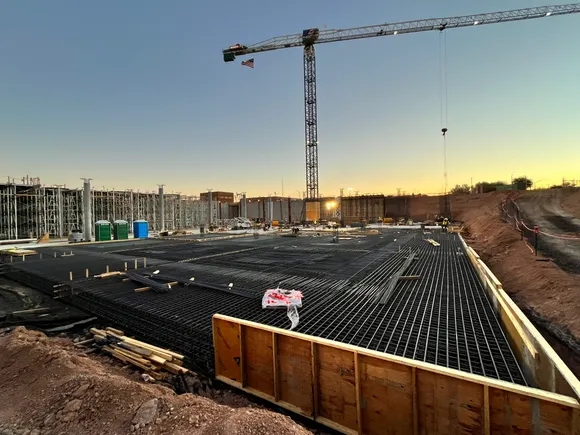

Construction on a $168 million expansion of a water treatment plant in Mesa, Arizona, reached a major milestone to start the year, but not before McCarthy Building Cos. overcame a potential roadblock.
The builder began work on phase one, which includes construction of a second reservoir onsite, in January 2024, according to a news release sent to Construction Dive. The new 8-million-gallon reservoir measures 234 feet by 234 feet and is 25 feet tall, and sits just south of the facility’s existing reservoir, which McCarthy also constructed nearly two decades ago.
But due to the soft nature of the surrounding area’s soil, the St. Louis-based general contractor knew the project could likely lead to potential settlement and leakage concerns down the road.
To overcome this, McCarthy and Overland Park, Kansas-based Black & Veatch, the engineer of record, adopted a leak-detection system beneath the reservoir. That meant the implementation of several proactive strategies onsite, according to the news release.
For example, teams placed a layer of #57 rock under the entire footprint of the tank and installed perforated pipe in four quadrants tied back to a sump. The work will allow the City of Mesa to pinpoint the source area if any leakage is ever detected in the future.
This sub-slab system is a notable enhancement compared to traditional reservoir designs, according to McCarthy.
“Our team was able to anticipate many of the project challenges, but there were still some highly unique circumstances for the project team to address, which would not have happened as successfully had it not been for the cooperative and collaborative relationship between everyone on the project,” Gray Wensley, senior superintendent for McCarthy’s water team, said in the release. “From the deep excavation and complex shoring to the leak-detection system and elevated deck, the team found solutions and delivered a high-quality structure on a very tight site while keeping the plant fully operational the entire time.”
Effective preconstruction planning accelerated the construction schedule by an estimated two to two and half months, according to McCarthy. The team also used space at a nearby city park to stockpile roughly 20,000 cubic yards of excavated material, which avoided the costly export and reimport of backfill.
“This reservoir is a critical piece of our long-term water operational strategy for the East Valley, and it’s been delivered with the kind of care and innovation we expect on a project of this importance,” Chris Hassert, water resources director for the City of Mesa, said in the release. “The team found ways to save time and money while adding new tools, like the leak-detection system, that will help us manage this asset for decades.”
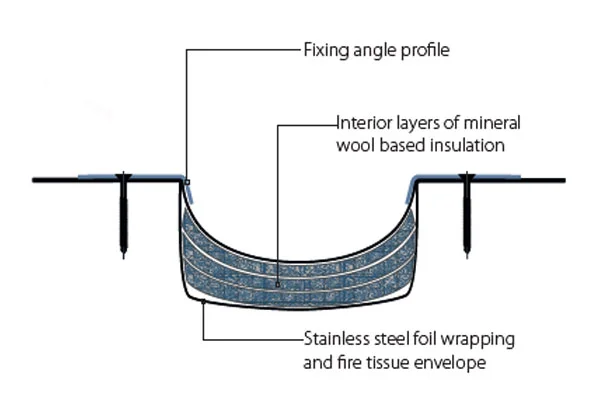
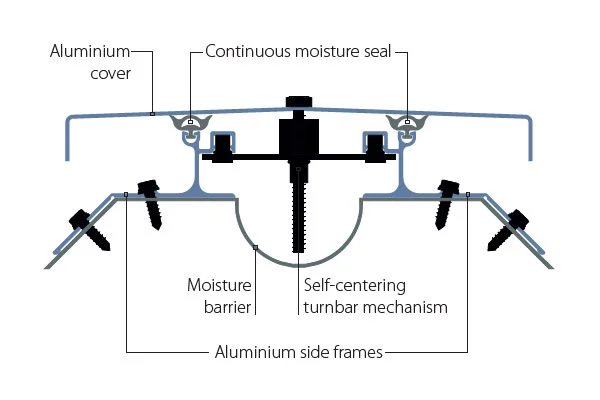
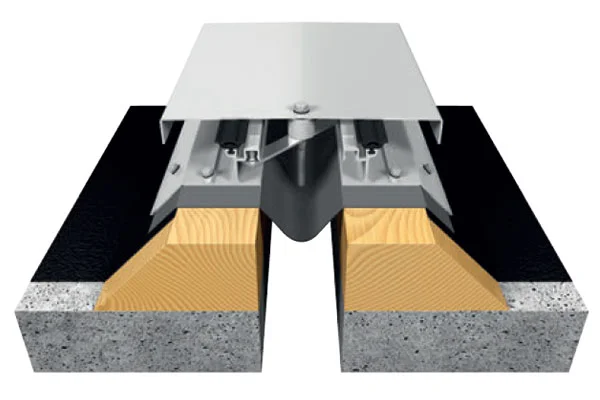
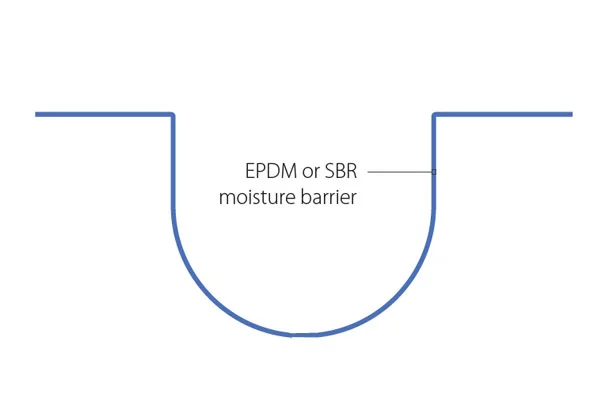
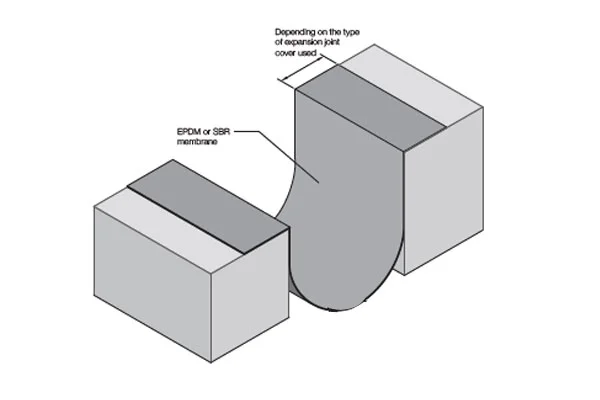
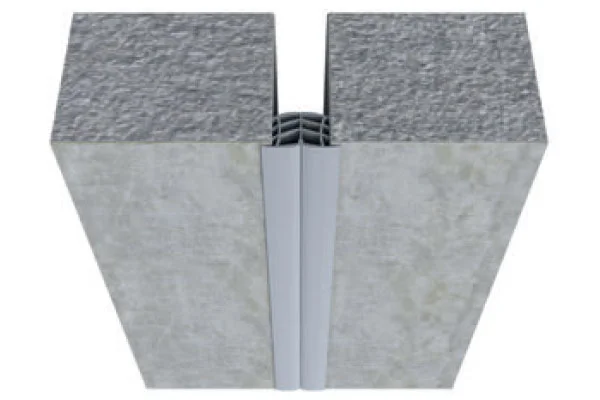
Work required about 8,300 cubic yards of concrete, which McCarthy’s concrete experts poured in 40-foot by 40-foot squares and sequenced diagonally to allow for the expansion joints. McCarthy expects to complete this portion of the project in October.
Building a new reservoir next to an existing one
McCarthy and Black & Veath used virtual design and construction modeling to plan shoring, soil nails, slopes and crane locations, according to the release. The excavation phase extended roughly 30 feet below grade, with about 12 feet of separation between the new and original reservoirs. Crews also built a live fiber-optic duct bank in between the two bodies of water.
Phase two of the project will double the plant’s treatment capacity from 24 million to 48 million gallons of water per day, according to the release. Planned work includes the addition of a mirrored sand-ballasted flocculation system, ozone generation and sodium hypochlorite generation for disinfection, according to the release.
McCarthy expects to complete phase two of the project in early summer 2027, according to the contractor.