Skip to content
Executive Summary
The Israeli market for polyurethane sealants represents a dynamic and technologically advanced segment within the nation’s broader construction and industrial supplies industry. Characterized by robust demand driven by sustained infrastructure development, a booming high-tech manufacturing sector, and stringent building performance standards, the market has demonstrated consistent growth. This report provides a comprehensive 2026 analysis of the market’s structure, key players, supply chains, and price mechanisms, establishing a detailed baseline for forecasting trends through to 2035.
Current market dynamics are shaped by a confluence of factors, including the evolution of domestic production capabilities, the critical role of imports in meeting specialized demand, and the increasing influence of sustainability and performance specifications on purchasing decisions. The competitive landscape features a mix of multinational chemical giants and agile local formulators, each vying for share across diverse end-use sectors. Understanding the interplay between these elements is crucial for stakeholders navigating both immediate opportunities and long-term strategic planning.
The outlook to 2035 points towards a market that will continue to evolve in sophistication, with growth increasingly tied to innovation in product formulations—such as low-VOC and fast-curing sealants—and penetration into new industrial applications. While foundational demand from construction will remain pivotal, segments like renewable energy, advanced electronics, and specialized transportation are poised to become significant growth engines. This report equips executives and investors with the analytical framework and insights necessary to make informed decisions in this evolving landscape.
Market Overview
The Israeli polyurethane sealants market is a mature yet growing niche, integral to the country’s economic pillars of construction, technology, and infrastructure. As of the 2026 analysis, the market’s size and trajectory reflect Israel’s unique economic conditions: a high rate of urbanization, continuous investment in residential and commercial building, and a world-class industrial base requiring advanced bonding and sealing solutions. The market’s value is sustained not only by volume consumption but also by a steady shift towards higher-performance, premium-grade products that command greater value.
Geographically, demand is heavily concentrated in the country’s central economic hubs, including the Tel Aviv metropolitan area, Jerusalem, and Haifa, where the majority of construction activity and industrial facilities are located. However, significant infrastructure projects, such as those in the Negev and Galilee regions, contribute to a more distributed demand pattern. The market’s structure is bifurcated between standard construction-grade sealants used for general waterproofing and glazing, and high-specification industrial formulations designed for challenging environments in manufacturing and technology.
The regulatory environment in Israel, particularly building codes and environmental standards, plays a defining role in shaping product specifications and market acceptance. Standards that emphasize energy efficiency, durability, and indoor air quality directly increase the specification of high-performance polyurethane sealants over cheaper alternatives. This regulatory push, combined with a technically proficient customer base, creates a market that is responsive to innovation and quality, favoring suppliers with strong R&D and technical support capabilities.
Demand Drivers and End-Use
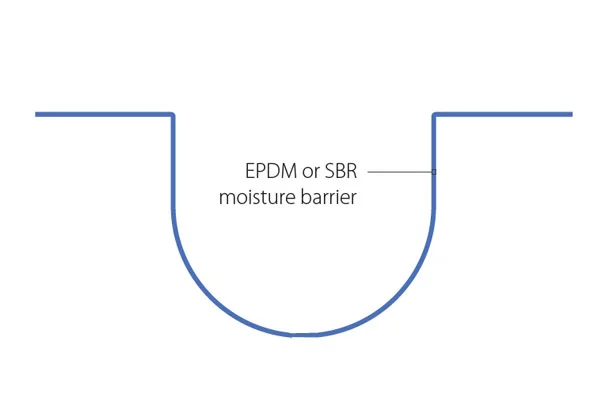
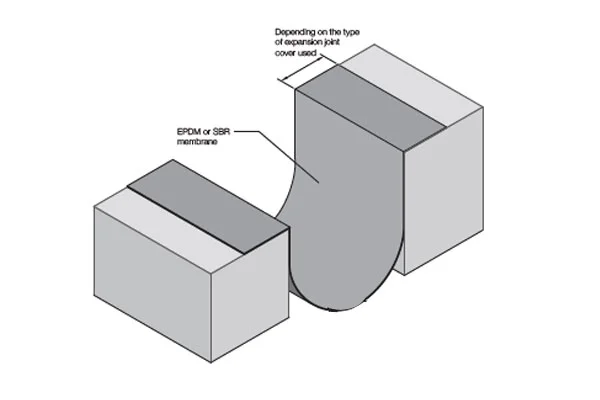
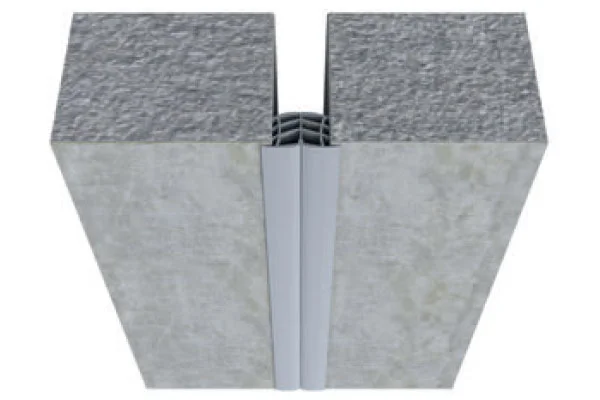
Demand for polyurethane sealants in Israel is propelled by a multi-sectoral foundation, with the construction industry acting as the primary and most stable pillar. The ongoing need for housing, coupled with large-scale commercial and public infrastructure projects, ensures consistent baseline consumption. Sealants are critical for applications including structural glazing, expansion joint sealing, perimeter sealing of windows and doors, and waterproofing of balconies and foundations. The drive for taller buildings and more complex architectural designs further necessitates advanced sealing solutions that offer flexibility, adhesion, and long-term weatherability.
Beyond construction, the industrial manufacturing sector is a powerful and growing driver of demand. This includes, but is not limited to, the following key industries:
- Electronics and High-Tech: For potting, encapsulation, and sealing sensitive components against moisture and dust.
- Automotive and Transportation: Used in vehicle assembly, bus manufacturing, and for sealing in rail and aerospace applications.
- Renewable Energy: Critical for sealing and mounting in solar panel installations and associated infrastructure.
- Plumbing and HVAC: For sealing pipe penetrations, ductwork, and equipment installations.
The specificity of industrial applications often requires tailor-made formulations, pushing the market towards higher value-added products. Furthermore, the trend towards prefabrication and modular construction in Israel is altering demand patterns, creating need for sealants that are compatible with off-site manufacturing processes and that can perform reliably in panelized systems. The convergence of these drivers creates a demand profile that is both broad-based and increasingly sophisticated.
Supply and Production
The supply landscape for polyurethane sealants in Israel is characterized by a hybrid model of domestic production and significant import reliance. Local manufacturing is conducted by several established chemical companies and specialized formulators who produce a range of standard and customized sealants for the construction and industrial markets. Domestic production offers advantages in terms of logistics speed, responsiveness to local specifications, and reduced exposure to international supply chain volatility and currency fluctuations.
However, domestic production capacity is not sufficient to meet the entire market’s needs, particularly for highly specialized, technologically advanced, or cost-competitive commodity sealants. Therefore, imports constitute a substantial portion of market supply. Leading multinational chemical corporations supply the Israeli market through local distributors or direct sales channels, bringing global brands and cutting-edge formulations. This dual-source supply chain provides market resilience but also subjects local prices to global raw material cost dynamics and international freight logistics.
The production process itself is sensitive to the costs and availability of key raw materials, primarily isocyanates and polyols, which are petrochemical derivatives. Fluctuations in global oil prices and disruptions in the chemical supply chain can directly impact local production economics. Israeli producers must navigate these input cost challenges while competing with imported products, often focusing on differentiation through service, customization, and meeting localized regulatory requirements to maintain their market position.
Trade and Logistics
International trade is a cornerstone of the Israeli polyurethane sealants market. Given the gap between domestic production and total consumption, Israel is a net importer of these products. Major import origins typically include European Union countries, the United States, and increasingly, manufacturers from Asia. The choice of supplier is influenced by factors such as product technology, brand reputation, price competitiveness, and the existence of established trade agreements or distribution partnerships.
The logistics of importing sealants involve navigating maritime shipping routes to Israel’s major ports, primarily Haifa and Ashdod, followed by inland distribution to warehouses and retailers across the country. Efficient logistics are critical, as sealants have shelf-life considerations and construction projects operate on tight timelines. Importers and distributors must manage complex inventory to balance the availability of a wide product portfolio with the costs of holding stock. Customs clearance and compliance with Israeli standards (SI standards) for imported chemical products add layers of complexity and cost to the trade process.
Exports of Israeli-made polyurethane sealants are comparatively limited but not insignificant. They typically consist of specialized formulations or products tailored for specific regional needs in neighboring markets or niche industrial applications where Israeli manufacturers have developed particular expertise. The trade balance, skewed towards imports, underscores the market’s dependence on global supply chains and highlights a potential area for strategic development in domestic manufacturing capacity and technological advancement.
Price Dynamics
Pricing in the Israeli polyurethane sealants market is influenced by a multifaceted set of factors, creating a dynamic and sometimes volatile cost environment. The most fundamental driver is the cost of raw materials, specifically isocyanates (like MDI and TDI) and polyols, which are tied to global petrochemical prices. Fluctuations in crude oil prices, production outages at major chemical plants overseas, and changes in global demand for these intermediates can cause significant upstream cost pressures that ripple through to the final sealant price.
Beyond raw materials, other critical components of the price structure include manufacturing energy costs, labor, packaging, and the substantial costs associated with compliance, certification, and meeting Israeli environmental regulations. For imported products, the price is further affected by international freight rates, currency exchange rates (particularly the Shekel against the US Dollar and Euro), import duties, and local distributor margins. This layered cost structure means that end-user prices can be subject to shifts from a variety of unrelated economic events.
At the consumer level, price sensitivity varies significantly by segment. In large-scale construction projects or industrial OEM applications, where sealant performance and total lifecycle cost are paramount, buyers may be less sensitive to upfront price and more focused on specification compliance and reliability. In contrast, in the retail DIY segment or for small contractors, price competition is often more intense, leading to a wider range of available products at different price points. The overall trend, however, is towards value-based competition rather than pure cost-based competition, as the risks of sealant failure are high.
Competitive Landscape
The competitive arena for polyurethane sealants in Israel is diverse, featuring a strategic battle between large multinational corporations and regional or local manufacturers. The market is moderately concentrated, with a handful of global players holding significant share through their advanced technology, extensive product portfolios, and strong brand recognition. These multinationals compete primarily on the basis of product innovation, technical service, and their ability to supply consistent, globally certified products to large multinational construction firms and industrial clients operating in Israel.
Local Israeli manufacturers and formulators compete effectively by leveraging their deep understanding of the domestic market, regulatory environment, and specific customer needs. Their strategies often include:
- Providing faster delivery and more flexible supply terms.
- Offering customization and tailored formulations for local applications.
- Competing aggressively on price for standard product segments.
- Building strong relationships with local distributors and contractors.
The distribution network is a key battleground. Competition occurs not only among producers but also among the distributors, wholesalers, and large retail chains that stock and sell these products. Key channels include specialized building material suppliers, industrial suppliers, and DIY home improvement stores. The competitive landscape is further shaped by ongoing mergers and acquisitions, as larger players seek to consolidate market position, and by the continuous entry of new, innovative products that can disrupt established application norms.
Methodology and Data Notes
This report on the Israel Polyurethane Sealants Market has been developed using a rigorous, multi-faceted research methodology designed to ensure accuracy, reliability, and analytical depth. The foundation of the analysis is a comprehensive review of primary and secondary data sources. Primary research involved in-depth interviews and surveys with key industry stakeholders across the value chain, including manufacturers, importers, distributors, major contractors, and industry experts. These engagements provided critical insights into market dynamics, competitive strategies, pricing trends, and technological developments that are not captured in published data.
Secondary research constituted a systematic analysis of a wide array of credible sources. This included official statistics from Israeli government bodies such as the Central Bureau of Statistics (CBS) and the Ministry of Economy and Industry, trade data detailing import and export volumes, company annual reports and financial disclosures, technical publications, and specialized trade media. This data triangulation—cross-referencing information from multiple independent sources—was employed to validate findings and build a consistent and coherent market picture as of the 2026 analysis base year.
All market size estimations, growth rate calculations, and segment analyses presented are the result of this proprietary synthesis. Forecasts to 2035 are derived through a combination of quantitative modeling, which extrapolates historical trends while accounting for cyclicality, and qualitative scenario analysis that incorporates expert judgments on the impact of macroeconomic conditions, regulatory changes, and technological shifts. It is important to note that while the report provides a detailed framework and directional outlook, all long-term forecasts are subject to uncertainties inherent in any dynamic market.
Outlook and Implications
The trajectory of the Israeli polyurethane sealants market towards 2035 is projected to be one of steady, technology-driven growth, albeit with evolving sectoral contributions and competitive dynamics. The fundamental demand drivers—population growth, urbanization, infrastructure renewal, and industrial advancement—are expected to remain firmly in place, providing a solid floor for market expansion. However, the quality and nature of growth will increasingly be defined by innovation, sustainability mandates, and the penetration of sealants into new, high-value applications beyond traditional construction.
Key trends that will shape the market outlook include the accelerated adoption of green building standards, which will favor low-VOC, sustainable, and durable sealants. The growth of the solar energy sector, electric vehicle production, and advanced electronics manufacturing in Israel will open substantial new avenues for specialized sealant applications. Furthermore, digitalization in construction, such as Building Information Modeling (BIM), will influence specification processes, potentially favoring suppliers with robust digital product data and integration capabilities. These trends collectively suggest a market moving towards higher sophistication and performance requirements.
For industry participants, the implications are clear. Manufacturers and suppliers must invest in research and development to keep pace with evolving performance and environmental standards. Building deep technical support and specification-influence capabilities will be crucial for capturing value in the industrial and high-end construction segments. Supply chain resilience will remain a critical strategic concern, encouraging potential shifts towards regional sourcing or increased domestic production for critical products. Ultimately, success in the Israeli market through 2035 will belong to those players who can effectively blend product excellence, market agility, and a keen understanding of the local regulatory and economic landscape.
Source: IndexBox Platform