
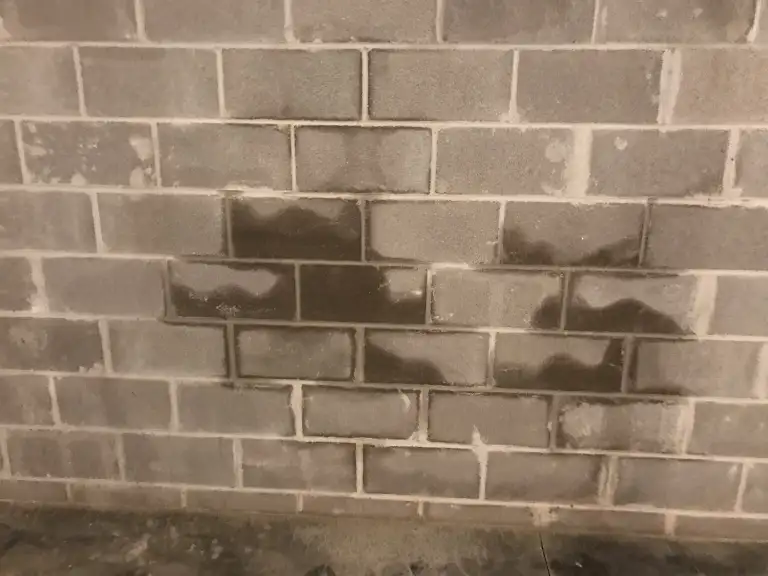


Basement foundations are designed to support the weight of a home while also resisting pressure from the surrounding soil. However, many homeowners are unaware of just how much force that soil can exert over time.
As soil expands, contracts, and becomes saturated with water, it places continuous stress on basement walls and floors. This pressure can gradually lead to cracks, leaks, and even structural movement within the foundation.
Understanding how soil pressure damages basement foundations is essential for identifying the root cause of many common basement problems.
By recognizing how soil conditions affect your home, you can take steps to prevent long-term damage and protect your foundation from costly repairs.
Key Takeaways
-
Soil pressure is one of the leading causes of foundation damage.
-
Wet soil expands and increases pressure against basement walls.
-
Hydrostatic pressure adds additional force when groundwater is present.
-
Soil movement can cause cracks, bowing walls, and structural shifting.
-
Waterproofing and drainage systems help relieve pressure around the foundation.
What Is Soil Pressure?
Soil pressure refers to the force that soil exerts against basement walls and beneath foundation floors.
This pressure is not constant. It changes depending on several factors, including moisture levels, soil composition, and seasonal conditions.
When soil is dry, it may apply relatively low pressure to the foundation. However, when it becomes saturated with water, its weight and volume increase significantly.
As the soil expands, it pushes against basement walls with greater force.
Over time, this repeated pressure can weaken foundation materials and lead to structural damage.
How Water Increases Soil Pressure
Water is one of the most important factors influencing soil pressure.
When rainwater or melting snow enters the ground, it fills the spaces between soil particles. As the soil becomes saturated, it becomes heavier and exerts more force on the foundation.
This process also contributes to hydrostatic pressure, which adds additional stress to basement walls and floors.
The combination of saturated soil and groundwater pressure creates a powerful force that pushes against the foundation from all directions.
This is why many basement problems become more noticeable after periods of heavy rain or seasonal weather changes.
Expansive Soil and Its Effects on Foundations
Certain types of soil, particularly clay-rich soil, are known for their ability to expand when wet and shrink when dry.
This constant cycle of expansion and contraction can create ongoing movement around the foundation.
When expansive soil absorbs water, it increases in volume and pushes against basement walls. When it dries out, it contracts, creating gaps in the soil that can lead to shifting or settling.
Over time, this movement can cause:
-
foundation cracks
-
uneven settling
-
wall movement or bowing
-
gaps between structural components
Homes built on expansive soil are especially vulnerable to foundation damage caused by soil pressure.
How Soil Pressure Causes Basement Wall Cracks
As pressure builds against basement walls, the force can eventually exceed the strength of the materials used in the foundation.
When this happens, cracks may begin to form.
Common types of cracks caused by soil pressure include:
-
vertical cracks from settling
-
horizontal cracks from lateral pressure
-
stair-step cracks in masonry walls
These cracks often serve as early warning signs that the foundation is under stress.
If the pressure continues, cracks may widen and allow water to enter the basement.
The Connection Between Soil Pressure and Bowing Walls
Bowing basement walls are one of the most visible signs of excessive soil pressure.
When the force of the soil pushing against the foundation becomes too great, the wall may begin to curve or lean inward.
This movement typically develops gradually and may start with small horizontal cracks.
Over time, the wall may show signs of:
-
inward bending
-
bulging in the center
-
separation from floor or ceiling connections
Bowing walls indicate that the foundation is under significant stress and may require professional repair.
Soil Pressure Beneath Basement Floors
Soil pressure does not only affect basement walls. It also impacts the area beneath the foundation slab.
When groundwater builds up beneath the home, pressure can push moisture upward through the basement floor.
This can lead to:
-
damp concrete surfaces
-
water seepage through floor cracks
-
recurring moisture problems
This type of pressure is often responsible for basement floor leaks, especially during wet seasons.
Why Poor Drainage Makes Soil Pressure Worse
Drainage plays a major role in controlling soil pressure around a home.
When water is not properly directed away from the foundation, it accumulates in the soil and increases pressure levels.
Common drainage issues include:
-
clogged or overflowing gutters
-
short downspouts
-
improper grading around the home
-
landscaping that traps water near the foundation
These conditions allow water to remain in the soil longer, increasing the amount of pressure applied to basement walls and floors.
Improving drainage can help reduce some of this pressure, but it may not eliminate groundwater issues entirely.
How Waterproofing Systems Help Relieve Soil Pressure
Professional basement waterproofing systems are designed to manage groundwater and reduce the pressure affecting the foundation.
Rather than trying to block soil pressure entirely, these systems work by controlling water movement around the home.
Common solutions include:
-
interior drainage systems that collect water
-
sump pumps that remove groundwater
-
vapor barriers that control moisture
-
crack repair systems that seal entry points
By removing water from around the foundation, these systems help reduce hydrostatic pressure and limit the effects of soil expansion.
The Importance of Addressing Soil Pressure Early
Soil pressure is a gradual but persistent force. Over time, it can cause small issues to develop into significant structural problems.
Ignoring early warning signs such as cracks or moisture can lead to:
-
worsening foundation damage
-
increased repair costs
-
potential structural instability
Addressing soil pressure early allows homeowners to prevent further damage and protect the long-term integrity of their home.
Conclusion
Soil pressure is one of the most important factors affecting the health of a basement foundation. As soil becomes saturated with water, it expands and exerts increasing force against basement walls and floors.
This pressure can lead to cracks, bowing walls, water intrusion, and long-term structural damage if not properly managed.
Understanding how soil pressure damages basement foundations helps homeowners recognize the root cause of many common basement issues.
Professional waterproofing and foundation repair solutions provide effective ways to control groundwater, reduce pressure, and protect the home from ongoing damage.
Taking action early is essential for maintaining a strong, stable foundation and preventing costly repairs in the future.
FAQs
What causes soil pressure on a foundation?
Soil pressure is caused by the weight and expansion of soil around the foundation, especially when it becomes saturated with water.
Can soil pressure damage basement walls?
Yes. Excessive soil pressure can cause cracks, bowing walls, and structural movement in the foundation.
How can I reduce soil pressure around my home?
Improving drainage, directing water away from the foundation, and installing waterproofing systems can help reduce soil pressure.
Is soil pressure the same as hydrostatic pressure?
They are related but not identical. Soil pressure refers to the force of the soil itself, while hydrostatic pressure refers specifically to water pressure within the soil.






