
Basement waterproofing is a crucial element of home maintenance, protecting your investment by preventing water damage and mold growth. With unpredictable weather and rising groundwater levels, homeowners are turning to modern waterproofing solutions that effectively shield basements from water pressure and seepage. This article explains the advanced systems and materials used in contemporary basement waterproofing, offering insights into how these solutions safeguard your home’s structure and indoor air quality. Homeowners will find answers to common questions about waterproofing, early detection of water intrusion, and whether to choose DIY solutions or professional contractors.
Transitioning from the general need for a waterproof basement to specific technologies, the following sections explore methods, benefits, and cost-effectiveness of modern basement waterproofing systems.
What Is Basement Waterproofing and Why Is It Essential for Your Home?

Basement waterproofing involves sealing basements to block water intrusion from rainfall, groundwater pressure, or flooding. Its importance lies in preventing structural damage, mold growth, and degraded indoor air quality, all of which threaten a home’s long-term durability and value. These systems secure the perimeter by using sealants, membranes, and drainage systems, ultimately keeping the basement dry and safe.
How Does Basement Waterproofing Prevent Water Damage?
Waterproofing creates an impermeable barrier using high-performance sealants and membranes combined with effectively designed drainage systems. By withstanding water pressure and redirecting moisture away via sump pumps and exterior drainage, these measures protect foundations from structural deterioration and costly repairs.
What Are the Common Signs of Basement Water Damage?
Homeowners may notice damp spots, efflorescence (white mineral deposits), peeling paint, musty odors, mould, warped walls, or water pooling on the floor. Even light condensation on pipes or in crawl spaces can signal excessive moisture. Early detection through routine inspections and humidity monitoring helps preserve structural integrity and avoid higher repair costs.
How Does Waterproofing Help Prevent Mold and Health Issues?
By keeping basements dry, waterproofing eliminates the conditions that foster mold and mildew. This reduction in moisture minimizes the growth of allergens and harmful pathogens, thereby lowering the risk of respiratory problems and chronic health issues related to poor indoor air quality.
What Are the Latest Technologies Used in Modern Basement Waterproofing?
Recent advances in basement waterproofing integrate traditional methods with cutting-edge technologies. Modern systems employ innovative membranes, smart sump pumps, and high-density drainage systems that form a multi-layered defense against water penetration. These solutions are engineered to adapt to varying water pressure levels, ensuring long-lasting and efficient protection.
How Do Sump Pumps Work to Keep Basements Dry?
Sump pumps collect water via a perforated basin and pump it to safe drainage areas away from the building. Modern units include sensors that automatically trigger the pump when the water reaches a preset level. With backup batteries or dual-pump setups for power outages, sump pumps continuously remove water, thereby protecting against foundation damage and mold hazards in flood-prone areas.
What Role Do Drainage Systems Play in Waterproofing?
Drainage systems, including French drains, perforated pipes, and gravel beds, are installed around the foundation’s perimeter to channel water away. Engineered to manage large volumes of water, these systems often incorporate sensors and maintenance alerts. Effective drainage reduces water pressure on basement walls and minimizes the risk of flooding, enhancing the durability of the overall waterproofing solution.
How Are Waterproof Membranes Applied for Exterior Protection?
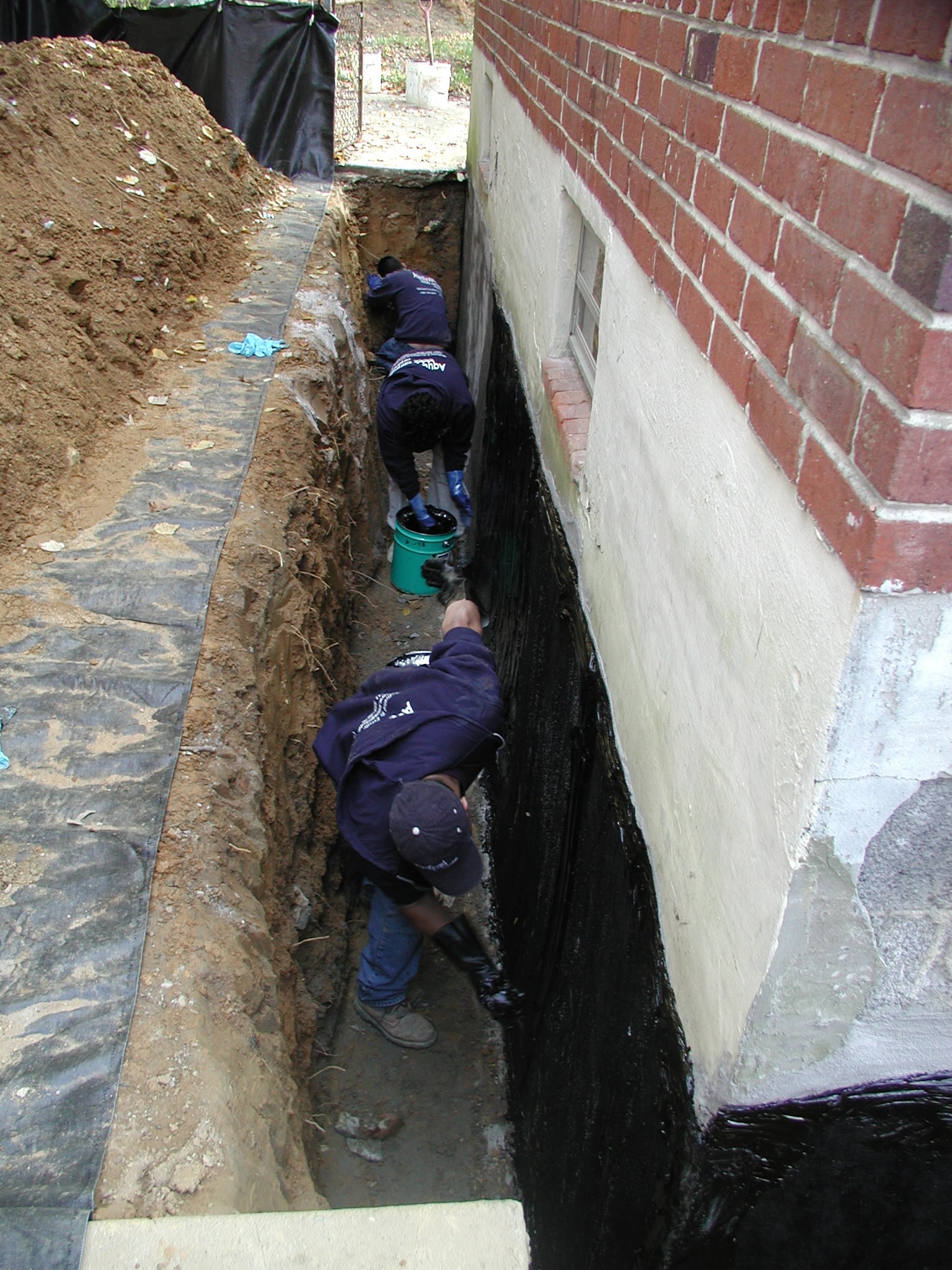
Waterproof membranes are applied to exterior foundation walls and floors as flexible, continuous barriers. Made from bituminous compounds, polyurethane, or synthetic polymers, these membranes resist water penetration even under high pressure. Their seamless installation involves proper surface preparation and priming, ensuring adhesion and long-term effectiveness against chemical erosion and abrasion.
What Are Vapor Barriers and How Do They Control Moisture?
Vapor barriers, used both internally and externally, slow down the migration of water vapor through walls and floors. By limiting moisture diffusion, these barriers prevent condensation and high humidity indoors. Used in combination with insulation, vapor barriers help maintain consistent temperatures and reduce energy losses, contributing to a drier, healthier basement environment.
What Are the Different Types of Basement Waterproofing Methods?
Basement waterproofing methods fall into two main categories: interior and exterior solutions. The choice depends on factors such as the intrusion source, water problem severity, budget, and long-term maintenance needs. Both approaches offer unique benefits, ensuring a dry basement environment and preserving overall home value.
How Does Interior Waterproofing Protect Your Basement?
Interior waterproofing treats the basement from the inside by applying sealants, coatings, and installing drainage systems directly on walls and floors. Techniques like epoxy injection in wall cracks, installation of interior French drains, and application of waterproof paints create water-resistant surfaces without addressing external water pressure. This method is cost-effective for moderate water issues while regulating indoor humidity and reducing mould formation.
What Are the Benefits of Exterior Waterproofing Solutions?
Exterior waterproofing addresses water infiltration at its source. By excavating around the foundation, applying waterproof membranes, installing proper drainage, and reinforcing the structure, this method offers a comprehensive solution. Though typically more labor-intensive and costly, exterior waterproofing provides superior long-term protection, reducing structural damage risk and maintenance expenses.
How Is Crack Repair Performed to Prevent Water Ingress?
Crack repair is a key component of waterproofing, involving the sealing of foundation and wall fissures where water can enter. Modern methods use epoxy or polyurethane injections to fill and bond cracks, effectively stopping current water flow and reinforcing the structural integrity against future water pressure. Routine monitoring and maintenance ensure lasting protection.
How Does Moisture Control Improve Basement Dryness?
Moisture control combines dehumidification, ventilation, and strategic moisture barriers to stabilize indoor air humidity. Modern dehumidifiers efficiently extract excess moisture while recycling drier air. In conjunction with vapor barriers and insulation, these measures prevent condensation on surfaces, ensuring a consistently dry and comfortable basement.
How Do You Choose Between DIY and Professional Basement Waterproofing?
Choosing between DIY waterproofing and professional services depends on project complexity, skill level, and long-term benefits. DIY methods may suit minor issues and limited areas, while professionals provide expertise, advanced equipment, and warranties for lasting protection. This comparison helps homeowners decide on the best approach based on specific water damage challenges and budget considerations.
What Are the Pros and Cons of DIY Waterproofing?
DIY waterproofing is cost-saving and can be satisfying for personal home improvement projects. Tasks like applying sealants or setting up simple drainage systems are accessible with the right tools and basic knowledge. However, the risks include improper application, incomplete coverage, and the absence of long-term warranties, which may lead to more significant problems over time.
Why Should You Hire a Professional Waterproofing Contractor?
Professional contractors offer comprehensive waterproofing solutions using specialized equipment and industrial-grade materials. Their expertise ensures thorough inspections, tailored solutions, and reliable installations that significantly reduce future water damage risks. Professionals also provide warranties and ongoing support, making them a valuable investment for severe or persistent moisture problems.
What Should You Look for When Choosing a Basement Waterproofing Company?
Key considerations include contractor credentials, customer reviews, and warranty offerings. Look for proven experience in handling waterproofing projects, transparent pricing, and clear communication throughout the process. Requesting multiple estimates and case studies or references can further ensure you select a reliable and skilled waterproofing company.
How Much Does Modern Basement Waterproofing Cost and What Are Maintenance Requirements?
The cost of basement waterproofing varies based on basement size, water problem complexity, and materials used. Waterproofing is a long-term investment that not only prevents damage but also increases home value. Modern systems, such as advanced membranes and smart sump pumps, come with ongoing maintenance requirements to ensure optimal functionality over many years.
What Factors Influence the Cost of Basement Waterproofing?
Key cost factors include the extent of existing water damage, chosen waterproofing method (interior, exterior, or combined), labor costs, regional price differences, and material quality. More extensive projects, especially those requiring excavation or structural repairs, will incur higher expenses. Homeowners should also consider additional costs for services like crack repairs, sump pump installations, and periodic inspections.
How Long Do Waterproofing Systems Typically Last?
The longevity of waterproofing systems depends on quality installation, durable materials, and regular maintenance. Exterior systems, when installed correctly, can last 20–30 years, while interior systems may require periodic maintenance every 5–10 years. Routine inspections and upkeep, along with professional warranties, help extend the system’s effective lifespan.
What Are the Best Practices for Maintaining Your Waterproofing System?
Maintenance includes annual inspections, especially after heavy rains, to check for wear on membranes, sump pumps, and drainage lines. Keeping gutters and downspouts clear, monitoring indoor humidity, and promptly repairing minor cracks help maintain the system’s integrity. Following manufacturer guidelines and scheduling regular professional assessments are essential for long-term protection.
How Does Basement Waterproofing Increase Home Value and Protect Your Investment?
A dry, well-protected basement significantly enhances home value by preventing water damage and improving structural integrity. Waterproofing not only reduces costly repairs but also makes the property more attractive to buyers. This section outlines the financial, health, and practical benefits of investing in comprehensive basement waterproofing.
What Are the Financial Benefits of Waterproofing Your Basement?
Effective waterproofing prevents costly structural repairs and maintenance, leading to higher resale values. Homes with waterproofed basements are often more appealing to buyers due to added safety and durability. Furthermore, a secure basement may create additional living space or rental opportunities, enhancing the home’s overall profitability.
How Does Waterproofing Contribute to a Healthier Living Environment?
By keeping basements dry, waterproofing reduces the potential for mold, mildew, and allergens that can compromise indoor air quality. A healthier, moisture-free environment lowers the risk of respiratory issues and improves overall comfort, especially for families with children or allergy sufferers.
What Are Real-Life Examples of Successful Waterproofing Projects?
Case studies demonstrate the effectiveness of modern waterproofing. For example, a homeowner in Metro Detroit resolved frequent flooding by combining exterior membrane installation with interior epoxy injections to seal wall cracks. In another instance, a Florida residence transformed a damp basement into a dry, usable space using integrated sump pump systems and interior sealants. These examples highlight how tailored waterproofing solutions can adapt to diverse challenges and significantly protect a home’s value.
| Factor Influencing Cost | Description | Impact on Longevity | Example |
|---|---|---|---|
| Material Quality | High-grade membranes, sealants, and pumps | Increases system lifespan up to 30 years | Premium polyurethane membranes |
| Labor and Installation | Professional installation ensures proper sealing | Reduces risk of premature failure | Certified waterproofing contractors |
| Project Scope | Size and severity of water issues | Extensive repairs may require replacement | Full basement excavation |
| Environmental Conditions | Local rainfall, groundwater levels | Robust systems needed in high moisture areas | Flood-prone areas in Metro Detroit |
| Maintenance Frequency | Regular inspections and cleaning | Ensures consistent performance and early detection | Annual professional check-ups |
The table above summarizes factors influencing cost, effectiveness, and durability in modern waterproofing systems.
What Are the Environmental and Sustainable Trends in Modern Basement Waterproofing?
Environmental considerations are now integral to modern basement waterproofing. Eco-friendly materials and energy-efficient technologies reduce negative impacts and align with green building practices. Innovations such as recycled membranes and low-VOC sealants help protect basements while also promoting environmental conservation.
How Are Eco-Friendly Materials Used in Waterproofing?
Eco-friendly materials, including membranes made from recycled polymers and solvent-free sealants, minimize environmental harm while offering comparable performance to traditional products. These sustainable options help reduce the overall carbon footprint and comply with green building standards, allowing homeowners to protect their investment responsibly.
What Are the Latest Innovations in Energy-Efficient Waterproofing?
Energy-efficient waterproofing systems, such as modern sump pumps equipped with energy-saving motors and automatic sensors, optimize performance while reducing power consumption. Smart drainage systems with real-time monitoring further decrease energy usage and utility costs, making them attractive for environmentally conscious homeowners.
How Does Proper Waterproofing Help Reduce Environmental Damage?
By preventing water damage, effective waterproofing reduces the need for extensive repairs that generate construction waste and consume additional resources. A well-maintained, dry basement limits the use of chemical treatments and minimizes demolition, thereby reducing overall energy consumption and promoting environmental stewardship.
Frequently Asked Questions
Q: How does basement waterproofing technology work to protect my home? A: It creates barriers using high-performance membranes, efficient drainage systems, and sump pumps that divert water away, safeguarding the foundation and keeping the basement dry.
Q: What are the main differences between interior and exterior waterproofing? A: Interior waterproofing uses coatings and drainage systems within the basement, while exterior waterproofing treats the foundation’s outer surface to block water at its source.
Q: Can I perform waterproofing myself, or should I hire a professional contractor? A: DIY methods may work for minor issues, but professional contractors offer expertise, specialized equipment, and warranties that provide long-term protection for severe problems.
Q: Do modern waterproofing systems require a lot of maintenance? A: They are designed to be low-maintenance; however, regular inspections, cleaning, and minor repairs are recommended to ensure optimal performance.
Q: How does basement waterproofing improve the value of my home? A: A waterproofed basement prevents costly damage, enhances structural integrity, and creates additional usable space, all of which can boost resale value.
Q: What are the environmental benefits of using sustainable waterproofing materials? A: They lower carbon emissions and resource usage by utilizing recycled and eco-friendly components, all while reducing exposure to harmful chemicals.
Q: How long can I expect a professionally installed waterproofing system to last? A: With proper installation and maintenance, exterior systems can last 20–30 years, while interior systems may require periodic upkeep every 5–10 years.
Final Thoughts
Modern basement waterproofing technology is vital for protecting your home from moisture and water intrusion. By leveraging innovative materials, smart sump pumps, effective drainage, and eco-friendly membranes, homeowners can achieve lasting protection. Professional waterproofing solutions not only preserve structural integrity and enhance market value but also contribute to a healthier living environment. Ultimately, a well-executed waterproofing system safeguards your investment while ensuring a dry, safe, and comfortable basement for years to come.






