Crawlspaces are often overlooked because they are out of sight, but moisture problems in this area can have a serious impact on your entire home. What happens beneath your floors does not stay there. Excess moisture in a crawlspace can affect indoor air quality, weaken structural components, and contribute to long-term foundation issues.
Understanding how crawl space moisture develops, why it spreads throughout the home, and how professional moisture control solutions protect both air quality and structural stability is essential for homeowners who want a healthier and more durable home.
Why Crawlspaces Are Prone to Moisture Problems
Crawlspaces sit directly above the soil, making them highly vulnerable to ground moisture. Unlike basements, crawlspaces are often unfinished, poorly sealed, and inadequately ventilated. This creates the perfect environment for moisture accumulation.
Rainwater, groundwater, plumbing leaks, and humid outdoor air can all introduce moisture into a crawl space. Once inside, limited airflow and cooler temperatures allow moisture to linger rather than evaporate.
How Crawlspace Moisture Spreads Through Your Home
Many homeowners are surprised to learn that air from the crawl space moves upward into the living areas of the home. This natural process, known as the stack effect, pulls air from the lowest levels of the house upward.
When crawl space air contains excess moisture, mold spores, or musty odors, those contaminants travel into the home’s living spaces. Over time, this can affect comfort, health, and overall indoor air quality.
The Impact of Crawlspace Moisture on Indoor Air Quality
 Mold and Mildew Growth

Moist environments encourage mold and mildew growth on wood framing, insulation, and other organic materials in the crawlspace. Mold releases spores into the air, which can circulate throughout the home.
Poor indoor air quality caused by mold exposure may contribute to allergies, respiratory irritation, and other health concerns, especially for children and individuals with asthma or sensitivities.
Increased Humidity Inside the Home
Excess moisture in the crawlspace raises humidity levels throughout the house. High indoor humidity can make the home feel uncomfortable, strain HVAC systems, and promote condensation on windows and walls.
Humidity also creates favorable conditions for mold growth in other areas of the home, compounding the problem.
Persistent Odors
Musty crawl space odors rarely stay contained. Over time, these smells move upward and become noticeable inside the home. Deodorizers and air fresheners may mask the issue temporarily, but they do not address the underlying moisture problem.
How Crawlspace Moisture Affects Foundation Stability
Wood Rot and Structural Weakness
Moisture exposure causes wood to absorb water, leading to rot and deterioration. Floor joists, beams, and subflooring in the crawlspace are particularly vulnerable.
As wood weakens, floors may become uneven, bouncy, or sag over time. Structural repairs become far more complicated once wood damage progresses.
Soil Movement Beneath the Foundation
Moisture levels in the soil beneath and around the foundation can affect stability. Excess water may cause soil expansion or erosion, leading to uneven support and increased stress on foundation components.
Without proper moisture control, these soil changes can contribute to foundation settlement and cracking.
Increased Risk of Pest Activity
Damp crawlspaces attract pests such as termites, rodents, and insects. Many of these pests thrive in moist environments and can further damage structural materials.
Termites, in particular, are drawn to damp wood and can cause extensive hidden damage before being detected.
Common Signs of Crawlspace Moisture Problems
-
Musty odors inside the home
-
Increased allergy symptoms or respiratory irritation
-
High indoor humidity levels
-
Cold floors in winter
-
Sagging or uneven flooring
-
Visible mold or damp insulation in the crawlspace
These signs often indicate that moisture control issues are affecting both the crawlspace and the living areas above.
Why Ventilation Alone Is Not Enough
Older construction methods often relied on crawlspace vents to control moisture. However, ventilation alone frequently makes the problem worse, especially in humid climates.
Warm, moist outdoor air enters the crawlspace through vents and condenses on cooler surfaces inside. Instead of drying the space, this process adds moisture and fuels mold growth.
Modern moisture control focuses on sealing and managing the crawlspace environment rather than exposing it to uncontrolled outside air.
Professional Crawlspace Moisture Control Solutions
Crawlspace Encapsulation
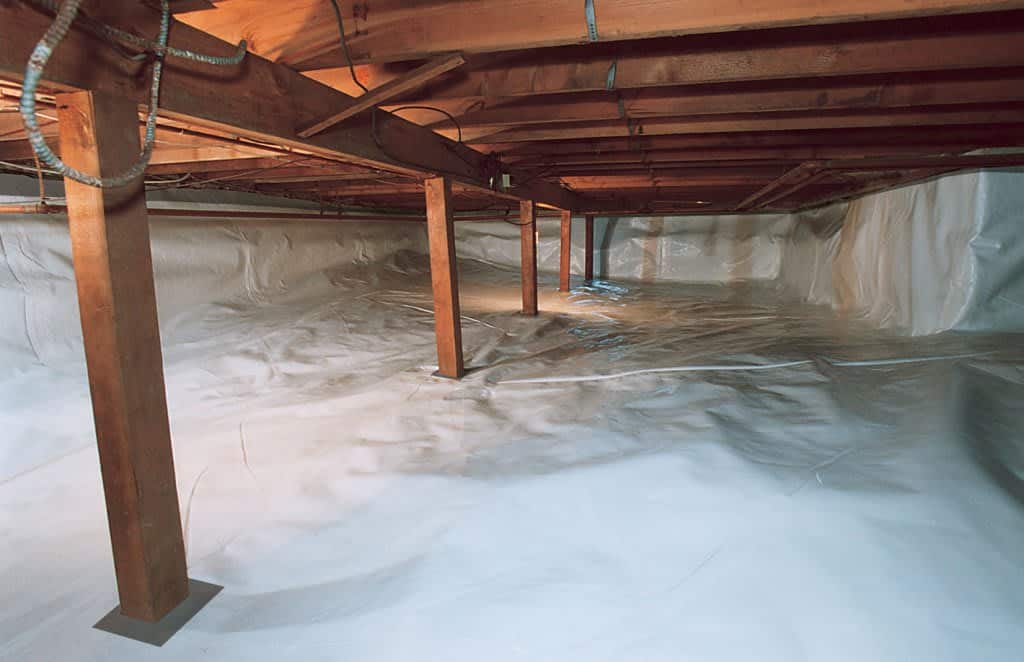
Encapsulation involves sealing the crawlspace with a durable vapor barrier that covers the ground and walls. This barrier prevents moisture from evaporating into the air and protects structural materials from direct exposure.
Encapsulation creates a controlled environment that reduces humidity and improves overall home comfort.
Drainage Improvements
If water collects beneath the crawlspace, drainage solutions may be needed to redirect it away from the foundation. Interior drainage systems and sump pump installations help manage groundwater effectively.
Dehumidification Systems
Professional-grade dehumidifiers designed for crawlspaces maintain consistent humidity levels. Unlike portable units, these systems are sized for the space and operate efficiently year-round.
Sealing and Air Control
Sealing gaps, vents, and penetrations prevents humid air from entering the crawlspace. This step is critical for maintaining stable moisture levels and improving indoor air quality.
The Connection Between Crawlspaces and Energy Efficiency
Moisture problems often go hand in hand with energy loss. Damp insulation loses effectiveness, forcing HVAC systems to work harder to maintain comfortable temperatures.
A dry, sealed crawlspace improves insulation performance, reduces drafts, and lowers energy costs. Homeowners often notice improved comfort shortly after professional moisture control solutions are installed.
Why DIY Crawlspace Fixes Fall Short
Plastic sheets placed on the ground, store-bought dehumidifiers, and temporary sealants may provide short-term improvement but rarely deliver lasting results.
Without addressing drainage, air movement, and long-term moisture sources, DIY fixes often fail. In some cases, improper materials trap moisture or deteriorate quickly, leading to renewed problems.
Professional solutions are designed to work together as a complete system, ensuring consistent performance over time.
Long-Term Benefits of Professional Crawlspace Waterproofing
-
Improved indoor air quality
-
Reduced mold and allergen exposure
-
Stronger, more stable structural components
-
Lower energy costs
-
Increased home value
-
Greater peace of mind
By controlling moisture at its source, homeowners protect not only their crawlspace but the entire home.
When to Seek a Professional Evaluation
If your home shows signs of persistent humidity, odors, or structural changes, a professional crawlspace inspection can identify hidden moisture problems before they worsen.
Early intervention is far more cost-effective than repairing extensive structural or air quality damage later.
Protecting Your Home Starts Below the Surface
Crawlspace moisture is not a minor issue. It affects air quality, structural stability, energy efficiency, and long-term home health. Ignoring it allows hidden damage to grow silently beneath your feet.
Professional crawlspace moisture control provides lasting protection by creating a clean, dry, and stable environment under your home. By addressing moisture where it starts, homeowners can enjoy a healthier living space and a stronger foundation for years to come.