

Basement water problems are one of the most common issues homeowners face, especially in regions that experience heavy rain, seasonal snowmelt, or fluctuating groundwater levels. When water begins entering a basement through cracks, walls, or floors, many homeowners search for quick fixes such as sealants or waterproof coatings.
Unfortunately, these surface solutions often fail because they do not address the real cause of the problem. In most cases, water enters the basement due to pressure building in the soil surrounding the foundation.
This is where interior drainage systems play an essential role. Instead of trying to block water entirely, these systems are designed to manage groundwater and redirect it safely away from the home.
Understanding how an interior drainage system for a basement works can help homeowners see why professional waterproofing solutions are often the most effective way to prevent long-term moisture problems.
Key Takeaways
-
Interior drainage systems collect water that enters the basement.
-
These systems relieve hydrostatic pressure around the foundation.
-
Collected water is directed to a sump pump for removal.
-
Interior systems are less disruptive than exterior excavation.
-
Professional installation provides long-term protection against basement water damage.
Why Basements Need Drainage Systems
Basements are built below ground level, which means the surrounding soil constantly holds moisture. When rain or melting snow saturates the soil, groundwater pressure builds around the foundation.
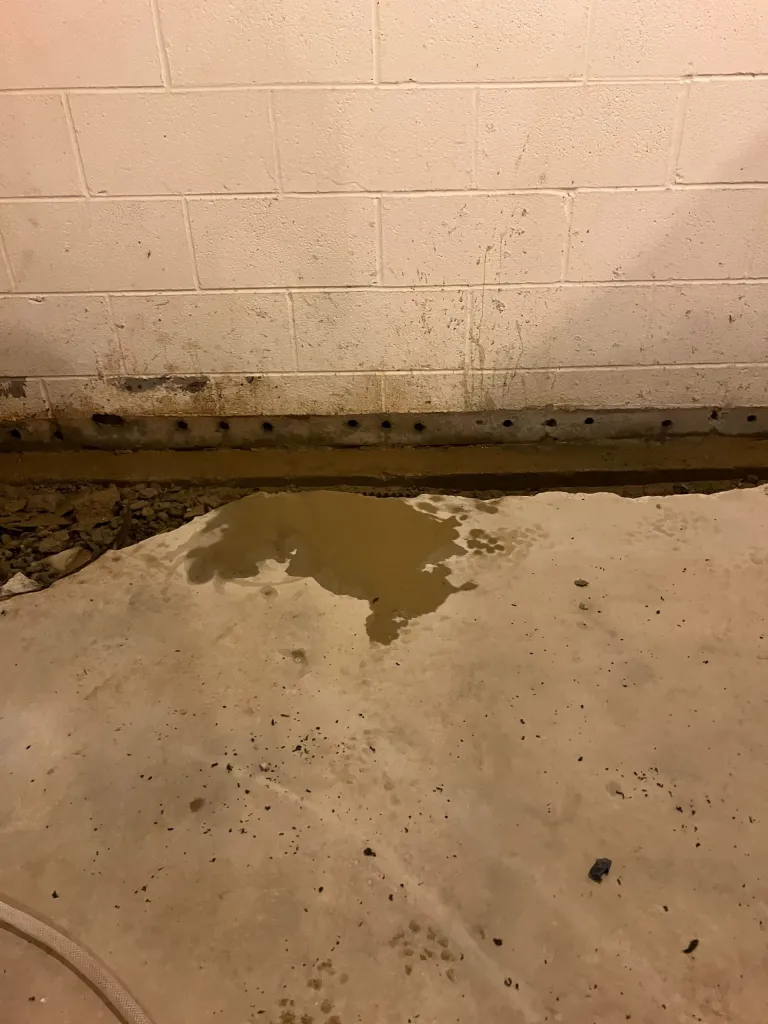
This pressure, known as hydrostatic pressure, pushes against basement walls and floors. Over time, the pressure can force water through:
-
cracks in the foundation
-
porous concrete walls
-
joints between the basement walls and floors
Because concrete is not completely waterproof, even small amounts of pressure can allow moisture to enter the basement.
Without a drainage system to control this water, moisture problems often continue to worsen over time.
What Is an Interior Drainage System?
An interior drainage system is a waterproofing solution installed along the perimeter of a basement floor to collect water as it enters the space.
Instead of allowing water to spread across the basement floor, the system captures it immediately and directs it toward a sump pump.
Interior drainage systems typically include:
-
drainage channels installed along basement walls
-
perforated drainage pipes
-
gravel layers that guide water flow
-
a sump pump basin that collects water
Once water reaches the sump pump basin, the pump automatically removes it from the home and discharges it safely away from the foundation.
How Interior Drainage Systems Work
Interior drainage systems operate by intercepting water at the point where it enters the basement.
When groundwater pressure pushes moisture through foundation walls or beneath the basement floor, the drainage system captures that water before it can spread across the basement.
The process typically works like this:
-
Water enters the basement through cracks or porous concrete.
-
The drainage channel collects the water along the perimeter.
-
Perforated pipes direct the water toward the sump pump basin.
-
The sump pump removes the water and discharges it outside the home.
By continuously collecting and removing groundwater, the system prevents water from accumulating inside the basement.
Why Interior Systems Are Often More Effective Than Exterior Solutions
Many homeowners assume that exterior waterproofing is the only way to stop basement water problems. While exterior solutions can be effective in certain cases, they often involve large excavation projects around the home.
Interior drainage systems provide several advantages:
-
minimal disruption to landscaping
-
faster installation times
-
lower overall cost in many situations
-
reliable long-term water management
Because interior systems control water once it reaches the foundation, they can be extremely effective at preventing basement flooding and moisture buildup.
For many homes, an interior drainage system combined with a sump pump provides reliable protection against groundwater intrusion.
The Role of Sump Pumps in Basement Drainage Systems
A sump pump is a critical component of most interior drainage systems.
The drainage system collects groundwater and directs it into a sump pump basin located in the basement floor. When the water level in the basin rises to a certain point, the sump pump activates automatically.
The pump then moves the collected water through a discharge pipe that carries it away from the home’s foundation.
Without a sump pump, the drainage system would collect water but have no way to remove it from the basement.
For this reason, sump pumps are essential for maintaining a dry basement environment.
Preventing Mold and Moisture Damage
Basement moisture does not only cause puddles or visible leaks. Even small amounts of moisture can lead to serious indoor air quality problems.
Damp basements create the perfect conditions for mold growth. Mold spores can spread through the home’s air circulation system and affect indoor air quality throughout the house.
Interior drainage systems help prevent these problems by removing water quickly before it has time to create damp conditions.
By controlling groundwater and reducing humidity levels, these systems help protect:
-
basement walls and flooring
-
stored belongings
-
structural components
-
indoor air quality
Keeping moisture levels under control is essential for maintaining a healthy home environment.
Why Professional Installation Matters
Installing an interior drainage system requires specialized knowledge of foundation structures, groundwater behavior, and drainage design.
Professional waterproofing contractors evaluate several factors before recommending a system, including:
-
soil conditions around the home
-
foundation construction
-
groundwater levels
-
existing cracks or structural concerns
Proper installation ensures that the drainage channels are positioned correctly and that water flows efficiently toward the sump pump basin.
A professionally installed system can provide long-term protection and significantly reduce the risk of recurring basement water problems.
Long-Term Protection for Your Home
Basement water problems rarely resolve themselves over time. In many cases, they gradually worsen as soil conditions change and foundation materials age.
Installing a properly designed drainage system helps protect the home from future water damage.
Interior drainage systems offer long-term benefits such as:
-
preventing basement flooding
-
protecting foundation walls
-
reducing mold risk
-
preserving property value
-
creating a usable basement space
For homeowners dealing with recurring moisture issues, professional waterproofing solutions can provide lasting peace of mind.
Conclusion
Basement water problems are often caused by groundwater pressure surrounding the foundation. Without a system to control this water, moisture can eventually find its way into the basement through cracks, joints, or porous concrete surfaces.
Interior drainage systems offer an effective way to manage groundwater by collecting water as it enters the basement and directing it safely to a sump pump for removal.
By relieving hydrostatic pressure and preventing water accumulation, these systems help protect the home’s foundation, prevent mold growth, and keep basements dry and usable.
For homeowners experiencing persistent moisture problems, professional basement waterproofing solutions can provide reliable long-term protection.
FAQs
What is an interior drainage system for a basement?
An interior drainage system is a waterproofing solution that collects water entering the basement and directs it to a sump pump for removal.
Do interior drainage systems stop basement leaks?
Yes. These systems manage groundwater and prevent water from spreading across the basement floor.
Are interior waterproofing systems better than exterior systems?
In many cases, interior systems are more practical because they require less excavation and effectively control groundwater pressure.
How long do basement drainage systems last?
When professionally installed and maintained, interior drainage systems can provide long-term protection for decades.