Skip to content
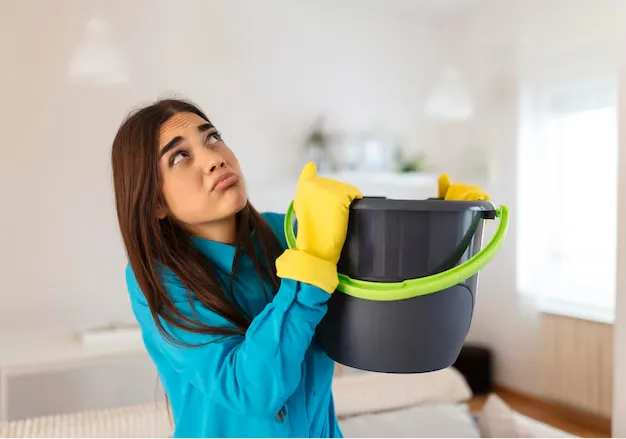

 A small basement leak can feel easy to ignore. A damp corner, a little water after heavy rain, or a musty smell may not seem urgent. Many homeowners wait and hope the problem goes away on its own. In most cases, it does not. Basement water issues often grow worse with time, and delays can lead to higher repair costs and more damage.
Knowing when a leak is serious enough to call a waterproofing company can help protect your home, your health, and your wallet.
Article Summary
- What Counts as a Basement Leak
- Why Small Leaks Often Get Worse
- Signs You Should Call a Waterproofing Company Now
- How Much Water Is “Too Much”
- Mold Risk Starts Earlier Than You Think
- Foundation Damage Can Begin Quietly
- Why DIY Fixes Often Fall Short
- When to Act and What to Do Next
- Water Problems Rarely Fix Themselves
1. What Counts as a Basement Leak
A basement leak does not always mean standing water on the floor. Many leaks start small and show up in subtle ways.
Common examples include:
- Damp walls or floors
- Water stains on concrete or drywall
- Dripping from wall cracks
- Moisture after heavy rain or snow melt
- A musty or earthy smell
If water is getting inside your basement at any level, it is considered a leak. Even light moisture means water is moving where it should not.
2. Why Small Leaks Often Get Worse
Basement leaks rarely stay the same. Water follows pressure, gravity, and soil movement. Over time, small entry points can widen.
Here is why waiting can make things worse:
- Soil around the foundation holds water longer
- Freeze and thaw cycles expand cracks
- Hydrostatic pressure increases with rain
- Moisture weakens concrete and mortar
A leak that shows up once a year can slowly turn into a regular problem. What starts as a damp note can become active water entry.
3. Signs You Should Call a Waterproofing Company Now
Some warning signs mean it is time to call a professional instead of waiting. Call a waterproofing company if you notice:
- Water entering more than once
- Pooled water or wet carpet
- Peeling paint or bubbling walls
- White chalky residue on basement walls
- Rust on appliances or metal items
- Strong musty odors
If you are unsure, reviewing common warning signs can help. This guide on signs your Milwaukee basement needs waterproofing explains what to look for before damage spreads.
4. How Much Water Is “Too Much”
Many homeowners ask how bad a leak needs to be before taking action. The answer is simple. Any water that enters your basement is too much.
Here is a clear way to think about it:
- A few drops still mean an opening exists
- Moisture means mold can grow
- Damp concrete means pressure is pushing inward
You do not need inches of water to justify calling for help. One wet spot after rain is enough to start the conversation.
5. Mold Risk Starts Earlier Than You Think
Mold does not need flooding to grow. It needs moisture, warmth, and time. Basements often provide all three.
Even light leaks can lead to:
- Hidden mold behind walls
- Mold growth under flooring
- Poor indoor air quality
Mold can spread before you see it. That is why waterproofing plays a key role in protecting your home from mold. Our guide on how waterproofing protects Milwaukee homes from mold explains how moisture control helps stop growth early.
6. Foundation Damage Can Begin Quietly
Water pressure against your foundation can cause long-term damage. Cracks, shifting, and wall movement often start small.
Early signs of foundation stress include:
- Hairline wall cracks
- Stair-step cracks in block walls
- Bowing or leaning walls
- Floor cracks near walls
When leaks continue, water can wash away soil under the foundation. This weakens support and raises repair costs. Acting early helps prevent structural issues.
7. Why DIY Fixes Often Fall Short
Temporary fixes may hide the problem but rarely stop it. Paint-on sealers, patch kits, and surface caulk only treat what you can see.
Common DIY limits include:
- Not addressing outside water pressure
- Missing hidden entry points
- Short lifespan of surface products
Professional waterproofing focuses on controlling water before it enters. That includes drainage systems, proper sealing, and long-term solutions.
Waiting too long can also affect home value. If you plan to sell in the future, water issues matter. This guide explains whether basement waterproofing increases home value and why buyers care.
8. When to Act and What to Do Next
If your basement has leaked more than once, smells damp, or shows signs of moisture, it is time to act. Calling a Milwaukee waterproofing company early can save money and reduce stress.
A professional inspection can:
- Find the true source of the leak
- Explain repair options clearly
- Prevent mold and foundation damage
- Give peace of mind
You do not need to wait for a flood to take action. Addressing leaks early keeps your basement dry, safe, and usable year-round.
9. Water Problems Rarely Fix Themselves
One of the biggest reasons homeowners delay calling a waterproofing company is hope. It is easy to believe a leak was a one-time issue caused by heavy rain or melting snow. In reality, water usually follows the same path each time conditions repeat. If moisture has entered once, it is likely to return.
Each cycle allows more water to reach the foundation and surrounding materials. Over time, this increases damage and repair costs. Addressing the issue early helps stop repeat leaks and gives you a clearer understanding of what is happening below your home.
10. Not Sure What You’re Seeing? Zablocki Waterproofing Can Help
If you are dealing with basement moisture or recurring leaks, working with a trusted Milwaukee basement waterproofing company matters. Zablocki Waterproofing has helped homeowners across Milwaukee stop water at the source with proven basement waterproofing solutions.
From small leaks to ongoing water problems, our team focuses on long-term protection, clear communication, and doing the job right the first time. Scheduling an inspection early can help prevent mold, foundation damage, and costly repairs down the road. Don’t wait and reach out to us at Zablocki Waterproofing.