
Tanner Nichols, senior project manager with Adolfson & Peterson Construction, spoke with The Construction Specifier about the current wave of office-to-multi-family project conversions across the U.S.
Why are more cities looking to convert office buildings into residential units, and what does that mean for urban living?
Many large cities continue to have high vacancy rates in the mid- and high-rise buildings within their urban cores. Many cities don’t want to lose their downtown and uptown urban lifestyles, especially as suburban sprawl continues in many areas. This offers a great opportunity to create more urban living options through conversions. Adding multi-family helps create a better downtown ecosystem with living, retail, dining and office spaces. Together, this helps breathe new life into downtown areas.
How do office-to-residential projects help address housing shortages in major cities?
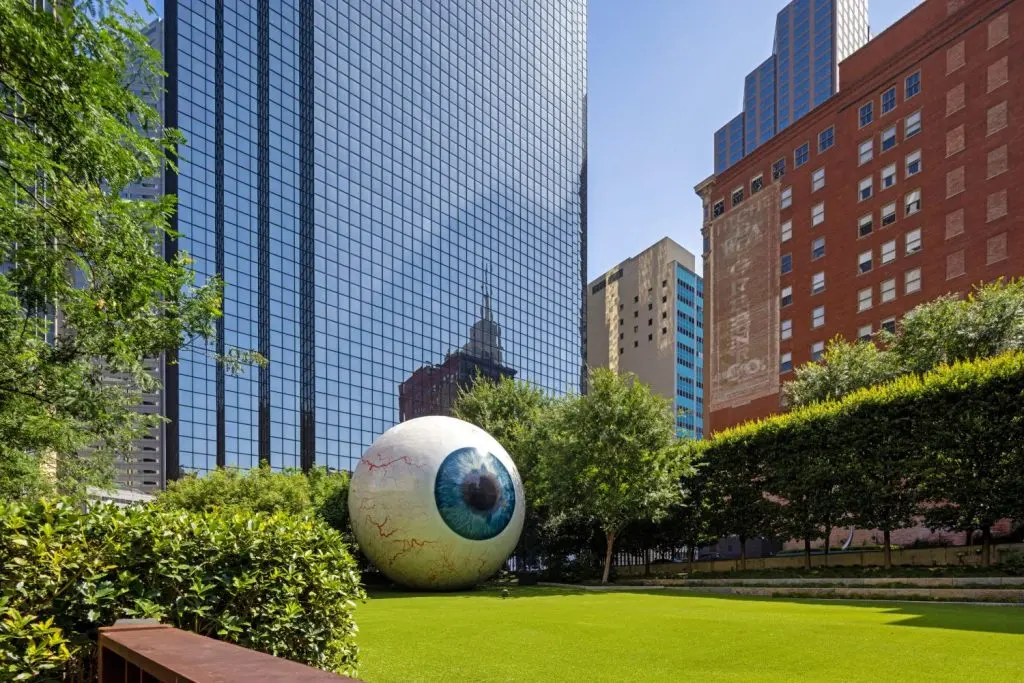
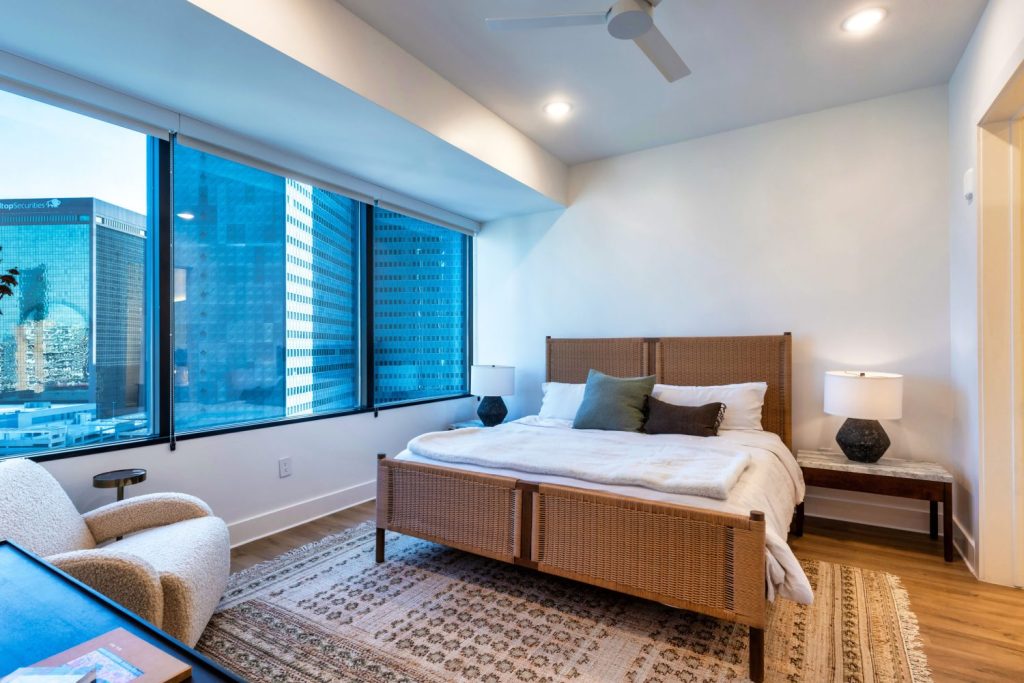
Multi-family conversions create fantastic housing options and expand the available housing in downtown areas. At Adolfson & Peterson Construction (AP), we recently completed Phase I of a multi-family conversion at downtown Dallas’ Santander Tower, which converted 291 units across 14 floors of former office space. The first phase is more than 90 percent leased, showing the popularity of this type of urban living.
What are the key structural and mechanical challenges when converting older office towers into modern multi-family residential units?
The structure of most low-, mid-, or high-rise buildings should be sound for the majority of conversion projects, so this shouldn’t cause any issues. A building’s MEP systems are often the tricky part. When starting these projects, one of the first questions must be whether the building has the capacity to serve the multi-family electrical needs. If not, changing this system could lead to significant cost increases. Another question on the mechanical side is whether the current HVAC system the building operates on can be served on a per-unit basis. For plumbing, we must assess whether the sanitary systems can be routed through an existing building or area to be properly serviced. When many of these buildings were built, it was assumed that a company would lease the entire floor. With multi-family conversions, that one floor might hold 20 different apartment units that need their own systems, and we have to determine if that is possible. These are the biggest MEP items to focus on, and if major hurdles exist in this area, it can significantly increase costs. The MEP systems are the key to making a building a good fit for a conversion.
How do zoning, building codes, and parking requirements impact the feasibility of office-to-residential conversions in urban cores?
In my experience, zoning hasn’t been much of an issue. Parking is looking at the current infrastructure and seeing what you can make work. Often, there are various parking options available in the downtown area. Building codes are a totally different story. Office buildings have a different code compliance than multi-family, so once you transfer the percentage of building use to multi-family, you have to be code-compliant in a multi-family setting, even though the building was developed for office. This is something to look out for.
What strategies are developers using to make high-rise conversions attractive to residents?
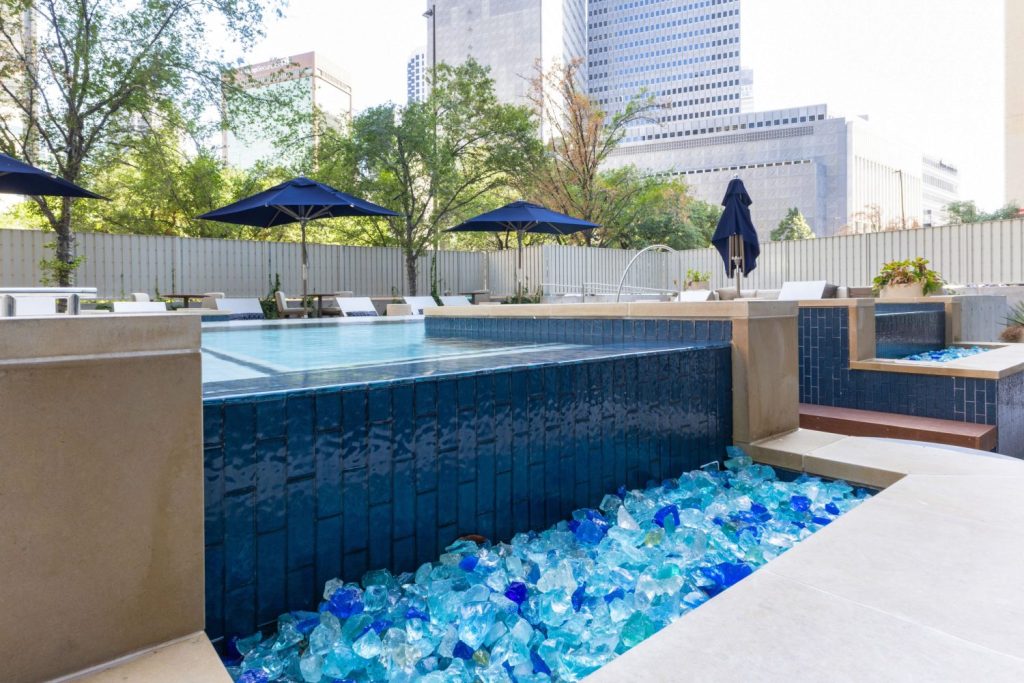
What an owner/developer wants to do with a high-rise conversion is to create an ecosystem that makes the building feel fully functional. For example, with the Santander project, the building already had offices, restaurants, and a boutique hotel, and then multi-family was added, with living units and amenities including a pool, pickleball courts, and a library. When someone moves into this building, they don’t have to leave for entertainment or even work, as it is in one structure. This is one of the key strategies we have seen developers use.
Are there lessons from recent office-to-residential projects that could guide future conversions in other U.S. cities?
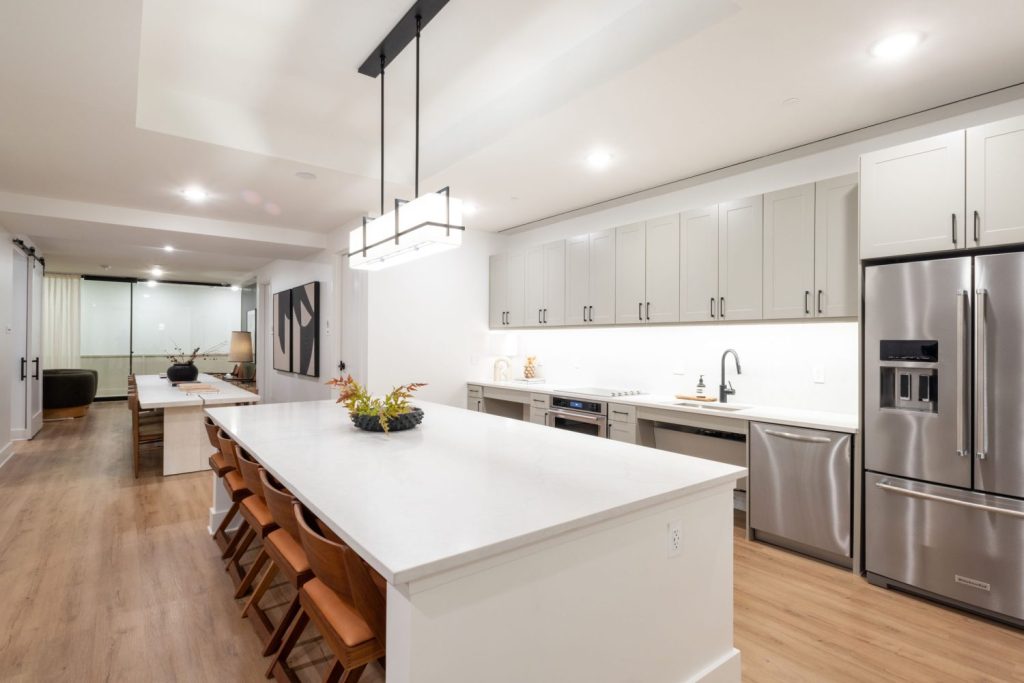
A great place to start is looking at what that city is doing with its downtown areas. Here in Dallas, the city has been working to make downtown a more desirable option for both office and residential spaces. This is a major goal for the city leaders. This can be a driving force behind many downtown office conversions, as it helps improve occupancy rates. For the Santander Phase I project, the units are well occupied, in the 90 percent range, and this is why we recently began constructing Phase II, which will add 105 one- and two-room units across five more floors. This means more people are living and spending more time downtown, which can help bring additional retailers, restaurants and other businesses.