
Foundation issues can often start small, but if left unaddressed, they can escalate into significant structural problems. Understanding how minor foundation shifts can lead to major basement repairs is crucial for homeowners. This article will explore the early signs of foundation settling, the causes of foundation movement, and how effective basement waterproofing solutions can help mitigate these issues and prevent costly repairs. By recognizing these issues early, homeowners can take proactive steps to protect their properties and maintain their structural integrity. We will also discuss when to consult experts for foundation crack repair and outline the stepwise process involved.
What Are the Early Signs of Foundation Settling?
Identifying the early signs of foundation settling is essential for preventing more severe damage. Homeowners should be vigilant for specific indicators that suggest foundation issues may be developing. Common signs include widening cracks in walls and foundations, bowed or leaning walls, and uneven or sloping floors. These symptoms can signal that the foundation is shifting, which may lead to more significant structural problems if not addressed promptly.
How to Detect Foundation Cracks and Wall Bowing Early
To effectively detect foundation cracks and wall bowing early, homeowners can employ several methods. Regular visual inspections of both interior and exterior walls can help identify any noticeable cracks or bulges. Additionally, monitoring cracks over time with a simple measuring tool can provide insight into whether they are expanding. Signs of structural movement, such as doors and windows that stick, do not close properly, or gaps around frames, can also indicate underlying foundation issues.
Understanding the various causes of these cracks and how to prevent them is crucial for maintaining a building’s stability and appearance.
Foundation Crack Prevention & Repair: Causes and Methods
Cracks in building are a common occurrence. It affects the stability and appearance of buildings. So, it is important to understand the cause of cracks and the effective measures should be taken for prevention. Though cracks in concrete cannot be prevented entirely but they can be prevented by using proper material and technique of construction and considering criteria. Sometimes water penetrates through cracks in building and cause severe damage to building. There are many reason of occurrence of cracks like moisture, thermal movement, elastic deformation, chemical reaction, foundation movement, vegetation and earthquake. We all dream of a house structurally safe and aesthetically beautiful but it is not so easy. So, timely identification of such cracks and adopting preventive measures is essential. In this paper, we will discuss about the methodology for prevention and repair of cracks in building.
Methodology for prevention and repair of cracks in building, 2018
What Causes Foundation Movement Leading to Structural Damage?
Foundation movement can occur due to various factors, and understanding these causes is vital for prevention. Water damage is a primary contributor, as excessive moisture can weaken the soil supporting the foundation. Additionally, soil type (such as expansive clay soils), poor drainage, improper grading around the home, and changes in temperature can all lead to foundation movement. Recognizing these causes can help homeowners take preventive measures to protect their foundations.
How Small Shifts Progress to Basement Structural Damage
Small shifts in the foundation can lead to significant structural damage over time. As the foundation settles unevenly, it can cause the walls to weaken, leading to cracks and bowing. Soil instability, often exacerbated by hydrostatic pressure from water accumulation, can further compromise the foundation’s integrity. Understanding this progression emphasizes the importance of early detection and intervention to prevent costly repairs.
Indeed, the foundation serves as the critical link between a structure and the soil, making its integrity paramount to the entire building’s stability.
Foundation Failure: Impact on Building Stability & Collapse Risk
The foundations are among of the structural elements of the buildings most affected by this damage, these constitute the link between the structure and the soil, they allow the transmission of loads from the structure to the soil. If these structural elements are damaged, they affect the general stability of the building. Depending on the severity of the damage, it can cause the building collapse.
A case study of foundation failure of a residential building: From diagnosis to reparation, A Merah, 2021
How Can Basement Waterproofing Solutions Prevent Major Repairs?
Implementing effective basement waterproofing solutions can significantly reduce the risk of major repairs. Early intervention through waterproofing can prevent water intrusion that leads to mold and mildew growth, which can damage both the structure and the health of the occupants. Additionally, these solutions help protect the structural integrity of the home by managing water intrusion and relieving hydrostatic pressure that can cause foundation damage.
What Waterproofing Services Address Foundation Settling Symptoms?
Several waterproofing services can effectively address symptoms related to water intrusion and foundation settling. These include:
- Interior Drainage Systems: These systems collect and redirect water away from the foundation’s interior, preventing moisture buildup inside the basement.
- Sump Pump Installation: A sump pump can remove excess water from the basement, reducing the risk of flooding and water damage.
- Wall Sealing Techniques: Sealing foundation walls, both inside and outside, can prevent water from penetrating and causing damage.
By utilizing these services alongside foundation repair methods when necessary, homeowners can safeguard their basements and foundations from potential issues.
These foundation drainage systems are a key component in mitigating the risk of basement flooding and protecting the home’s structural integrity.
Basement Flood Mitigation: Foundation Drainage Systems
Flood management mitigation techniques that are implemented at the building- and lot-scale (or private-side) can reduce the risk of basement flooding for a particular home. These measures include backwater valves to reduce the risk of sewer surcharge into basements, low impact development strategies to reduce runoff entering municipal sewer systems, and foundation drainage systems to reduce the risk of infiltration flooding. To ensure the suitability and successful implementation of private-side flood mitigation approaches in a wide range of complex site-specific conditions, there is need for research into the performance of these measures. This research focuses on foundation drainage systems and the influence of complex inter-related factors that affect the performance of these systems under various conditions.
Reducing the risk of basement flooding through building-and lot-scale flood mitigation approaches: performance of foundation drainage systems, B Kaur, 2021
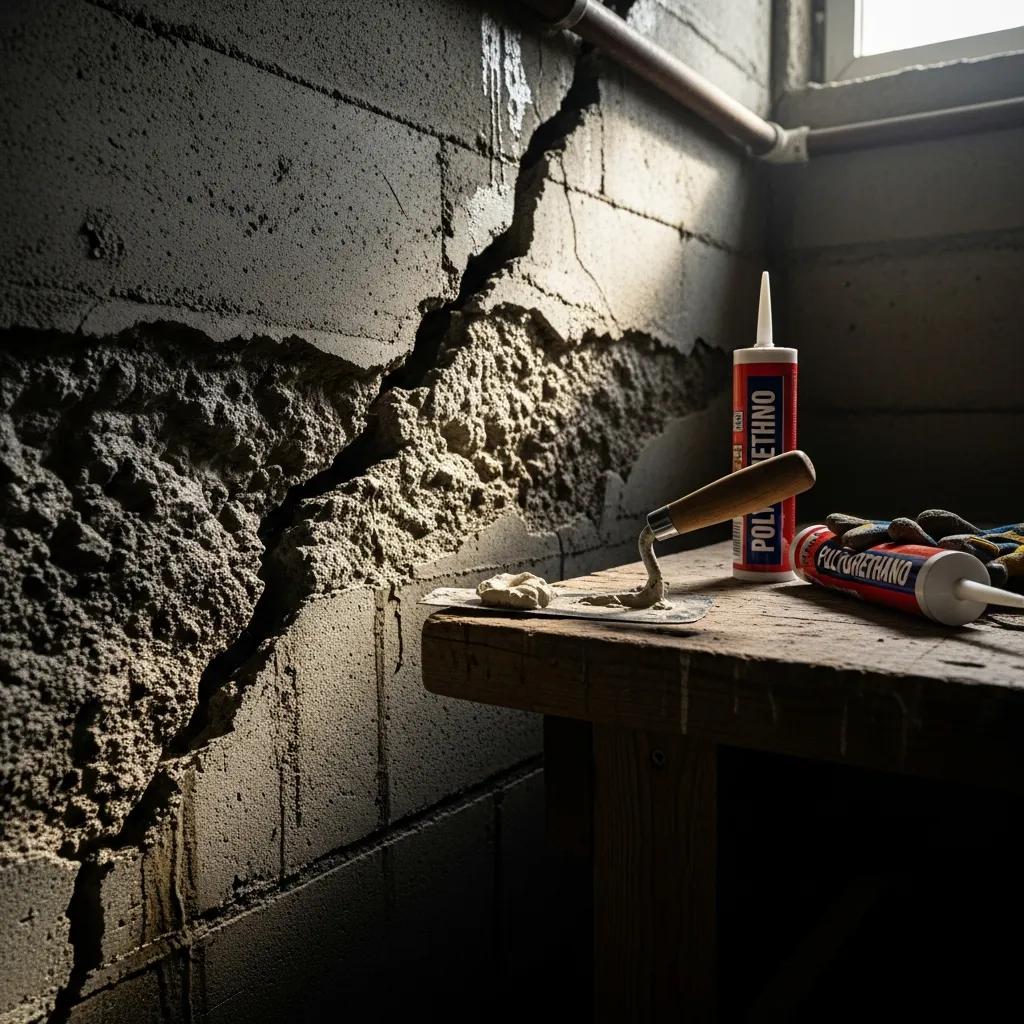
When Should You Consult Experts for Foundation Crack Repair?
Recognizing when to consult experts for foundation crack repair is crucial for maintaining a safe home environment. Visible cracks wider than about 1/4 inch, bowed or leaning walls, uneven floors, moisture issues, or foundation movement symptoms are clear indicators that professional help is needed. Addressing these problems early can prevent further damage and costly repairs down the line.
What Is the Stepwise Repair and Consultation Process?
The stepwise repair and consultation process typically involves several key stages:
- Inspection: A professional will assess the property for signs of foundation issues.
- Diagnosis: Based on the inspection, the expert will diagnose the specific problems affecting the foundation.
- Personalized Estimate: Homeowners will receive a detailed estimate outlining the necessary repairs and associated costs.
This structured approach ensures that homeowners receive the best possible care for their foundation issues, ultimately protecting their investment.







