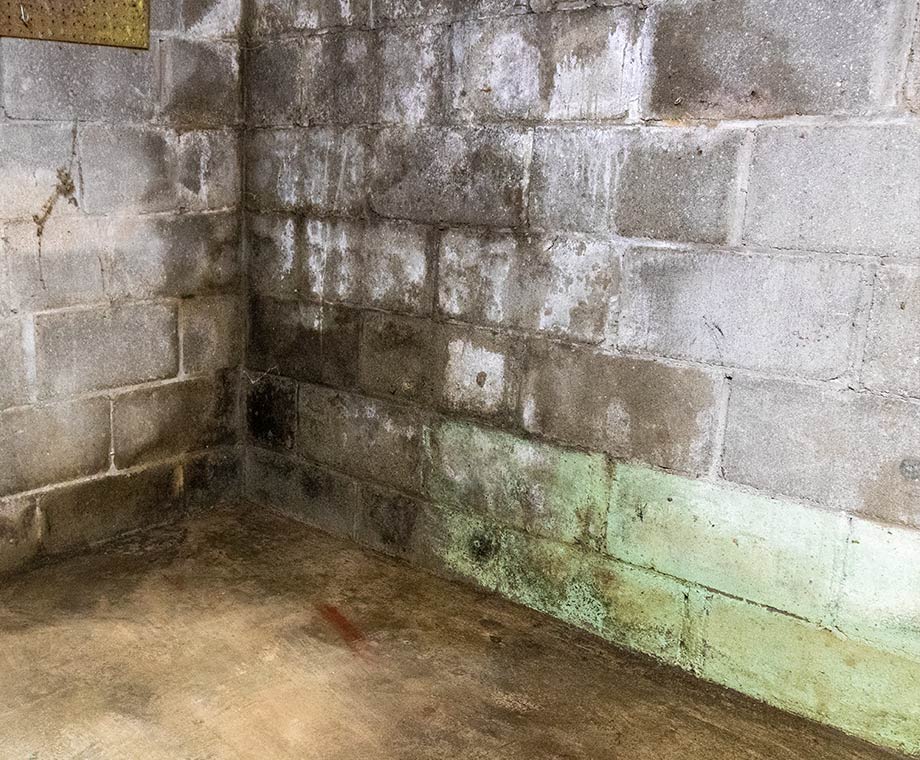
Cracks in basement corners can be a source of concern for homeowners, often leading to questions about their significance. Understanding whether these cracks are merely cosmetic flaws or indicative of structural issues is crucial for maintaining the integrity of a home. This article will explore the causes of cracks in basement corners, how to identify their severity, and the appropriate waterproofing solutions to address them. By the end, readers will gain insights into when to consult a structural engineer and how to ensure their basements remain safe and dry.
What Causes Cracks in Basement Corners?
Cracks in basement corners can arise from various factors, often linked to the foundation’s stability and the surrounding environment. Understanding these causes is essential for determining the appropriate response. Common contributors include soil movement, hydrostatic pressure, and poor construction practices. Each of these factors can lead to different types of cracks, which may require distinct approaches for repair and prevention.
Which factors lead to foundation cracks in basement corners?
Several factors contribute to the formation of foundation cracks in basement corners. Soil settlement occurs when the ground beneath a foundation shifts, often due to changes in moisture levels or the weight of the structure itself. Additionally, thermal movement can cause materials to expand and contract, leading to stress on the foundation walls. These factors can create horizontal, vertical, or diagonal cracks, each indicating different levels of concern.
How do soil shifts and moisture affect basement crack formation?
Soil shifts and moisture levels play a significant role in the development of basement cracks. Hydrostatic pressure builds up when water accumulates around the foundation, exerting force on the walls. This pressure can lead to cracks as the foundation struggles to withstand the weight of the saturated soil. Furthermore, soil expansion during wet conditions and contraction during dry spells can exacerbate these issues, resulting in more pronounced cracks over time.
Indeed, the pervasive issue of leaking basements, often driven by hydrostatic pressure and inadequate wall support, highlights the critical need for effective mitigation strategies.
Leaking Basement Causes, Hydrostatic Pressure, & Wall Strengthening
One need only consult the local Yellow Pages under ‘Waterproofing Contractors’ to appreciate the scale of the leaking basement epidemic in the United States. This paper draws from a detailed case history to look at its causes, financial ramifications, and ideas on mitigation. It concludes that most often the failures are systemic involving multiple factors, but that very significant among these is the role of the downspout drain, its frequent deterioration over time and consequent loss of functionality. This is compounded by poor design decisions that have resulted in walls unable to support the lateral loads that are created when hydrostatic pressures develop. Solutions range from proactive maintenance to strengthening of walls. However, there must first be more public awareness of the causes and liabilities involved, and this may best be accomplished through more focused attention when property transfers occur.
The Leaking Basement Epidemic–Causes, Cures and Consequences
How to Identify Structural vs Cosmetic Basement Corner Cracks?
Distinguishing between structural and cosmetic cracks is vital for homeowners. Structural cracks often indicate serious issues that could compromise the safety of the home, while cosmetic cracks may be less concerning. Understanding the signs of foundation damage and assessing crack severity can help homeowners make informed decisions about repairs.
What are the signs of foundation damage in basement cracks?
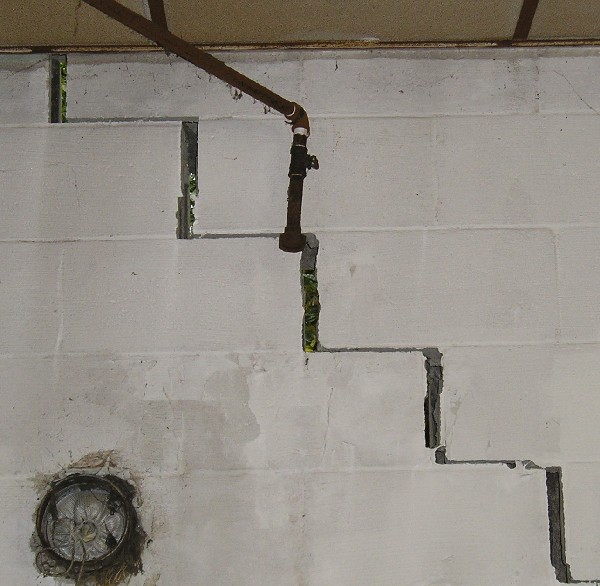
Signs of foundation damage in basement cracks include widening cracks, which may indicate ongoing movement, and bowing walls that suggest significant structural stress. Homeowners should also look for cracks that appear suddenly or those that change in size over time. Other signs include sticking doors or windows, uneven floors, or gaps between walls and ceilings. These indicators can signal the need for professional evaluation to determine the underlying causes and necessary repairs.
How to assess crack severity and patterns for structural concerns?
Assessing crack severity involves examining the size, shape, and location of the cracks. Visual inspections can reveal whether cracks are horizontal, vertical, or diagonal, each type suggesting different issues. Measurement tools can help quantify the width and length of cracks, providing essential data for professionals. Homeowners should document these observations to share with structural engineers during consultations.
 What Basement Waterproofing Solutions Address Foundation Cracks?
Addressing foundation cracks effectively often requires implementing waterproofing solutions. These methods can prevent water intrusion and mitigate further damage to the foundation. Various techniques are available, each with its advantages and suitability depending on the specific situation.
Which waterproofing methods prevent water intrusion through cracks?
Several waterproofing methods can effectively prevent water intrusion through cracks. Crack injection is a popular technique that involves filling cracks with epoxy or polyurethane to create a watertight seal. Additionally, exterior waterproofing involves excavating around the foundation and applying a waterproof membrane or coating to the outside of the foundation walls, preventing water from penetrating the structure. Interior drainage systems, such as French drains or sump pumps, can also be installed to redirect water away from the foundation, reducing hydrostatic pressure.
How does epoxy injection and membrane application repair cracks?
Epoxy injection and membrane application are two effective methods for repairing cracks. Epoxy injection involves injecting a specialized resin into the crack, which hardens and bonds the surrounding material, effectively sealing the crack and restoring structural integrity. Polyurethane foam can also be injected for flexible waterproofing where slight movement is expected. Membrane application, on the other hand, involves applying a waterproof barrier to the exterior of the foundation, preventing water from entering through cracks. Both methods provide long-lasting solutions to foundation issues.
AquaGuard Waterproofing specializes in basement waterproofing services with a focus on preventing and repairing water intrusion and structural damage related to foundation cracks. Their expertise ensures that homeowners can address these issues effectively and maintain the integrity of their homes.
When Should You Consult a Structural Engineer for Basement Cracks?
Consulting a structural engineer is crucial when significant cracks are present or when there are signs of foundation damage. Professional assessments can provide clarity on the severity of the issues and the best course of action for repairs. Understanding when to seek expert advice can save homeowners from costly repairs down the line.
What are the warning signs that require professional structural crack assessment?
Warning signs that necessitate a professional structural crack assessment include widening structural cracks, which may indicate ongoing movement, and sticking doors or windows that suggest shifting foundations. Homeowners should also be alert to any visible bowing in walls or floors, cracks wider than 1/4 inch (6 mm), uneven or sloping floors, and water intrusion through cracks, as these can signal serious structural concerns that require immediate attention.
How does expert consultation improve foundation crack repair outcomes?
Expert consultation can significantly improve foundation crack repair outcomes by providing homeowners with tailored solutions based on a thorough assessment of their specific situation. Structural engineers bring expertise and experience that can identify underlying issues that may not be immediately apparent. This professional insight ensures that repairs are effective and that the foundation remains stable over time.
To ensure you’re choosing the right service, it’s important to consider several factors to consider.