Basement waterproofing is essential for Cleveland homeowners. Heavy rainfall and shifting groundwater increase the risk of water intrusion, which can cause mold, structural damage, and reduced property value. This guide explains proven waterproofing techniques, how they work, and their benefits. It also covers foundation repair, sump pump selection and maintenance, and crawl space waterproofing to help protect your home.
Water intrusion can compromise a home’s structural integrity and indoor environment, so robust waterproofing measures are necessary.
Effective Waterproofing: Preventing Mold & Structural Damage
Water leakage is a major cause of building defects. It leads to dampness, metal corrosion, fungal growth and can degrade concrete’s structural properties and appearance. Water intrusion also creates unhealthy indoor conditions. According to A. N. Ghadge, preventing water leakage could eliminate almost 80% of common building defects. Selecting the appropriate waterproofing method is therefore vital to structural safety.
Comparative study of conventional and modern waterproofing techniques, AN Ghadge, 2016
What Are the Most Reliable Basement Waterproofing Methods in Cleveland?
Cleveland homeowners can choose several proven basement waterproofing methods. Common options include interior drainage systems, exterior waterproofing membranes, and sump pumps. Each approach has distinct mechanisms and benefits for reducing water damage.
| Waterproofing Method | Mechanism | Benefit |
|---|---|---|
| Interior Drainage Systems | Collects water and directs it to a sump pump | Prevents water accumulation in the basement |
| Exterior Waterproofing | Creates a barrier against moisture | Protects the foundation and improves property value |
| Sump Pumps | Pumps out water that enters the basement | Reduces the risk of flooding and water damage |
Applying these measures will strengthen basement waterproofing and help keep the space dry and safe.
How Do Interior Drainage Systems Prevent Basement Water Intrusion?
Interior drainage systems collect water that seeps into the basement and route it to a sump pump. They typically use perimeter pipes and drains installed beneath the floor slab. Water enters the system, flows to the sump basin, and is expelled by the pump, which lowers hydrostatic pressure on the walls and prevents water from entering living areas, protecting the home and belongings.
What Are the Benefits of Exterior Waterproofing Solutions?
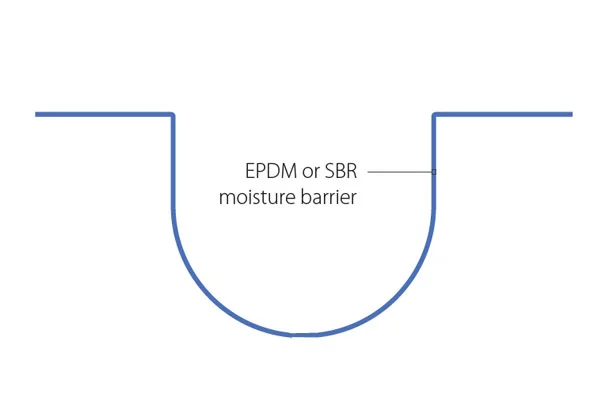
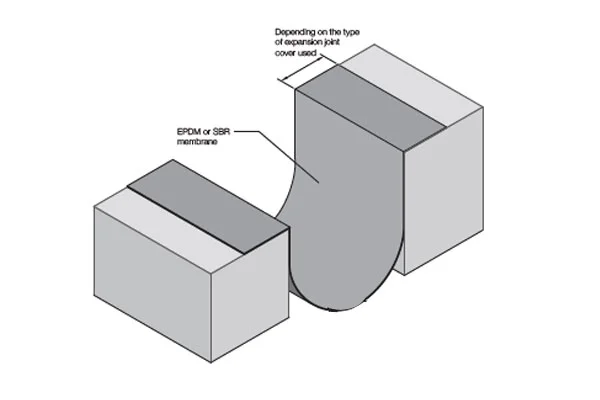
Exterior waterproofing creates a continuous barrier around the foundation by applying a waterproof membrane to the outside walls. This prevents water from penetrating the structure. The benefits include increased foundation durability, better indoor air quality, and preserved property value. Investing in exterior waterproofing delivers long-term protection against water damage and mold.
How Can Foundation Repair Enhance Basement Waterproofing in Cleveland?
Foundation repair strengthens the structure and reduces openings that allow water entry. A stable foundation lowers the likelihood of cracks and gaps, improving the overall effectiveness of waterproofing systems.
What Are Common Foundation Crack Repair Techniques?
Common repair techniques include crack injection, carbon-fiber reinforcement, and underpinning. Crack injection fills fissures with epoxy or polyurethane to restore structural integrity. Carbon-fiber reinforcement adds tensile strength to weakened areas. Underpinning extends the foundation to deeper, stable soil to provide added support. These methods repair existing damage and reduce the risk of future water intrusion.
How Does Foundation Repair Prevent Further Water Damage?
Foundation repair prevents further water damage by stabilizing the structure and reducing hydrostatic pressure against walls. Addressing cracks and related issues limits paths for water entry. Correcting drainage and managing soil moisture also improves the performance of waterproofing systems. Overall, foundation repair is a proactive step to protect your home from water-related problems.
Why Is Sump Pump Installation Essential for Cleveland Basements?
Sump pump installation is a key component of basement waterproofing in Cleveland, where heavy rain can cause flooding. A sump pump removes water collected in a sump basin, preventing it from entering the basement.
How to Choose the Right Sump Pump for Your Home?
Choose a sump pump based on type, capacity, and construction quality. Submersible pumps sit in the basin and are less visible; pedestal pumps mount above it. Select a capacity that can handle expected runoff during heavy storms. Durable materials and reliable construction improve longevity and performance.
What Are Best Practices for Sump Pump Maintenance?
Regular maintenance ensures reliable sump pump operation. Inspect the unit, clean the sump basin, and test the pump periodically. Check the discharge line for clogs and verify the pump has a dependable power source or backup power. These steps reduce failure risk and maintain flood protection.
How Does Crawl Space Waterproofing Contribute to Overall Basement Protection?
Crawl space waterproofing prevents moisture intrusion and supports better indoor air quality. A well-sealed crawl space lowers humidity, which reduces the risk of mold growth and protects structural components from moisture-related damage.
What Are Effective Crawl Space Moisture Control Methods?
Effective methods include encapsulation with a vapor barrier, installing a crawl-space sump pump, and using a dehumidifier. Combined, these measures control groundwater and humidity to create a dry, healthy environment beneath the home.
How Does Crawl Space Encapsulation Prevent Mold and Structural Damage?
Encapsulation seals the crawl space with a vapor barrier to block moisture. Lower humidity limits mold growth and protects structural components from moisture-related deterioration, helping preserve the building’s integrity and lifespan. This proactive moisture control supports a safer, healthier home.