 When storms roll through Milwaukee, a sump pump can be the difference between a dry basement and a disaster. But during heavy rain or flooding, even the best sump pump can fail—often at the worst possible time. That’s where a backup sump pump comes in. It’s not just a nice extra; it’s an important layer of protection for your home.
In this article, we’ll explain why having a backup sump pump is so important, how it works, and what options are best for protecting your basement when the weather turns dangerous.
Article Summary
- How a Sump Pump Protects Your Home
- Why Sump Pumps Fail During Storms
- What a Backup Sump Pump Does
- Battery Backup Sump Pumps
- Water-Powered Backup Sump Pumps
- Why a Backup Pump Matters During Heavy Rain
- How to Maintain Your Backup System
- Zablocki Waterproofing Can Help Keep You Dry
1. How a Sump Pump Protects Your Home
A sump pump sits in a pit—called a sump basin—usually in the lowest part of your basement. When water builds up around your foundation, it flows into this basin. The sump pump then pushes the water away from your home through a discharge pipe.
This system is your first line of defense against basement flooding. Without it, water can rise quickly, soaking floors, ruining furniture, and damaging walls. In Milwaukee, where heavy rain and melting snow are common, a sump pump is almost as important as your furnace or water heater. To learn more about how sump pumps defend your home, see our article on How Sump Pumps Protect Your Basement.
2. Why Sump Pumps Fail During Storms
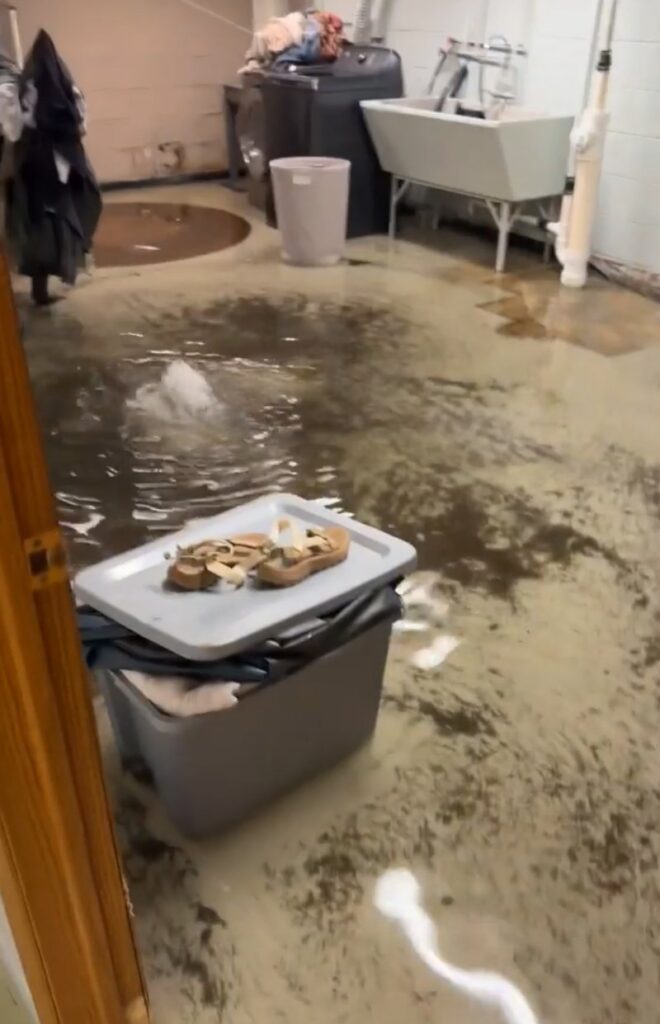
Unfortunately, sump pumps don’t work 100% of the time. And when they fail, it’s usually during a storm—right when you need them most. Common reasons include:
- Power outages during lightning or high winds
- Mechanical breakdowns from overuse
- Clogs in the pump or discharge line
- Float switch failure that prevents the pump from turning on
If your sump pump stops working for even an hour during heavy rain, water can quickly fill your basement. That’s why relying on just one pump is risky.
3. What a Backup Sump Pump Does
A backup sump pump is a second pump designed to take over if your primary pump stops working. It kicks in automatically when the main pump fails, keeping water moving out of your basement.
Think of it like having a spare tire in your car. You might not need it every day, but when you do, it’s a lifesaver. The same goes for a backup pump—it keeps your home safe when the unexpected happens.
4. Battery Backup Sump Pumps
One of the most common types is the battery backup sump pump. This system has its own pump and is powered by a large rechargeable battery. When the power goes out—or if your main pump fails—the battery backup turns on automatically.
Battery backups can run for hours or even days, depending on the size of the battery and how much water is coming in. They’re ideal for Milwaukee storms that cause both heavy rain and widespread power outages.
5. Water-Powered Backup Sump Pumps
Another option is the water-powered backup sump pump. These pumps use your home’s water pressure to create suction that removes water from the sump pit. Since they don’t rely on electricity or batteries, they can run indefinitely—as long as you have municipal water service.
Water-powered systems are a great low-maintenance choice, but they typically pump water more slowly than battery systems. They also won’t work if your home uses well water.
6. Why a Backup Pump Matters During Heavy Rain
During heavy rain and floods, your sump pump works harder than usual. In a major storm, it may run non-stop for hours or days. That constant use increases the chance of mechanical failure—especially if your pump is older or not regularly serviced.
But failure isn’t the only problem. Sometimes, the water is coming in faster than the pump can physically remove it. Every pump has a rated capacity, and if the inflow during a storm exceeds that, the water level in your sump pit will rise even though the pump is running at full speed. This “can’t keep up” situation is common during record-breaking rainfall events, like Milwaukee experienced in August 2025, when sump pits were filling faster than single pumps could handle.
At the same time, storms often cause power outages. Without electricity, a standard sump pump is useless. That’s why a backup system—whether battery-powered, water-powered, or even a second primary pump—is critical. It ensures your basement stays protected if your main pump fails, loses power, or simply can’t match the water volume rushing in.
Imagine it’s the middle of the night, the rain is pounding, and the power goes off—or the water starts rising faster than your pump can clear it. Without a backup, you could wake up to inches (or feet) of water in your basement. With a backup pump, you can rest easier knowing you have another line of defense.
7. How to Maintain Your Backup System
A backup sump pump won’t help if it’s not working when you need it. Regular maintenance is key:
- Test it every few months by pouring water into the sump pit and making sure the backup turns on.
- Keep the battery charged for battery backups. Most systems include a charger, but check periodically to be sure it’s working.
- Inspect for clogs in the discharge line and clear debris from the pit.
- Replace old batteries every 3–5 years, even if they seem fine.
You can find more step-by-step maintenance tips in our guide on 6 Tips to Maintain Your Sump Pump. Regular checks take just a few minutes but can save you thousands in water damage repairs.
8. Zablocki Waterproofing Can Help Keep You Dry
At Zablocki Waterproofing, we’ve seen too many Milwaukee basements ruined simply because a backup sump pump wasn’t in place. We know how quickly storms can overwhelm a home’s defenses, and we believe no homeowner should have to go through that stress.
Our team can inspect your current system, recommend the best backup for your home, and make sure everything is installed to handle even the toughest storms. If you want peace of mind before the next big rain, give us a call for trusted Milwaukee basement waterproofing. We’re local, we care about our neighbors, and we’re ready to help protect your home—rain or shine.